Monitor the garden for pests and diseases as you maintain it. Photo: Courtesy UC Regents Once the fruit trees, berries, herbs and vegetables are planted, the magic begins. Even seasoned gardeners marvel at how the seed becomes the plant that produces a vegetable that appears on a plate.
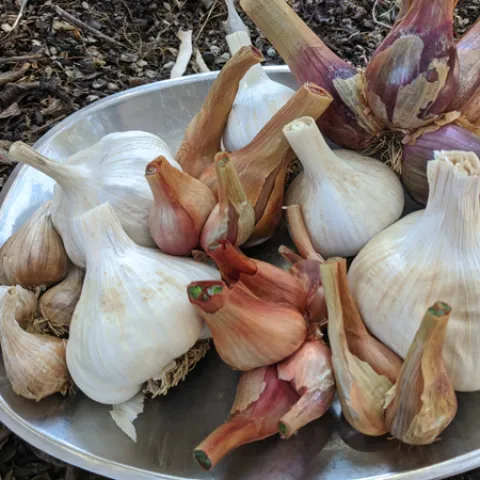
Fall Garden Fair garlic and shallots descriptions. Garlic and shallots grow beautifully over the winter in Santa Clara County. Plant garlic and long-season shallots in the fall for harvesting in June through July.
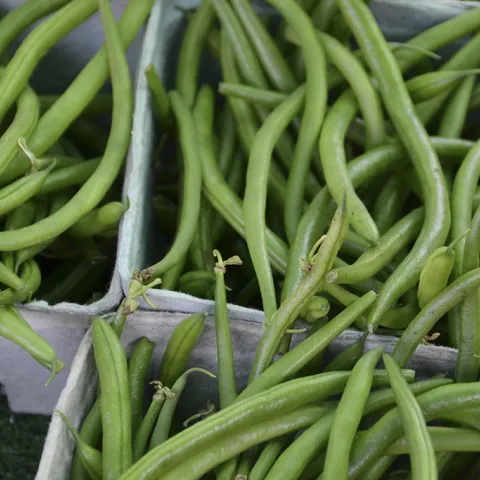
Beans are a warm weather crop that comes in bush and pole varieties. Bush varieties generally produce sooner but may stop after a few flushes, while pole varieties will continue producing into the fall. Pole beans require tall supports (6 to 10-feet) that they can twine around.
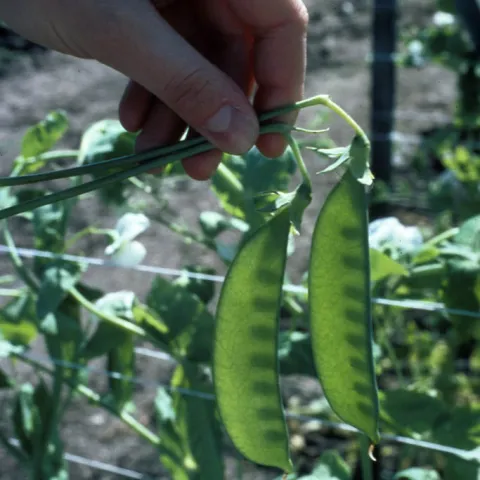
Peas are a cool season vegetable in Santa Clara County. There are three types of fresh peas:
Shelling peas, where the tough pod is removed before eating.
Snow peas, which have edible pods and are harvested flat, while the peas inside are small and immature.
Sugar snap peas, which have edible pods and are…
Prune grapes and roses. Cleanup: remove mummy fruit and blighted limbs on stone fruit to reduce brown rot. Remove and destroy fallen leaves to reduce peach leaf curl. Mulch cane berries, cut out all old canes and reset new canes in twine.
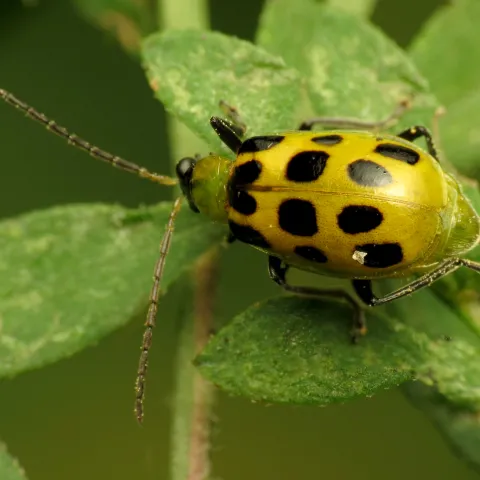
Edible gardens are certainly not immune to pests and diseases. Pests can take out tender young plant shoots in one night, eat holes in mature leaves and fruit, and leave slimy tracks all over.
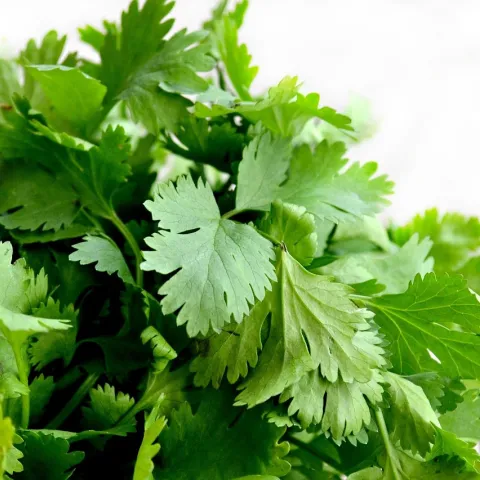
Fall Garden Fair herbs descriptions. There are many herbs that grow well or even grow best in the cool season in Santa Clara County. Fall is also a great time to plant perennial herbs because it lets them get well established over our rainy season. Listed below are the herb seedlings that we will be offering.
Eggplants require warm to hot weather throughout the season for good production. Hot caps or row covers can be used to elevate temperatures. Planting in a container will also help in absorbing heat.
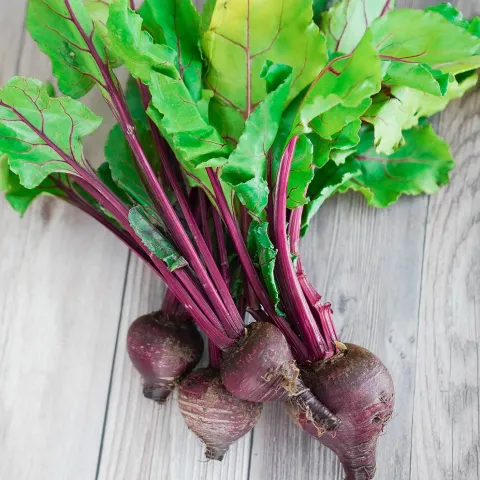
Beets are a root crop with edible leaves. They grow well in the cool season, so are best planted in the fall or spring. Direct seed 4 to 6 inches apart in March to April or August to September; possibly in February, May, and October depending on weather and local conditions. Transplant 4 to 6 inches apart in…