Pinch chrysanthemums back to 6 inches every month through July. Trim dead flowers but not leaves, from spring bulbs. Mulch cane berries, cut out all old canes and reset new canes in twine. Cultivate and pull weed seedling now to prevent bloom.
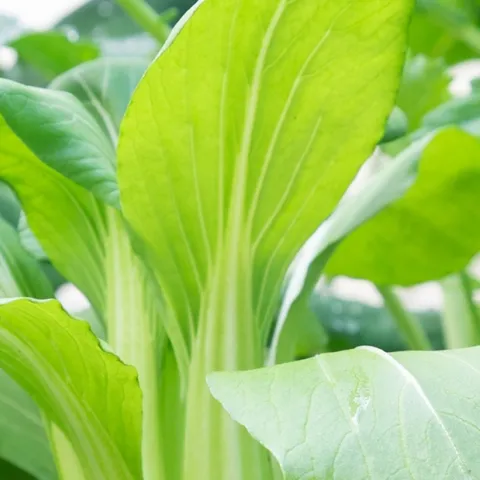
These leafy vegetables are easy to grow in cool weather, spring or fall, in Sonoma County. Plants in an array of colors enliven the garden in the off-season, often indicating spiciness and aroma in the kitchen. Asian greens are known by alternate plant names in different cultures.
Check out our information sheets on how to plant, grow, maintain and harvest common vegetables, fruits, herbs and nuts grown in Marin. We also list our favorite varieties that are best suited for local microclimates.
Start your seeds 6 to 8 weeks before you plan to transplant them into the garden. Peppers grow best when the soil is warmed and daytime temperatures are consistently over 75ºF, typically in late April or May in Santa Clara County. Temperatures below 50º to 55ºF cause flowers to abort or the fruits to be…
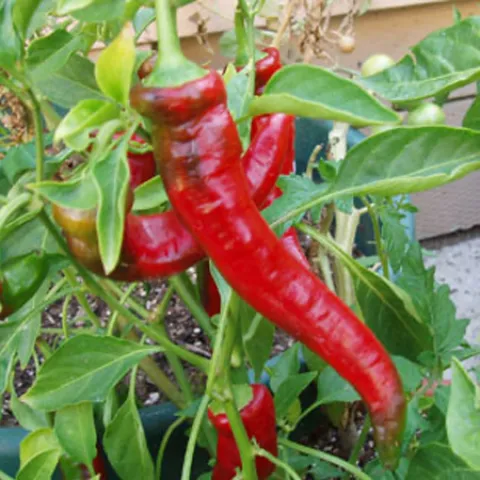
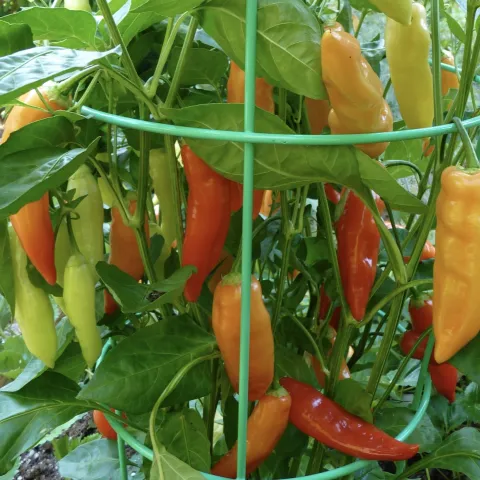
Peppers and chiles are warm weather lovers that range from sweet and mild to fiery hot. Transplant in May to June, possibly late April. For best results, wait until daytime temperatures are regularly over 75°F. If growing your own seedlings, start the seeds 8 weeks before you want to plant.
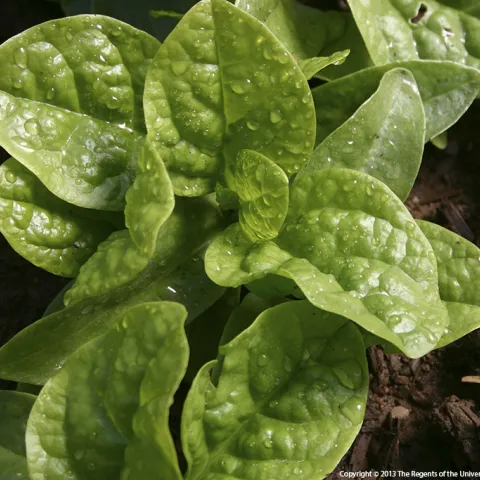
Spinach is a cool weather leafy green, good for eating raw in salads or for cooking. They bolt (send up a flower stalk) quickly in warm weather, so are best grown in the cool season in Santa Clara County.
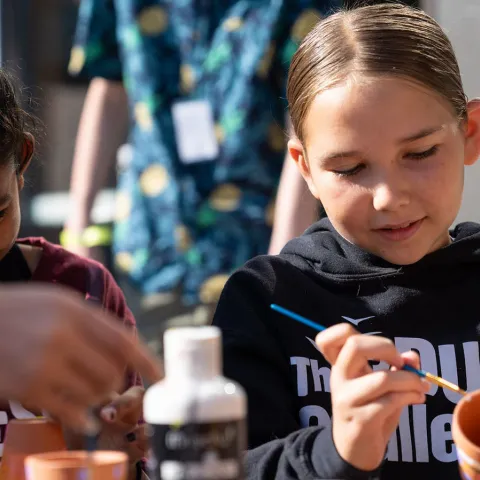
The Los Guilicos Demonstration and Teaching Garden includes an outdoor teaching classroom that is located in the valley below the Mayacamas Mountains in east Santa Rosa. Fieldtrips are available for schools and many educational events are held here for both children and adults.
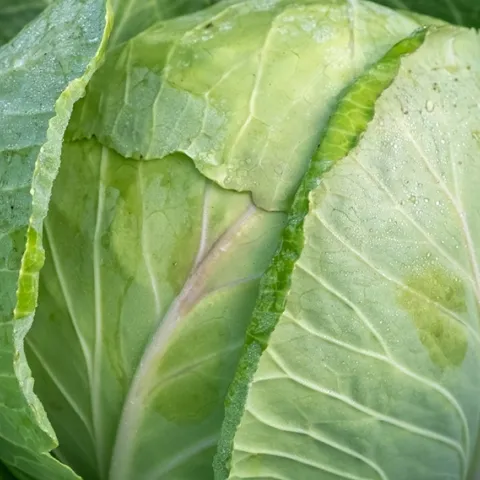
Cabbage is a highly nutritious, hardy, easy-to-grow, cool weather vegetable with a long storage life. Growth is best where the cool season is long with mild temperatures between 45 and 75 degrees.
Tom Swinnen, Pexels Fruit trees need suitable climates, well-drained soil, proper planting, and maintenance throughout the season. It takes some planning and work to get them established, but once you do it's a joy to pick fruit fresh from the garden. Here's how to create your very own home orchard.