Seasonal Advice and Happenings at our Edible Demonstration Garden
Every month, the team at the Edible Demonstration Garden chronicles what's happening in the garden - planting, harvesting, problems and more. Check out our stories!
> BACK TO THE EDIBLE DEMO GARDEN
March 2021: Growing Edibles in Drought


There is a more critical concern now: how to increase the efficiency of our water use during prime growing season. As reported by the Marin Municipal Water District, our reservoirs are at 57% of capacity. This is just 64% of the average at this time of year. Weather predictions show no significant rain in sight and even the dreaded word, ‘rationing’ is being thrown about. How can we become more efficient in our watering practices during the hot months and still maintain our beautiful garden?
Good Cultural Practices to Promote Efficient Watering
First, here is a list of basic practices that you should be following in your garden:
- Use drip irrigation because it wastes less water.
- Add organic matter (compost) to soils regularly to improve soil texture and boost the water holding capacity.
- Add at least 2 inches or up to 6 inches of mulch in early spring.
- Water only when plants need moisture.
Factors Affecting When Plants Need Moisture
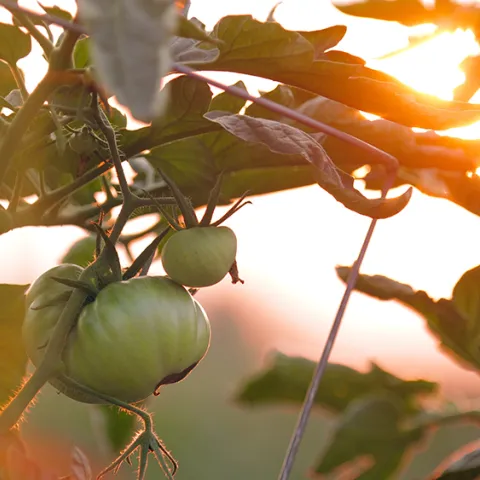
The time of year affects the amount of water plants need. With drip irrigation, you may need only 15 minutes of watering in the spring while during the summer your watering time could increase to as much as an hour. Generally, your water usage will be at its height at the summer solstice, the longest day of the year. As late summer and autumn approaches, you should be decreasing your watering time even if the days are still hot. Plants are not growing as rapidly and need less water. Less water even concentrates flavors in some fruits and definitely does so for tomatoes. Hot days and wind, which is more drying than heat, should also be a consideration for adjusting your watering.
Watering Depth
Most people water too often and not thoroughly enough.
How do we give our plants the water they need without wasting it when we need to water deeply? Watering depth depends on the kind of plant being watered. Here are some general rules:
- leafy vegetables and bedding plants – 6 inches to 1 foot
- small shrubs, corn, tomatoes – 1 to 2 feet
- large shrubs, trees – 1.5 to 5 feet
How to Determine Whether to Adjust Watering Frequency and Time
Make it a habit to check your soil moisture throughout the growing season to determine if your irrigation time and frequency need to be adjusted. Dig a hole near the root zone (see watering depth guidelines above), grab a handful of soil and make a ball.
- If you cannot make a ball, then the soil moisture is approaching 0% and you need to water now.
- If you can form a loose ball that is a little crumbly with thumb pressure but will hold together under hand pressure, the soil moisture is at 50% or less of the last water applied and it is approaching time to irrigate.
- If the soil forms a ball, feels a little plastic, and possibly slick with pressure, 50%-75% of the last water applied is still available and water is not needed.
- If it forms a ball, is very easy to shape and may feel slick, plenty of moisture is available. Glistening or dripping soil samples indicate excessive water.
Consider using a moisture meter (available at most plant nurseries) in addition to evaluating a soil sample manually. These meters use a scale of 1 to 10. 5 would indicate 50% water availability. A meter will add more certainty to your decisions about adjusting your irrigation time and frequency. As with everything, the more you practice this procedure and see the consequences of your actions, the more confidence you will gain in your ability to determine that sweet spot between too little water and too much. Our goal at the EDG this season is not to waste a drop. Let’s all work on this together.
Learn more about irrigation, conserving water in your edible garden, and water-saving tips
November 2020: Cover Crops


Reasons for Cover Cropping
Increase Nitrogen in Soil
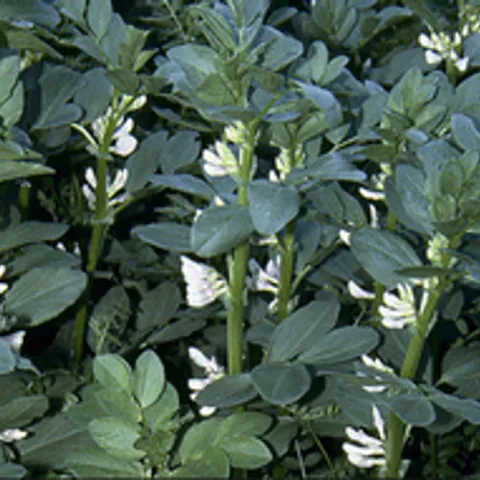
Many gardeners know that Fava Beans improve the soil by fixing nitrogen. The plant takes the nitrogen from the air and with the help of a soil borne bacteria, converts it to a form that can be taken up by the plant through its roots. Other kinds of beans, peas, and non-edible clovers can do this also. A substance called an inoculant can be applied to the seeds at planting time. Fava Bean seeds and any legume should be inoculated at the time of planting. An inoculant provides a beginning supply of the necessary bacteria that will immediately be available when the seed germinates. It will increase the amount of nitrogen fixation above what the plant produces naturally.
Weed Suppression
Rye, Barley, and Vetch as well as many other plants can be used to suppress weeds. With vetch, you get the added benefit of nitrogen fixation as well. These plants suppress weeds by directly competing with them for resources. A blend of these plants is often used so that there is coverage over a long season by early germinators and later ones. In the spring when the grasses are mowed, this green mulch blocks the sun and thus continues to suppress weeds.
Other Reasons
Other reasons you might want to plant a cover crop include compaction control (alfalfa, clover) and erosion control (alfalfa, barley, clover, rye). Alfalfa, barley, and clover can also attract beneficial insects to your garden.
Cover Crop Seasons
Just like vegetables, cover crops have planting seasons. Most of the cover crops mentioned can be planted now. So get them in the ground quickly if you want to amend your existing garden or improve the soil in a new area. Then put your feet up and know that your garden is working its magic without you.
Note: Look to future news about how and when to cut down your cover crop and what to do with it afterwards in order to enhance its benefits.
Learn more about cover crops here.