UC ANR is committed to providing an accessible and inclusive web experience for all users. If you encounter an accessibility barrier or need content in an alternative or remediated accessible format, please contact anraccessibility@ucanr.edu.
Research Brief • March 2025 • Download PDF (356 KB)BackgroundCalifornia’s landmark investment in free school meals for all K-12 students, beginning in school year 2022-23 following federal universal school meals (USM) during the pandemic, has enormous potential to improve nutrition for millions of…
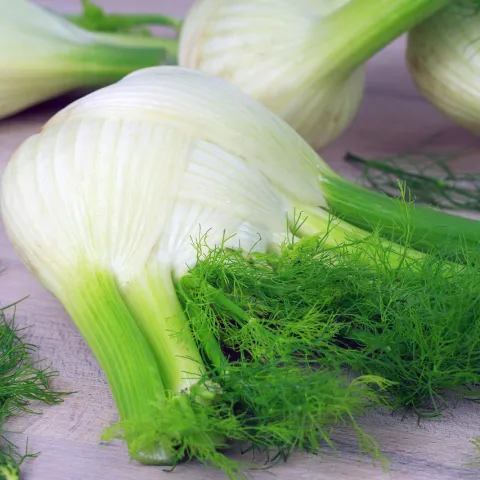
There are two types of fennel:
Florence fennel, also called bulbing fennel: grown primarily for the bulb-like base of the stalks which is eaten as a vegetable. Leaves and seeds can also be harvested.
Common and bronze fennel: grown just for the seeds or foliage (they do not form succulent bulbs), but are…
Explore garden safety tips for when wildfire ash comes to your garden. Learn about potential hazards, safe cleanup practices, and scientific risk assessments.
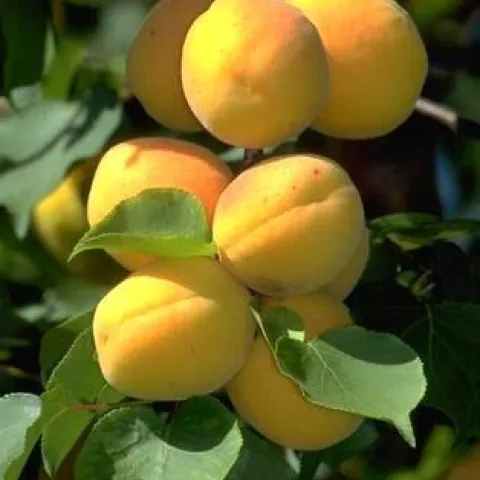
When to plant: January to early February
Harvest window: June to July, depending on variety
Fertilization: Nitrogen in spring, additional applications based on tree age, health, and soil quality
Prune in summer (after harvest through early September)
An online self-paced training for family child care home providers on infant and toddler feeding recommendations. This online training includes videos, short quizzes, and activities. It is free for California child care providers and for a $15 fee for providers outside of California. The training was…
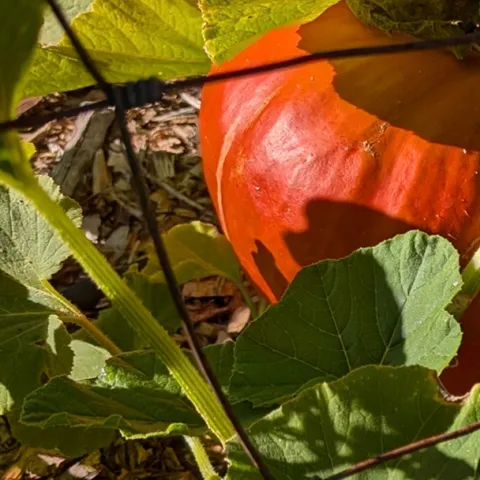
Pumpkins conjure up a nostalgic feeling for simpler days of growing crops on the farm and prompt families to tromp through acres of orange orbs in search of the perfect pumpkin.
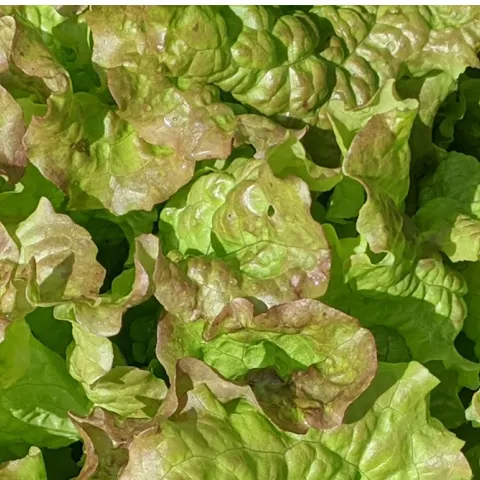
Lettuce has been cultivated and selectively bred for several centuries, first in the Middle East, then by the Romans who named it latuca or milk because of its white sap. The name became lettuce in English. Few vegetables are as easy to grow year-round with such a multitude of varieties.
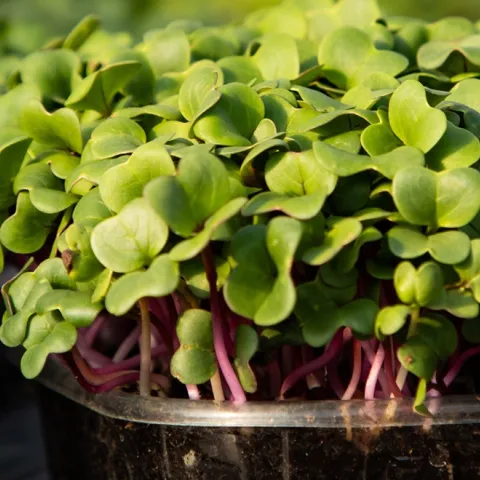
Microgreens are selected vegetables and herbs that are harvested as seedlingsusually 2-3 weeks after sowing when they reach 2-3 in. tall. Growing microgreens is possible any time of the year; they add a bit of freshness especially during winter when grown on a sunny window sill.