mg-logo
UC Marin Master Gardeners

Grow & Care Sheets

Growing & Care Instructions for Vegetables, Herbs & Fruits

Check out our information sheets on how to plant, grow, maintain and harvest common vegetables, fruits, herbs and nuts grown in Marin. We also list our favorite varieties that are best suited for local microclimates. Dive in!
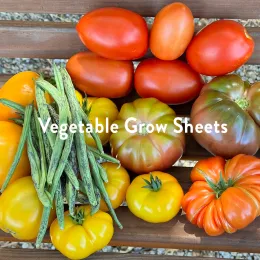
vegetables just harvested


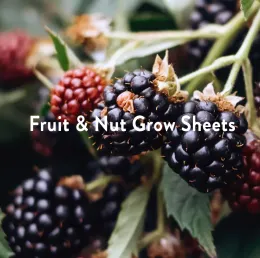
berry harvest for fruit and nut grow sheet


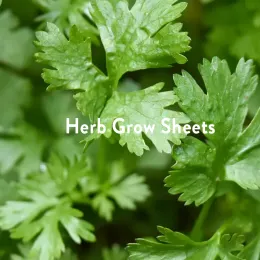
parsley for herb grow sheet page


Primary Image
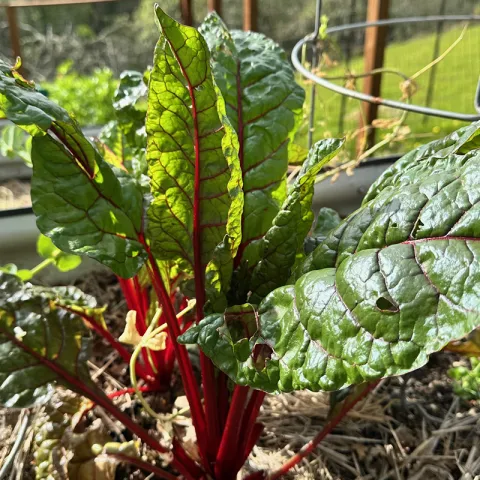
Swiss Chard photo Jean Christofferson
UC Marin Master Gardeners: Document

Chard (Swiss Chard)

Swiss chard, Beta vulgaris var. cicla, is a member of the beet family, but it has no storage root. It is grown for its leaves. It's easy to grow and produces for months. Swiss chard is a cool season crop best grown in cooler temperatures. It grows most all year in Marin's cooler climates. The large leaves…
View Document
Primary Image
collard plant photo by Shariq Kashmiri
UC Marin Master Gardeners: Document

Collard

Collards, Brassica oleracea var. viridis, are a cool season vegetable grown for their leaves. They do not form a head like cabbage.
View Document
Primary Image
corn growing at College of Marin Indian Valley Organic Farm and Garden
UC Marin Master Gardeners: Document

Corn

Corn, Zea mays, is in the Poaceae family (Grass) and is technically a grain, considered a fruit, but also commonly categorized as a vegetable. It descended from a Mexican grass called teosinte. Corn is a warm season, fast growing, annual crop. It needs warmth, space, well-drained, rich soil, and generous…
View Document
Primary Image
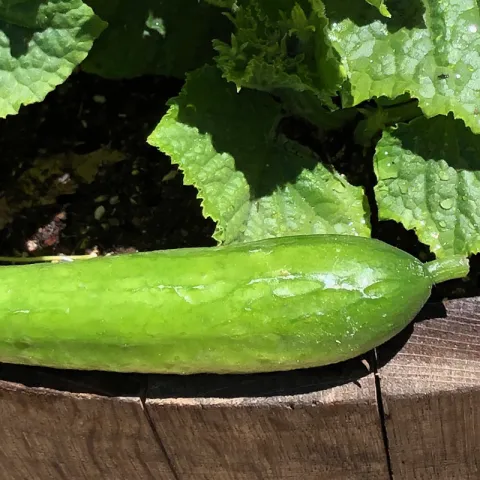
cucumber
UC Marin Master Gardeners: Document

Cucumber

Cucumbers, Cucumis sativus, are a warm season crop belonging to the Cucurbitaceae (gourd) family. Produces cylindrical, tapered fruits used as vegetables. Originates from South Asia. Many varieties: slicing, pickling, burpless, seedless, English, Asian and Persian, Armenian and more. Trailing and bush…
View Document
Primary Image
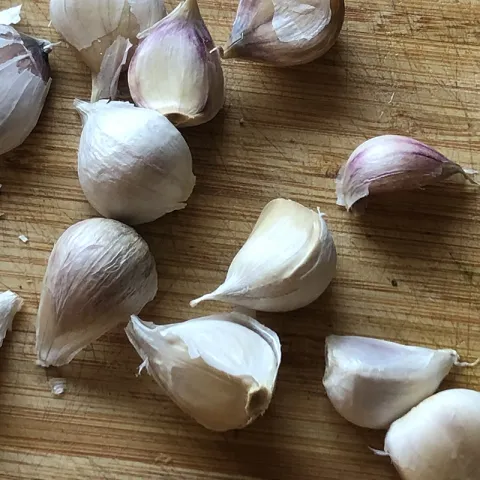
garlic
UC Marin Master Gardeners: Document

Garlic

Garlic, Allium sativum, is a vegetable food crop with a bulb, stem, and leaves. All parts of the plant are edible, and young plants are sometimes harvested for flavor and nutrition. At maturity, leaves are dry and the bulb is the prize. Native to Middle Asia, although different Allium varieties are found all…
View Document
Primary Image
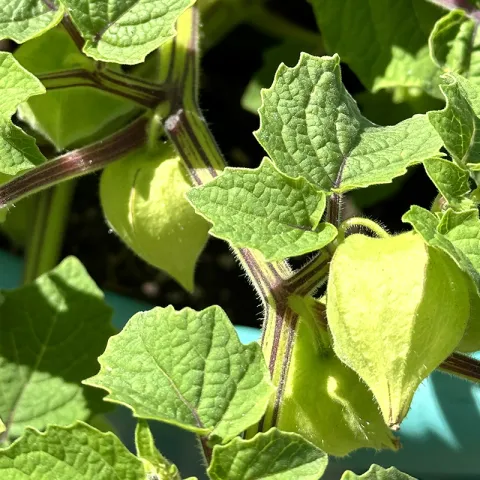
ground cherry photo Jean Christofferson
UC Marin Master Gardeners: Document

Groundcherry

Groundcherry, Physalis peruviana, is an easy care and prolific plant in the nightshade family. Produces small, round edible fruit in little paper lanterns similar to a tomatillo. Requires some space. Growing requirements are similar to tomatoes.
View Document
Primary Image
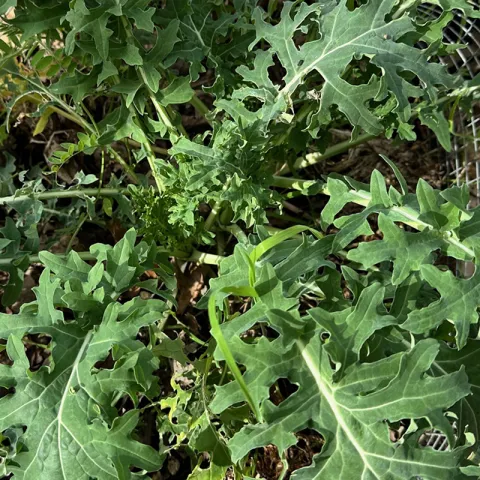
Kale
UC Marin Master Gardeners: Document

Kale

Kale, Brassica oleracea var. acephala, comes in edible and ornamental varieties. Ornamental or flowering kale is grown for decorative leaves. Edible, or salad, kale is a super nutritious, cool-season, fast-growing relative of cabbage that is eaten raw or cooked. Within each type there are many sizes, shapes,…
View Document
Primary Image
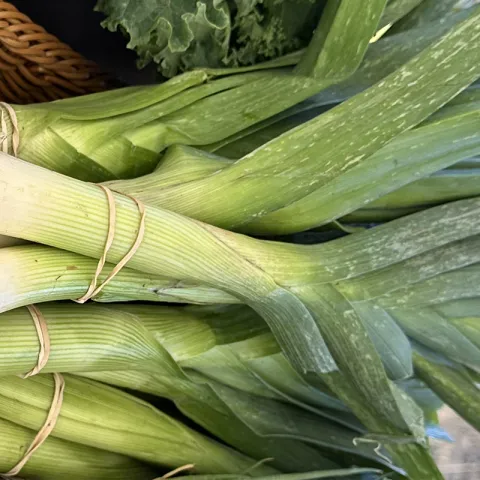
leeks at the College of Marin Indian Valley Organic Farm & Garden photo Jean Christofferson
UC Marin Master Gardeners: Document

Leeks

Leeks, Allium ampeloprasum var. porrum, are cool season biennials grown as annuals. Easily grown member of the Allium family. They don't form bulbs like their garlic and onion relatives. They develop a six to ten inch edible stem up to three inches in diameter. Will endure, but don't appreciate temperatures…
View Document
Primary Image
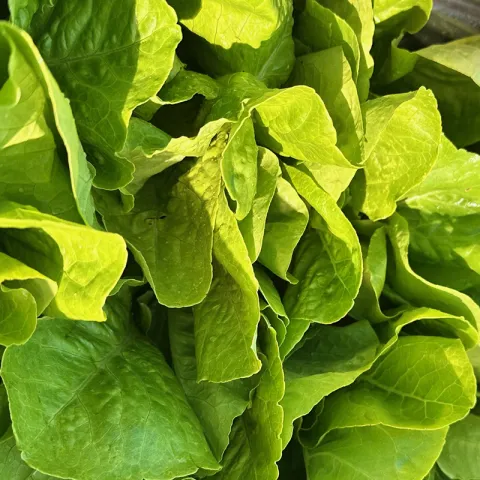
Lettuce
UC Marin Master Gardeners: Document

Lettuce

Lettuce, Lactuca sativa, is a cool season annual, but can be grown year-long along the coast. Varieties include faster growing loose leaf, lightly headed butterhead, romaine, and tight headed crisphead. Native to Middle East.
View Document
Primary Image
onions cured and in storage
UC Marin Master Gardeners: Document

Onions

Onions, Allium cepa. There are two types of onions: strong-flavored that store well and mild and sweet that don’t last long in storage. There are yellow, white, and red varieties in both categories. Divided into long day, intermediate day, and short day varieties, determined by latitude. Intermediate and…
View Document