mg-logo
UC Marin Master Gardeners

Grow & Care Sheets

Growing & Care Instructions for Vegetables, Herbs & Fruits

Check out our information sheets on how to plant, grow, maintain and harvest common vegetables, fruits, herbs and nuts grown in Marin. We also list our favorite varieties that are best suited for local microclimates. Dive in!
vegetables just harvested


berry harvest for fruit and nut grow sheet


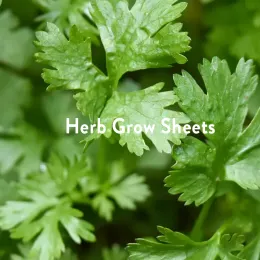
parsley for herb grow sheet page


Primary Image
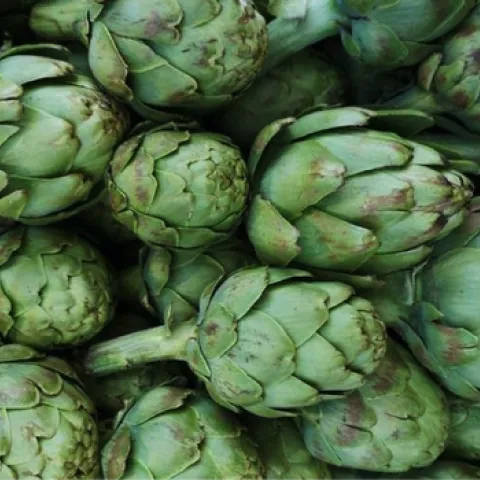
artichoke
UC Marin Master Gardeners: Document

Artichoke

Artichoke, Cynara scolymus, is a perennial, cool-season edible flower. Grows three to four feet tall and wide. Thrives in Marin's coastal climate, where it can produce two crops of tender flower buds a year for five plus years.
View Document
Primary Image
Arugula photo Leo Michels
UC Marin Master Gardeners: Document

Arugula

Scientific Name Eruca vesicaria ssp. sativa General Information Arugula ("rocket") is a spicy mustard green that is fast and easy to grow. There are two varieties: wild Italian arugula (Eruca selvatica) and common arugula (Eruca vesicaria ssp. sativa). Wild Italian arugula has delicate,…
View Document
Primary Image
asparagus
UC Marin Master Gardeners: Document

Asparagus

Asparagus officinalis is a perennial vegetable with edible green stalks. Plants can live for 15+ years. Native to the coastal regions of Europe and Asia.
View Document
Primary Image
pole beans
UC Marin Master Gardeners: Document

Beans

Beans, Phaseolus vulgaris, are warm season legumes native to Central or South America. Grown since ancient times. Eat fresh in pod or shell and dry. Pole beans grow six to 10 feet. Bush beans grow two feet tall and wide. Good source of fiber and vegetable protein. Enriches soil with nitrogen.
View Document
Primary Image
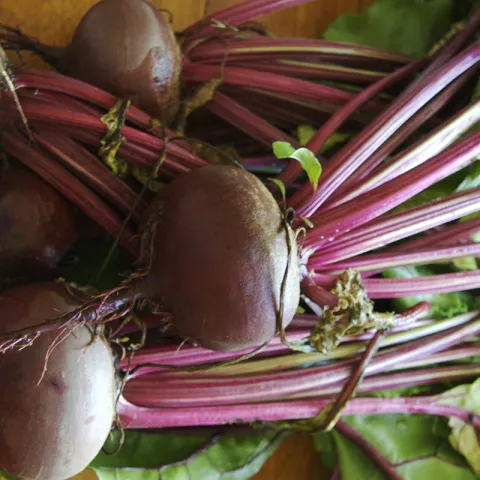
Beetroot photo Brianna Walther
UC Marin Master Gardeners: Document

Beets

Beets, Beta vulgaris, are a herbaceous biennial that is usually grown as an annual during the cooler months of the year. It is grown as a root vegetable, but the leaves can also be eaten.
View Document
Primary Image
Broccoli photo Marty Nelson
UC Marin Master Gardeners: Document

Broccoli

Broccoli, Brassica oleacea, is a cool season plant in the mustard family consisting of an edible flower head, stems, and leaves. There are short season and long season varieties. You can grow broccoli in the spring and again in the fall. Broccoli is delicious eaten fresh out of the garden.
View Document
Primary Image
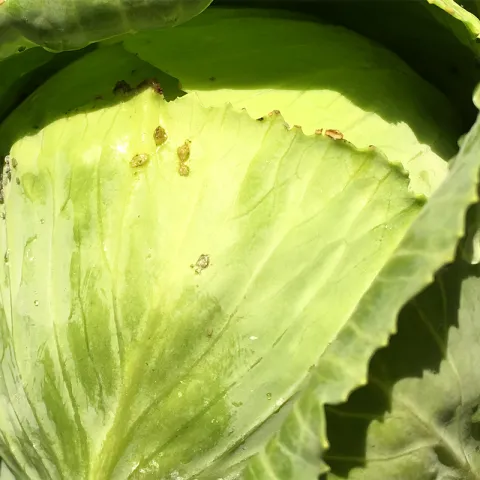
cabbage photo Jean Christofferson
UC Marin Master Gardeners: Document

Cabbage

Cabbage, Brassica oleracea var capitata, is a cool weather vegetable related to kale, collards, broccoli, cauliflower, Brussels sprout, and kohlrabi. Can grow year-round along the coast. Native to coastal areas of Western Europe. There are short-season, mid-season, and long-season varieties.
View Document
Primary Image
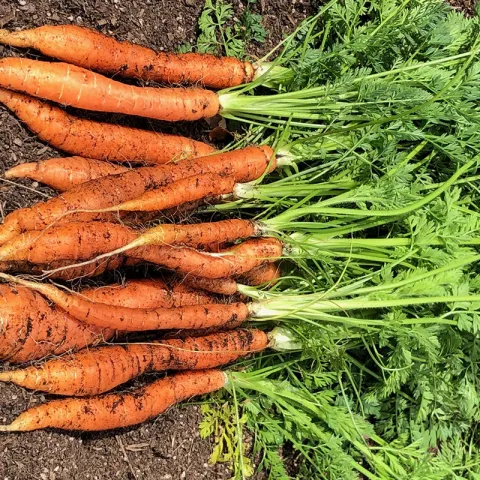
Carrots photo Jean Christofferson
UC Marin Master Gardeners: Document

Carrots

Carrots, Daucus carota, are a cool weather crop and a root crop. It is a biennial grown as an annual. Native to Afghanistan.
View Document
Primary Image
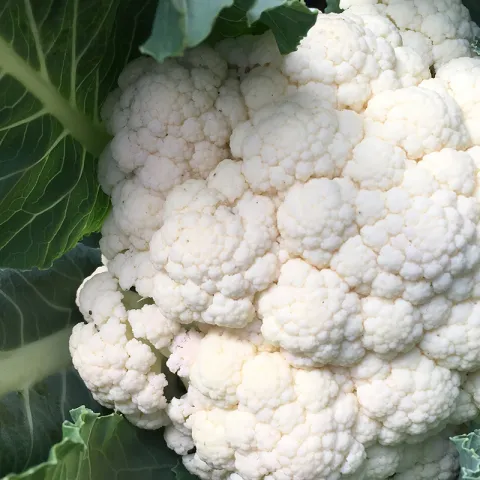
Califlower photo Jean Christofferson
UC Marin Master Gardeners: Document

Cauliflower

Cauliflower. Brassica oleacea. is a cool season crop that requires attention to timing and care. Cauliflower has an edible flower head, leaves, and upper part of the stem. There are two varieties: short-season (40-70 days) and long-season (90-200 days).
View Document
Primary Image
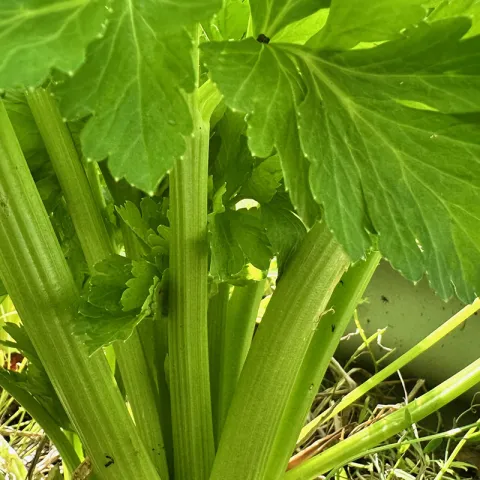
celery photo Jean Christofferson
UC Marin Master Gardeners: Document

Celery

Celery, Apium graveolens, is a cool weather crop with long fibrous stocks tapering to leaves. It is a hardy biennial grown as an annual. Celery is shallow rooted. It requires frequent irrigation and regular fertilization to produce a successful crop.
View Document