Rangelands

Primary Image
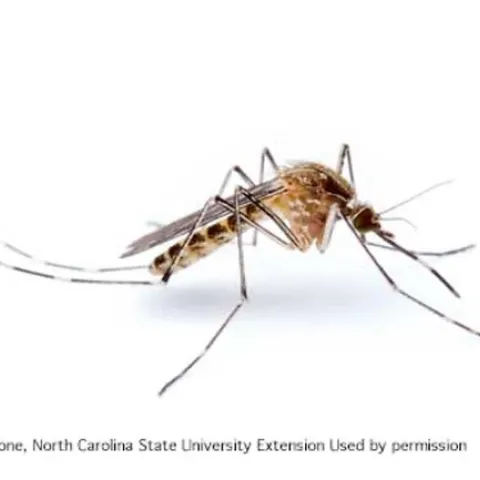
West Nile virus is mainly spread by Culex mosquitoes. Photo by Matthew Bertone, North Carolina State University Extension.

Invasive Pest Spotlight: West Nile Virus

March 26, 2024
By Mackenzie F Patton
The invasive pest spotlight focuses on emerging or potential invasive pests in California. In this issue we are covering West Nile virus. West Nile virus disease was first reported in California in 2003 and has become the most common and serious vector-borne disease in California.
View Article
Primary Image
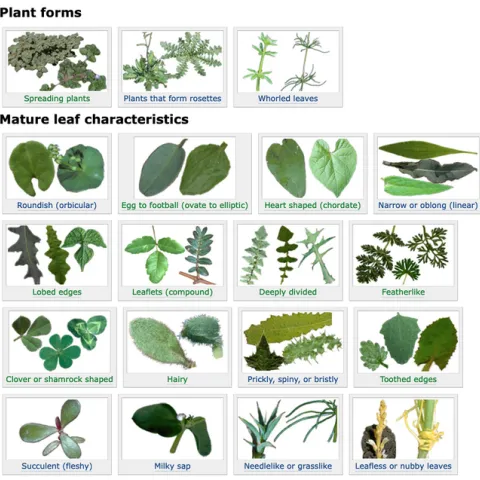
Figure 1. Broadleaf plant characteristics page from the UC IPM Weed Gallery.
Pests in the Urban Landscape: Article

Need Help Identifying Weeds?

March 26, 2024
By Karey Windbiel-Rojas
After all the winter rains you may find yourself dealing with weeds and struggling to control them. The first step in successfully controlling weeds is knowing what weed you have.
View Article
Primary Image
A.
Pests in the Urban Landscape: Article

Easter Egg Hunt 2024!

March 26, 2024
By Lauren Fordyce
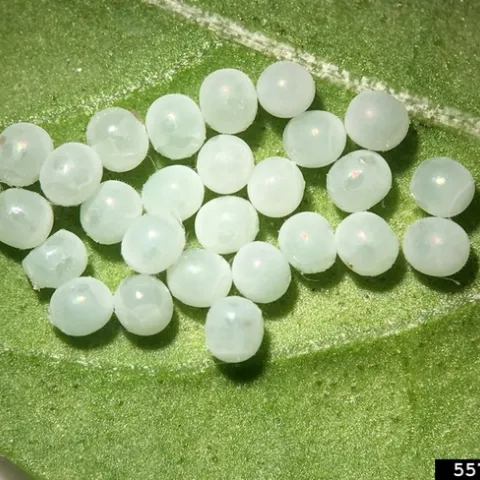
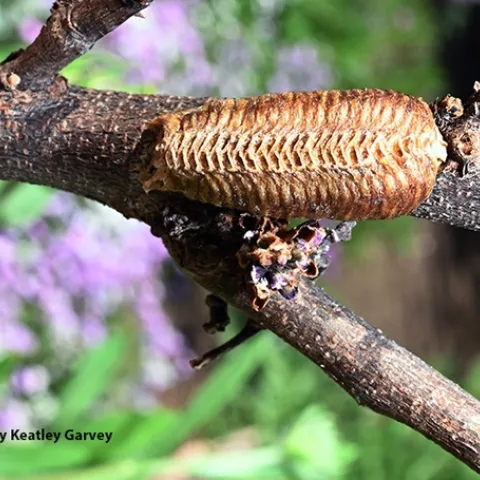
It's time for UC IPM's annual insect Easter egg hunt! Can you guess which insects laid the eggs pictured below? Some may be pests, while others may be beneficial. Leave a comment on this blog post with your guesses, or on our Facebook and Instagram posts. Answers will be posted on Monday, April 1st.
View Article
Primary Image
An egg case or ootheca of a praying mantis. Mama, a Stagmomantis limbata, deposited it on a redbud tree.(Photo by Kathy Keatley Garvey)

Ootheca! Ootheca! Ootheca!

March 26, 2024
By Kathy Keatley Garvey
If you've been pruning bushes or trees, check to see if a praying mantis egg case (ootheca) is attached to a limb. If you do, you're in luck! A mantis deposits her egg case in late summer or fall, and usually on twigs, stems, a wooden stake or fence slat, but sometimes even on a clothespin.
View Article
Primary Image
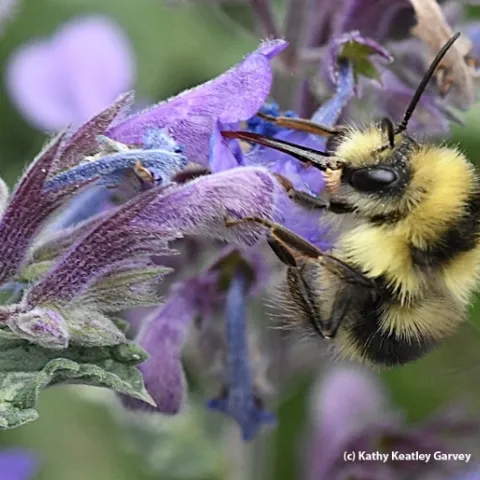
Yellow and black bumble bee on a purple flower.
The Stanislaus Sprout: Article

Precious Pollinators

March 25, 2024
By Anne E Schellman
Do all bees live in hives? If asked, many people would say yes. You might be surprised to learn only honeybees and bumblebees are social and live in hives. The rest are solitary, with seventy percent living in the ground! Bees are pollinators.
View Article
Primary Image
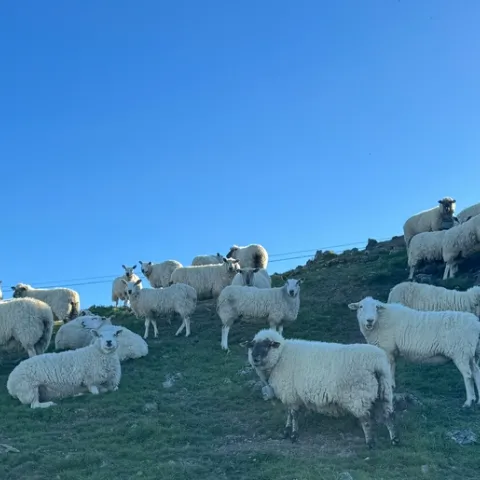
Photo Mar 17 2024, 9 12 27 AM
Ranching in the Sierra Foothills: Article

Spring 2024 Workshops!

March 25, 2024
By Daniel K Macon
We have several outstanding workshops coming up in the next three weeks! Contact me at dmacon@ucanr.edu or (530) 889-7385 for more information! Livestock Health & Wildfire Webinar (Thursday, March 28 - 6:00pm-7:30pm) - Virtual: Join Extension Veterinarians Dr. Gaby Maier, Dr. Rosie Busch, and Dr.
View Article
Primary Image
Trees for Tomorrow tree recipient
Landscape Horticulture Updates for Southern California: Article

3,500 Climate-Ready Trees Provided to Residents of Low Shade Neighborhoods

March 20, 2024
By Janet S Hartin
To date, over 3,500 climate-ready shade trees and tips on their planting and long-term care have been provided by University of California Master Gardeners and over 35 partners to residents of low shade neighborhoods in San Bernardino and Riverside Counties through the 'Trees for Tomorrow Start Today'…
View Article