UC ANR is committed to providing an accessible and inclusive web experience for all users. If you encounter an accessibility barrier or need content in an alternative or remediated accessible format, please contact anraccessibility@ucanr.edu.
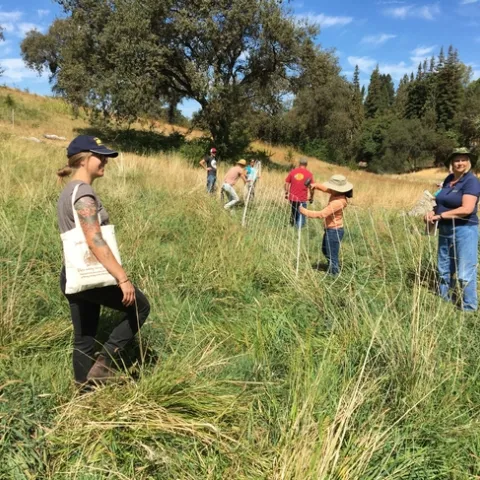
That is a long name for a little job right? Nope! The UCCE Placer & Nevada Counties serves a growing number of small farmers and ranchers in these two counties. Over 75% of commercial farms and ranches are small scale(less than 50 acres).
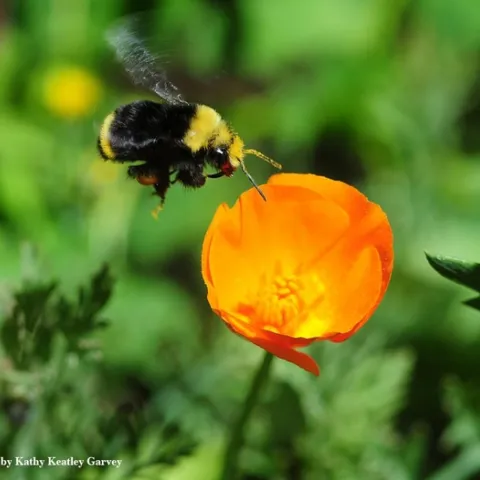
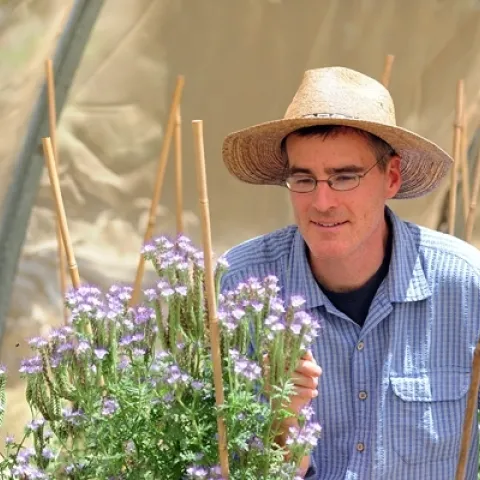
With all the increasing--and alarming--global concern about declining pollinators, it's great to see some good news: pollination ecologist Neal Williams of the UC Davis Department of Entomology and Nematology is one of the Highly Cited Researchers in the 2018 list just released by Clarivate Analytic...
DAVIS--Pollination ecologist and Chancellor's Fellow Neal Williams, professor of entomology, UC Davis Department of Entomology and Nematology, has been named one of the Highly Cited Researchers in the 2018 list just released by Clarivate Analytics.
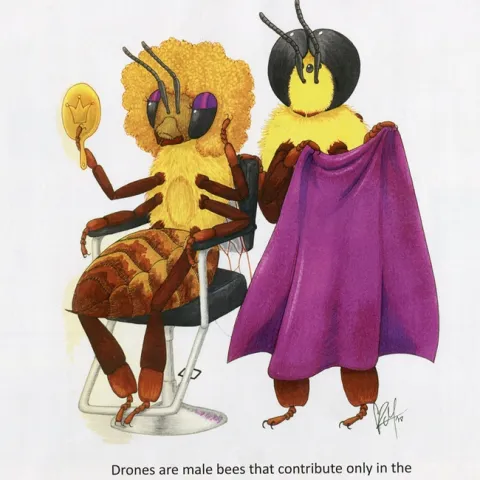
"Drones are male bees that contribute only in the perm production for the queen." So wrote an undergraduate student in one of Lynn Kimsey's entomology classes at the University of California, Davis. The student meant "sperm." But it came out "perm.
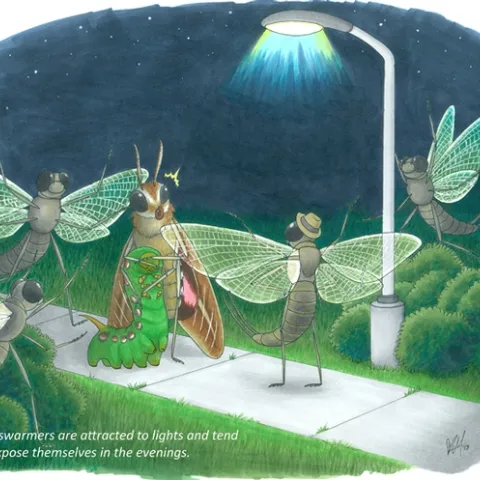
The swarmers are attracted to lights and tend to expose themselves in the evenings. That's how a University of California, Davis undergraduate student described mayflies in a class taught by Lynn Kimsey, professor of entomology and director of the Bohart Museum of Entomology.
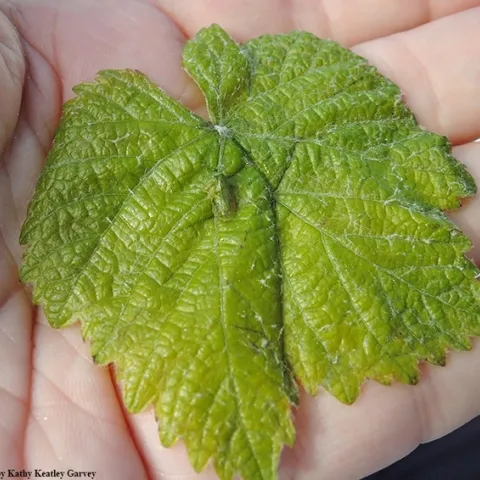
It's green, it's tiny, and everyone is hoping it doesn't wreak any havoc in the vineyards. "It" is the three-cornered alfalfa hopper, Spissistilus festinus, a lear-winged, wedge-shaped (thus the name "three-cornered") insect that's about a quarter of an inch long.
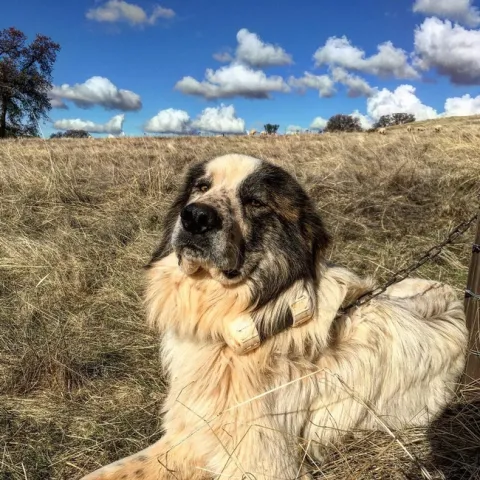
As you probably know if you've read previous posts on Ranching in the Sierra Foothills, my go-to tool for protecting sheep on our foothill rangeland and irrigated pasture is my livestock guardian dogs.
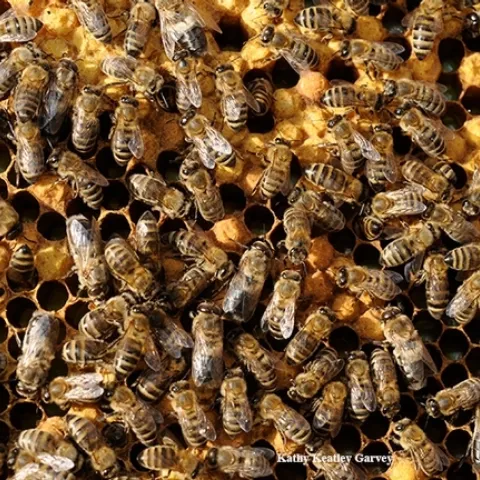
Honey bee geneticists with long ties to UC Davis are putting together those missing pieces of the puzzle involving bee chromosomes. Newly published research by a team of Germany-based honey bee geneticists, collaborating with Robert Eugene (Rob) Page Jr.
Newly published research by a team of Germany-based honey bee geneticists, collaborating with Robert Page Jr. of Arizona State University/University of California, Davis, offers new insights in the ability to modify and study the chromosomes of honey bees.