UC ANR is committed to providing an accessible and inclusive web experience for all users. If you encounter an accessibility barrier or need content in an alternative or remediated accessible format, please contact anraccessibility@ucanr.edu.
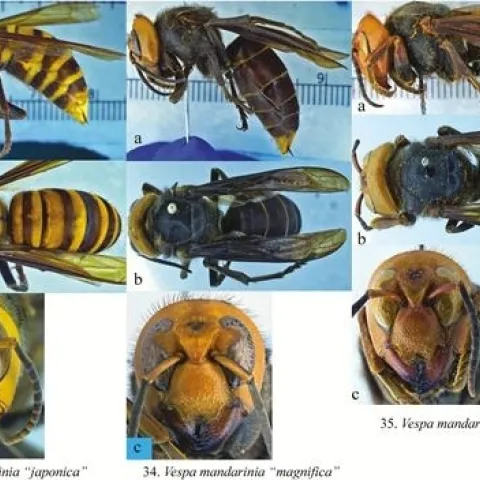
What an incredible work! And timely, too! While many folks are panicking about the first detected (and destroyed) colony of Asian giant hornets, aka murder hornets, in North America, three entomologists have just published research on this and the 21 other known species of hornets in the genus Vespa...
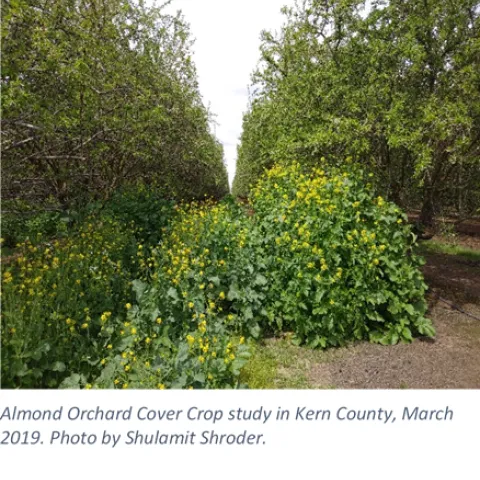
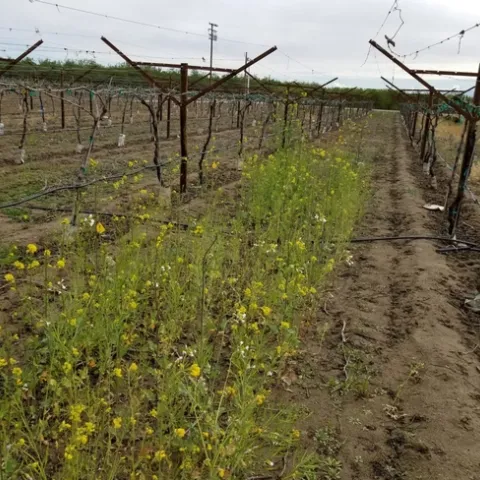
Cover crops offer many potential benefits to growers. For example, they can improve water infiltration, reduce erosion, and provide habitat for pollinators and other beneficial insects.
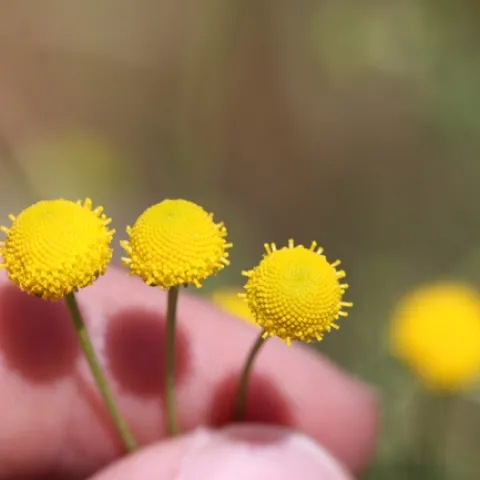
Stinknet (Oncosiphon piluliferum, aka globe chamomile) is a winter annual that is spreading across Southern California and poses threats to wildlands, rangelands and agricultural areas. Stinknet was first found in western Riverside County in the early 1980's.
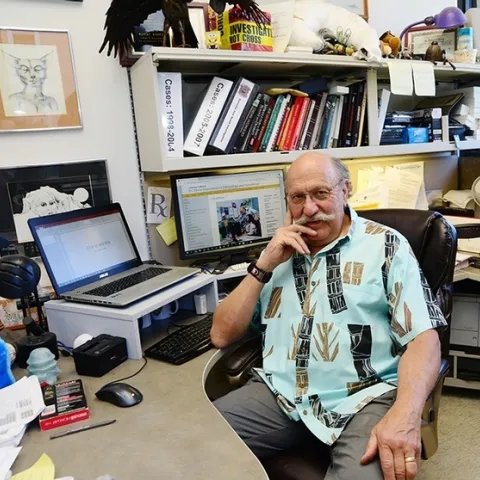
Forensic entomologist and academic advisor Robert Kimsey of the UC Davis Department of Entomology and Nematology has won an international award from NACADA, the global community for academic advising.
During these unprecedented times of having to practice social distancing, the University of California Cooperative Extension's (UCCE) Climate Smart Agriculture -Community Education Specialists (CES) are still here to help you! We have continued to diligently provide technical assistance to farmers a...
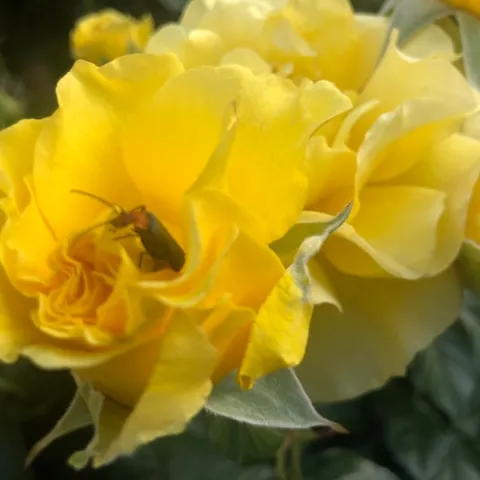
Lady beetles, aka ladybugs, are not the only insects that feed on aphids. So do the soldier beetles, family Cantharidae. They are sometimes known as leatherwings. Got roses? Got aphids? You may also have a good friend, the soldier beetle.
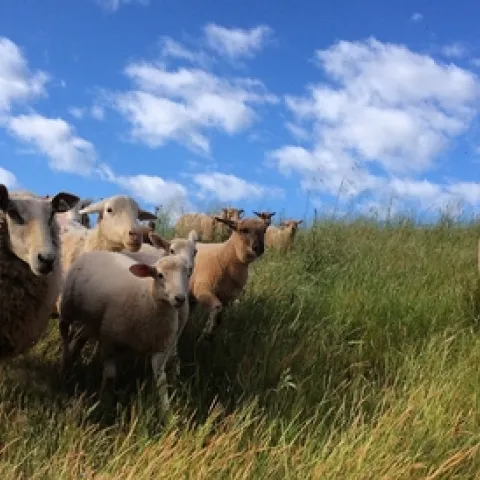
With many of us continuing to shelter-at-home during the COVID-19 crisis, I wanted to let you know about some upcoming virtual workshops and podcasts I have scheduled! I hope you'll join us! Ranchers Virtual Coffee Hour (Tuesday, May 5, 2020 6:30 a.m.
Growers throughout the country and around the world plant a wide range of cover crops for a variety of reasons. Cover crops can reduce soil compaction, improve water infiltration, improve soil structure, and feed soil microbes: they encourage a healthier and more diverse soil ecosystem.
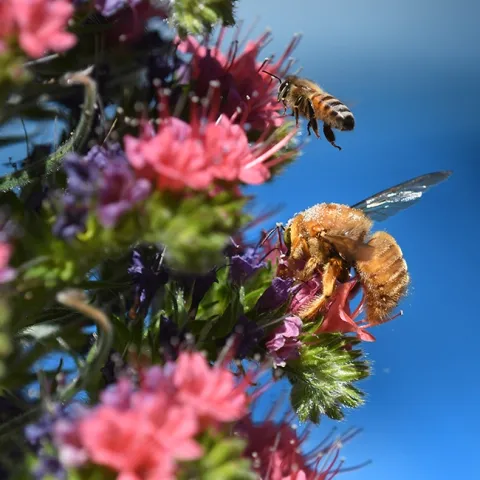
So here I am, a male Valley carpenter bee, Xylocopa varipuncta, just enjoying the nectar on this tower of jewels, Echium wildpretii, in Vacaville, Calif. Some folks call me "The teddy bear bee." Yes, I like that nickname.