UC ANR is committed to providing an accessible and inclusive web experience for all users. If you encounter an accessibility barrier or need content in an alternative or remediated accessible format, please contact anraccessibility@ucanr.edu.
Through the generous donations of the Imperial County Farm Bureau, Imperial County Vegetable Growers Association, Farm Credit West, Imperial Valley Water, and California Women for Agriculture-Imperial Valley there are a limited number of grants available to Imperial County Educators! Educators who a...
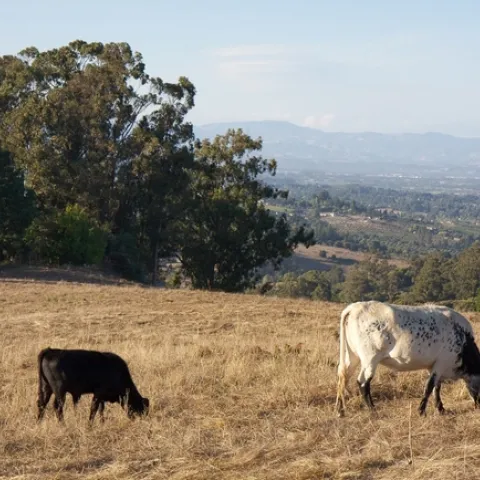
Cattle can help reduce wildfire danger by grazing on fine fuels in rangeland and forest landscapes, reported Sierra Dawn McClain in Capital Press. The article also appeared in the Blue Mountain Eagle, the Westerner and the East Oregonian.
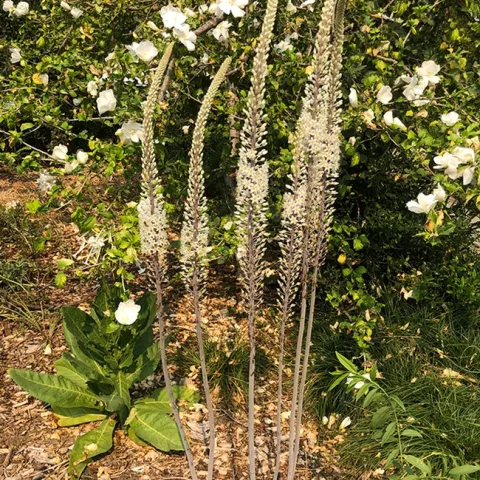
Honey bees are the first thing you notice about the sea squill (Drimiamaritima or Urginea maritima) in the 100-acre UC Davis Arboretum and Public Garden.
Firefighting resources are stretched thin because of the amount of wildfire burning throughout California, which means first responders may not be immediately available to protect your home.
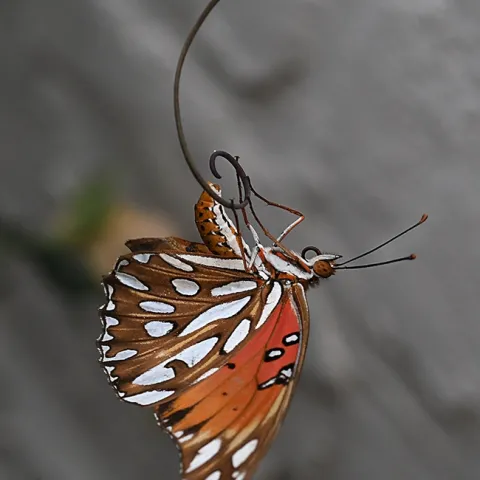
Happy Labor Day! And what an appropriate time to post an image of a Gulf Fritillary, Agraulis vanillae, depositing an egg! The females lay their eggs on the tendrils and leaves of the butterfly's host plant, the passionflower vine (Passiflora) but we've seen them depositing eggs on nearby fences whe...
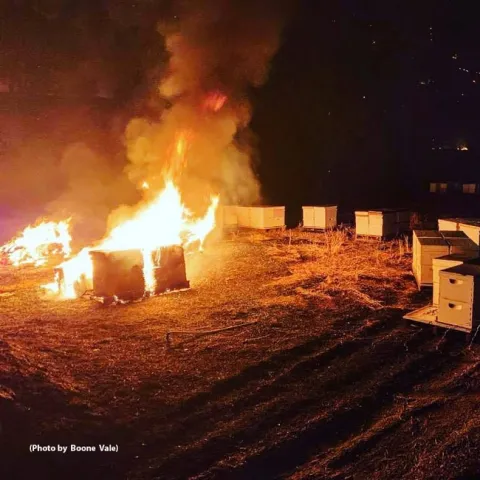
The wildfires that raged through California, crippling and/or destroying beekeepers' homes and their livelihoods are heartbreaking. One victim, Caroline Yelle, owner of Pope Canyon Queens (PCQ), located on 8307 Quail Canyon Road, Vacaville, lost 500 hives.
After the destructive LNU Complex Fire burned through farms and ranches where Morgan Doran lives and works, he immediately volunteered to help families and local authorities take care of animal victims.
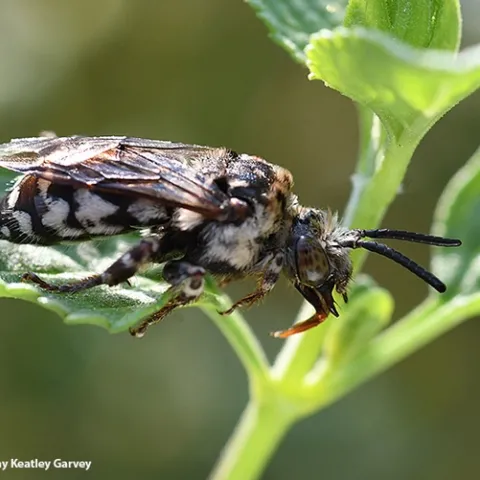
Ever seen a cuckoo bee? They're also called parasitic bees or "kleptoparasites" or "cleptoparasitises." They cannot carry pollen (no apparatus) and do not construct their nests. They lay their eggs in the nests of their hosts and then eat the food meant for the hosts.
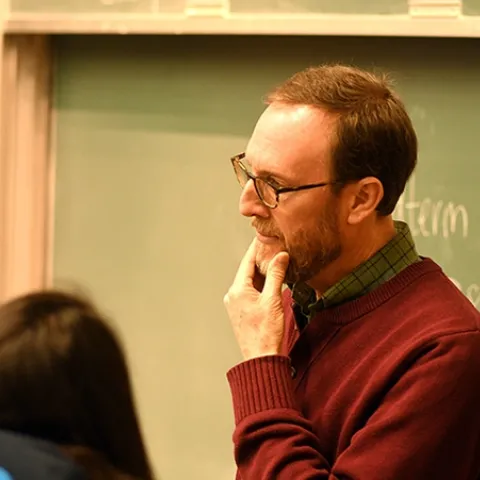
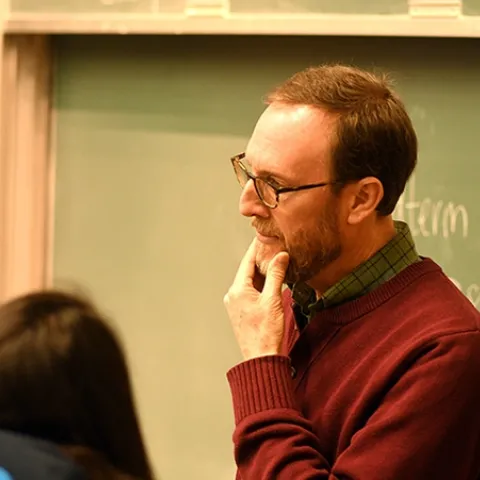
Jay Rosenheim is a legend around the UC Davis Department of Entomology and Nematology. He's known for his scientific intellect, his research, his publications, his dedication, his commitment, his enthusiasm, his caring, and his kindness.
UC Davis Distinguished Professor Jay Rosenheim of the Department of Entomology and Nematology is a newly elected Fellow of the 7000-member Entomological Society of America (ESA).