UC ANR is committed to providing an accessible and inclusive web experience for all users. If you encounter an accessibility barrier or need content in an alternative or remediated accessible format, please contact anraccessibility@ucanr.edu.
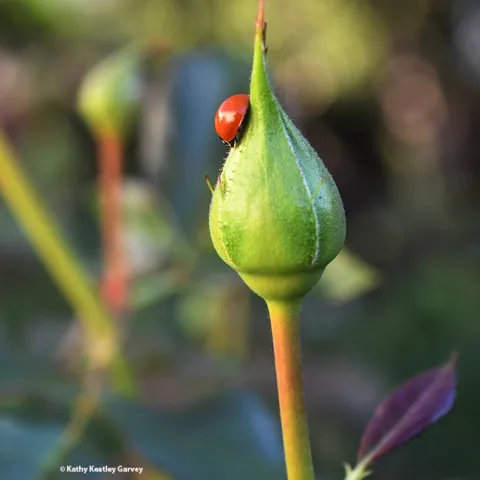
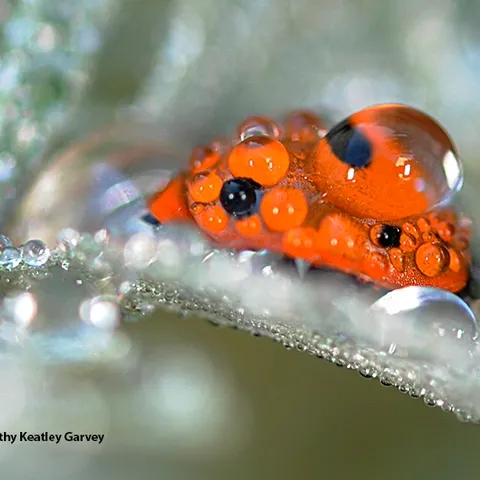
If you have roses blooming in your yard in the winter--or trying to bloom--check to see if there's a lady beetle, aka ladybug prowling around. Any aphids? A lady beetle can eat as many as 5000 aphids in its lifetime, so they're the good guys and gals in the garden.
A post-fire area of the Sierra Nevada mountains with negligible conifer regeneration. (Joseph Stewart, UC Davis/USGS) In the aftermath of megafires that devastated forests of the western United States, attention turns to whether forests will regenerate on their own or not.
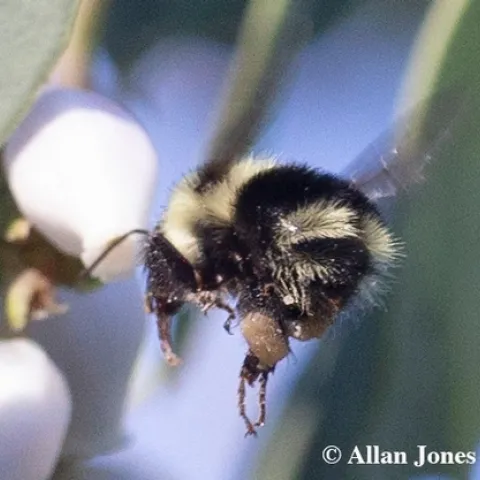
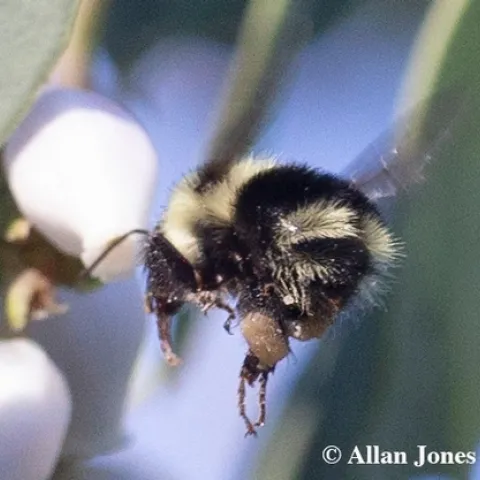
Seen any bumble bees lately in Yolo or Solano counties? If so, and if you photograph the first one of the year, you might win the Bohart Museum of Entomology's contest.
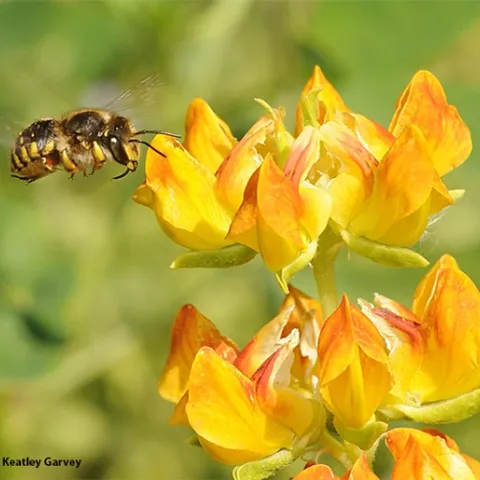
Learning more about insects ought to be one of your New Year's resolutions. Here's a good place to start: read the UC Davis Bohart Museum of Entomology's Insect Information Sheets.
The year 2020 felt like a close encounter of the worst kind. The raging COVID-19 pandemic, the California wildfires, the political scene, the poverty, the racial uprisings, the stay-at-home mandates, the strife...
2020 was a troubling year for the monarch butterfly, Danaus plexippus. The severe population decline led the Xerces Society for Invertebrate Conservation to seek endangered species status from the U. S. Fish and Wildlife Service (USFWS). USFWS announced Dec.
Did you celebrate Happy Solstice Day on Dec. 21? That's the astronomical moment, according to the Farmer's Almanac, "when the Sun reaches the Tropic of Capricorn" and "we have our shortest day and longest night of the year in the Northern Hemisphere in terms of daylight.