UC ANR is committed to providing an accessible and inclusive web experience for all users. If you encounter an accessibility barrier or need content in an alternative or remediated accessible format, please contact anraccessibility@ucanr.edu.
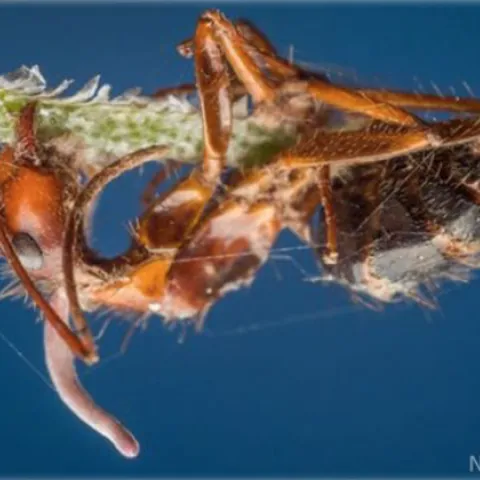
"What Makes a Zombie Ant Tick? Connecting Genomes with Behavioral Phenomes in Ants Manipulated by a Fungal Parasite." That's the title of the next UC Davis Department of Entomology and Nematology seminar, to be presented Wednesday, Jan.
In December, amidst the holiday Zoom parties and anticipation of the end of a rough year, we said "Happy Retirement" to one of the California Naturalist Program's favorite colleagues, environmental educators and mentors, Sandy Derby.
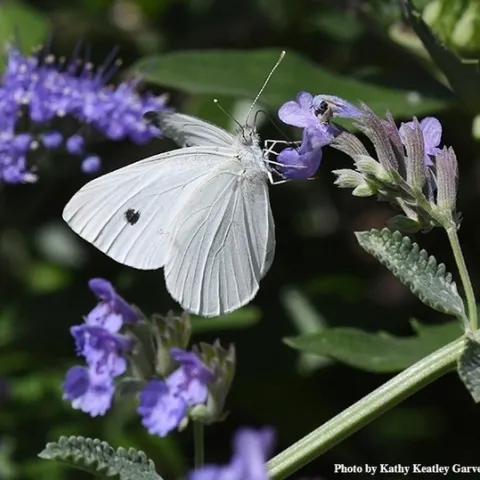
Oh, to find a butterfly in January. Butterfly guru Art Shapiro, UC Davis distinguished professor of evolution and ecology, knows where they are. As mentioned in a previous Bug Squad blog, he spotted a cabbage white butterfly, Pieris rapae, on Jan.
Forestland owners can learn how to survey the trees on their property from four new videos produced by UC Cooperative Extension, setting them on a course for sustainable management of their forestland. The videos are available on the UC ANR YouTube channel (http://youtube.com/UCANR).
The COVID-19 pandemic canceled the 2021 Beer-for-a-Butterfly Contest but sponsor Art Shapiro, UC Davis distinguished professor of evolution and ecology, found one for the record books. Shapiro spotted a cabbage white butterfly, Pieris rapae, at 1:55 p.m. on Saturday, Jan.
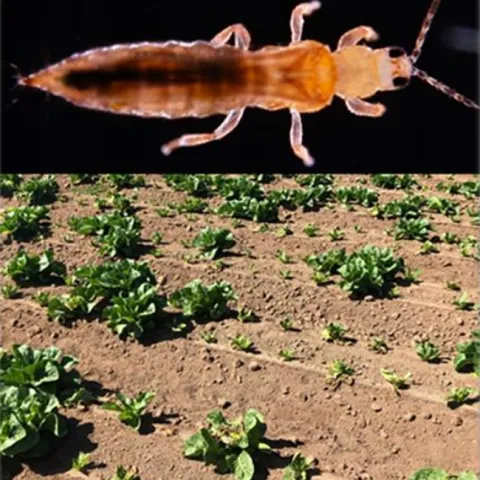
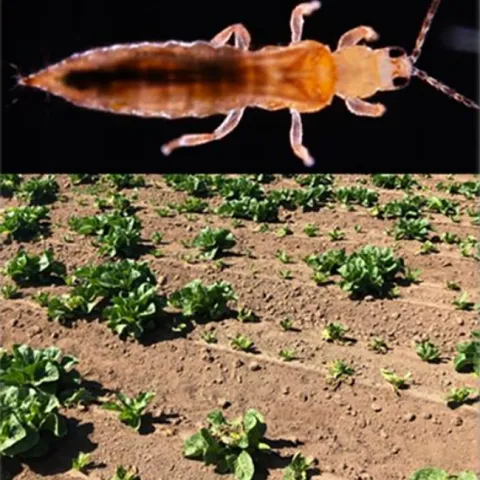
They're small, about 1 mm long or less, with characteristic fringed wings. They fly, but not well. But thrips do pack a powerful punch. A major pest of many agricultural crops, including lettuce, they damage plants by (1) sucking their juices and (2) transmitting viruses.
How do you manage thrips in lettuce production? Research entomologist Daniel Hasegawa of the Crop Improvement and Protection Research Unit, Agricultural Research Service, U. S.
Robbin Thorp would have been proud of what happened on Thursday, Jan. 14. When the UC Davis emeritus professor of entomology, a global authority on bumble bees, died June 7, 2019 at age 85, scientists found a way to memorialize him and what he loved.