UC ANR is committed to providing an accessible and inclusive web experience for all users. If you encounter an accessibility barrier or need content in an alternative or remediated accessible format, please contact anraccessibility@ucanr.edu.
Community ecologist and UC Davis doctoral alumnus Ash Zemenick, the newly selected manager of Sagehen Creek Field Station in Sierra Nevada, part of the University of California Natural Reserve System (NRS), is home--home among the flora and fauna that encompass the ecosystems and the researchers who...
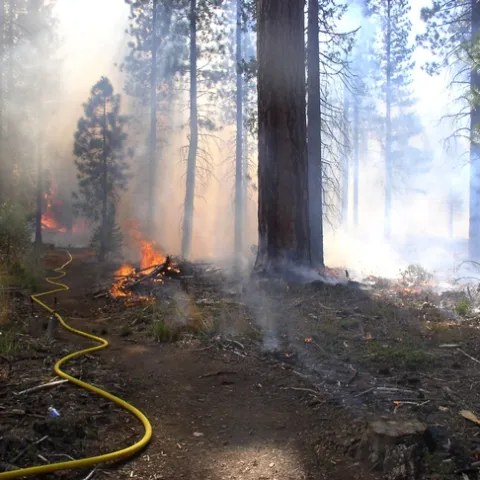
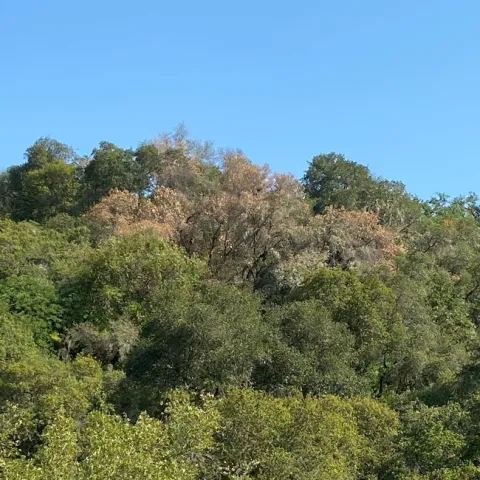
The massive die-off of conifers in the Sierra Nevada between 2012 and 2018 was predictable and unprecedented. Sadly, it is also likely to happen again, said UC Cooperative Extension forestry advisor Susie Kocher.
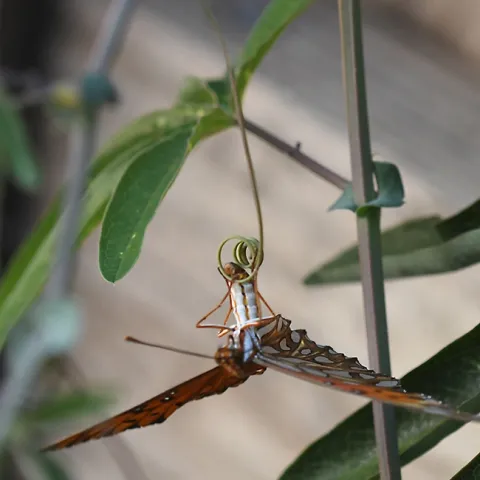
You know the drill, lay 'em on the tendrils. But Gulf Fritillary butterflies, Agraulis vanillae, don't always lay their eggs on the tendrils of their host plant, the passionflower vine (Passiflora) although textbooks may indicate that.
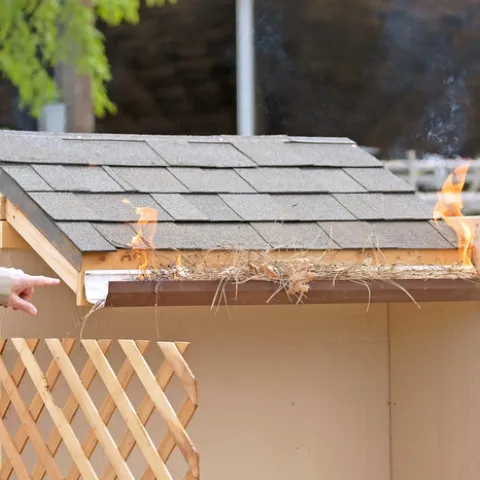
A team of California and Nevada fire scientists have produced a booklet with step-by-step guidance on retrofitting an existing home to be more resilient to fire.
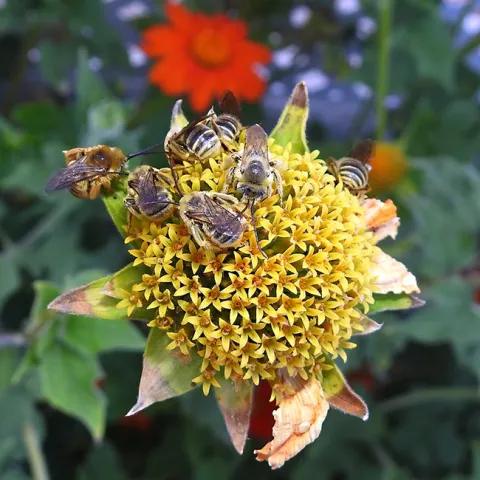
Okay, boys, listen up! You're the Lucky Seven! Count yourselves. There are seven of you--seven male Melissodes agilis bees--sleeping on a single spent Mexican sunflower blossom (Tithonia rotundifola).
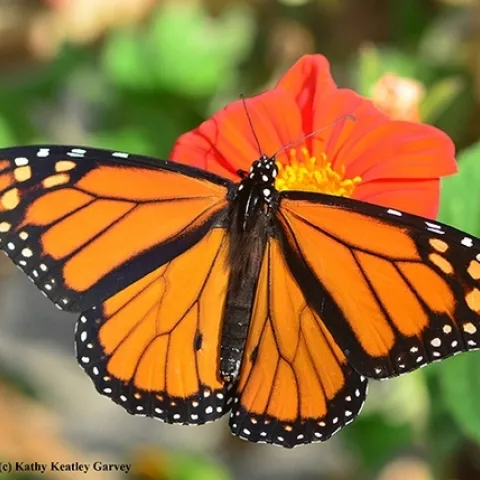
A 19th century nursery rhyme insists that little girls are made of "sugar and spice and everything nice." They're not, of course. And neither are butterflies always "pretty." They can be "pretty gross," according to a delightful children's picture book, "Butterflies Are Pretty...
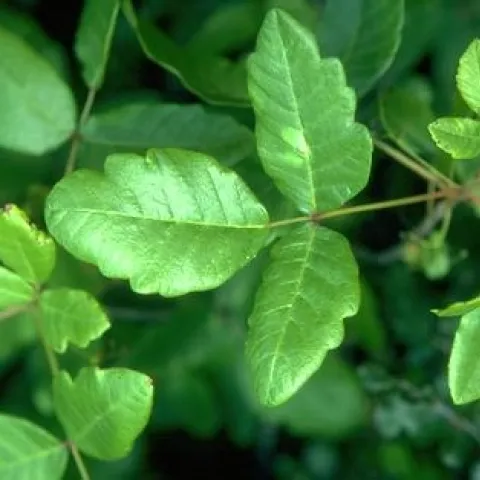
Poison oak is a common native plant in California, growing everywhere from oak woodlands to urban parks. Chances are, you or someone you know has suffered from a rash due to poison oak at some point. The best way to avoid exposure to poison oak is knowing how to identify it.
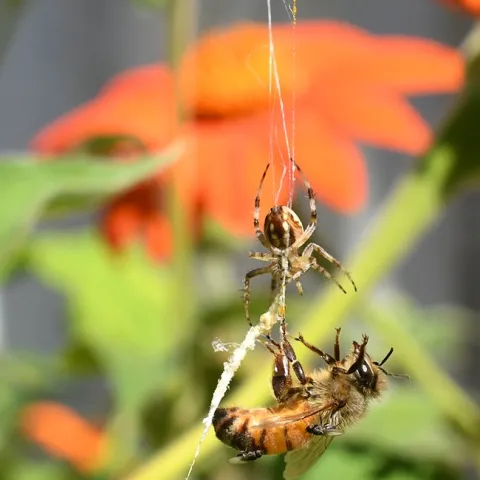
It's early morning and the spider is hungry. It snares a honey bee foraging for pollen and nectar in a patch of Mexican sunflowers (Tithonia rotundifola) in a Vacaville pollinator garden. The spider slides down the sticky web, kills its prey with a venomous bite, and begins to eat.