UC ANR is committed to providing an accessible and inclusive web experience for all users. If you encounter an accessibility barrier or need content in an alternative or remediated accessible format, please contact anraccessibility@ucanr.edu.
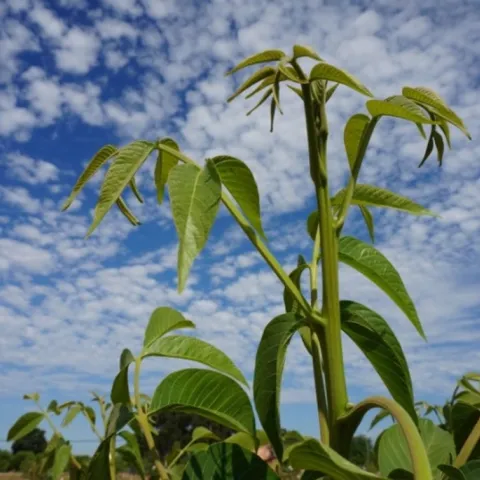
September Walnut Orchard Tasks for Agriculture To-Do List September is the time to focus on finishing the crop season well by protecting the kernel color and quality, keeping the insect pests in check, and setting the trees up for a stress-free winter. Irrigation and Nutrition Management in the…
The Farm Robotics Challenge, the only collegiate agricultural robotics competition of its kind, has launched its 2026 season. Registration is now open for student teams.
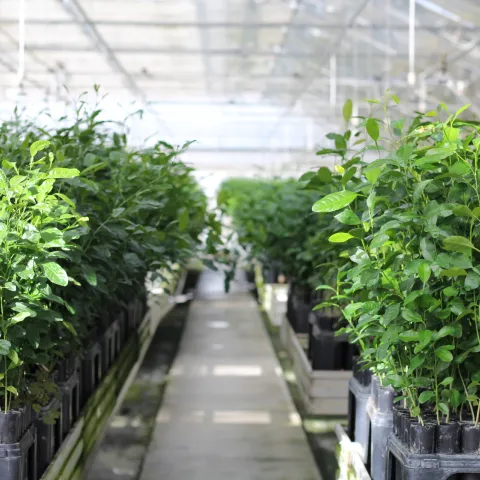
For more than 40 years, the California Nursery Conference has assembled UC researchers to update horticultural business owners on science that can boost their bottom line.
Wine, table and raisin grape growers gathered for Grape Day at the Kearney Agricultural Research and Extension Center to hear about the latest innovations from UC scientists.
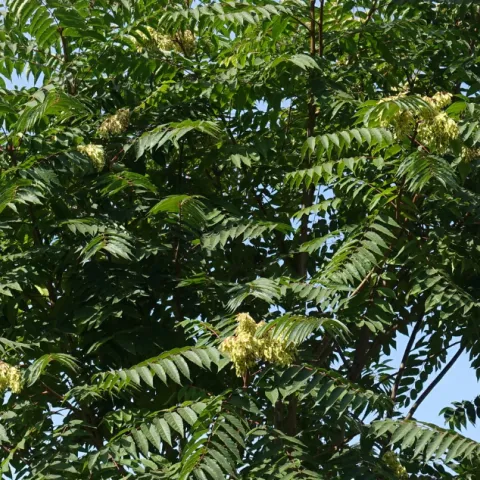
We’re thrilled to celebrate the incredible success of the tree-of-heaven scouting portion of the Invasive Species Scout Project. Thanks to the passion, curiosity, and dedication of our UC Master Gardener volunteers, this community science initiative surpassed all expectations. Over the past year and a half,…
By Marco Metzger, California Department of Public Health
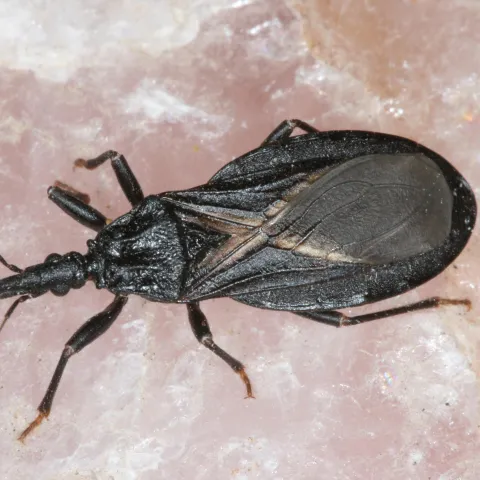
This article covers kissing bugs (also known as conenose bugs). They are an occasional summertime insect pest of sparsely-inhabited rural or suburban areas.
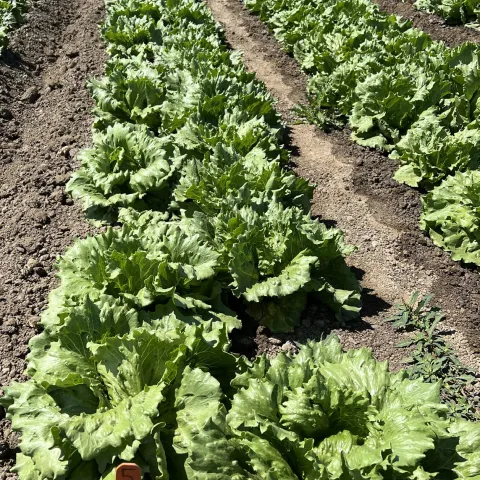
Please join us for the 2025 Lettuce Fusarium Wilt Trial Field Day in Soledad - August 26, 2025 10 am - 12 pm. Trials include variety evaluations, steam treatment evaluations, and fungicide evaluations. Pre-registration is strongly suggested. Please see full article for additional info and directions.
Want to control pests but don’t want to use pesticides? Good news—there are many alternative options, and most are more effective than pesticides and last longer! In general, there are three main methods to controlling pests nonchemically: cultural control, physical control, and biological control…
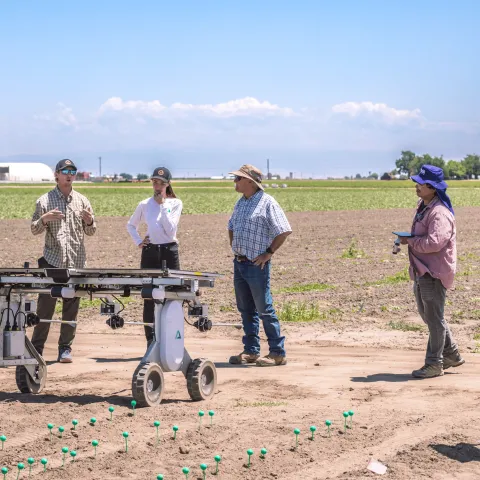
UC Merced hosts VINE Connect Field Day on Sept. 17, when seven ag tech startups will demonstrate solutions designed to meet pressing challenges facing California agriculture.
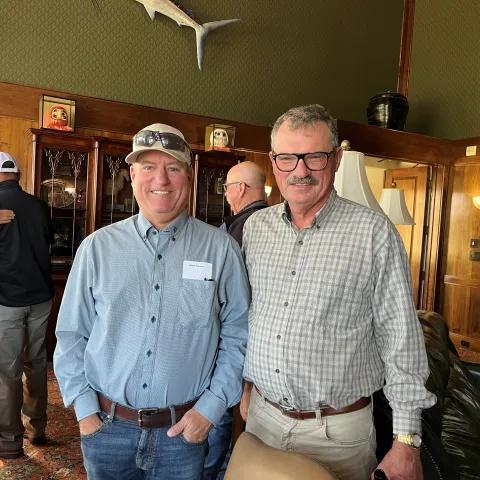
UC Cooperative Extension specialist Steve Fennimore has retired after 28 years with the UC Davis Department of Plant Sciences. But this milestone only marks the beginning of a new chapter for the weed scientist.