UC ANR is committed to providing an accessible and inclusive web experience for all users. If you encounter an accessibility barrier or need content in an alternative or remediated accessible format, please contact anraccessibility@ucanr.edu.
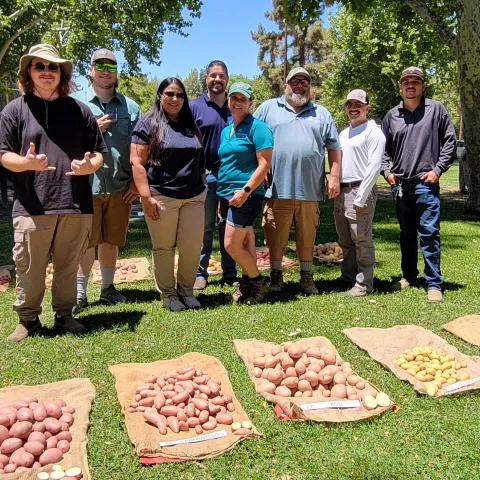
In February, Leonel Jimenez started as the UCCE area director for Kings, Kern and Tulare counties. Born and raised in Reedley, Jimenez said he's come "full circle."
How to identify the pests that are damaging your lawn What is wrecking your lawn? It could be skunks, raccoons, moles, voles, pocket gophers, or lawn insects. Each leave behind evidence and signs of their presence.Skunks are out at dusk, during the night, and at dawn in residential areas searching for…
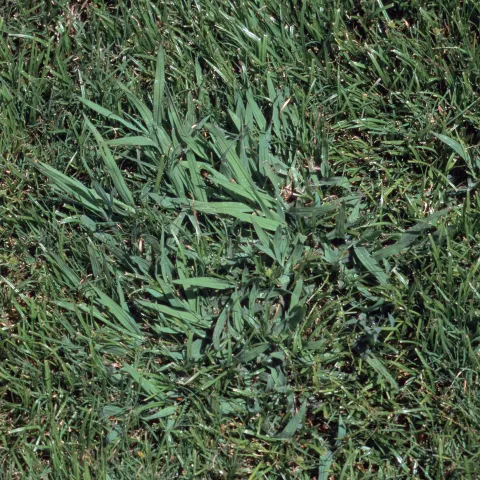
Crabgrass popping up in your lawn or landscape can be aggravating, but don't despair -- you can manage this common annual weed with integrated pest management! First, make sure that you are dealing with crabgrass and not a lookalike grass like dallisgrass or bermudagrass. The newly revised Pest Notes:…
UC IPM recently hosted a webinar about invasive plant management in California. During the presentation, our speakers Constance Taylor and Jutta Burger from the California Invasive Plant Council (Cal-IPC) answered live questions from attendees. Below are some of those questions and answers. If you…
For the first time, farmers in California and throughout the West have a decision-support tool that recommends cover-crop species based on growers’ goals.
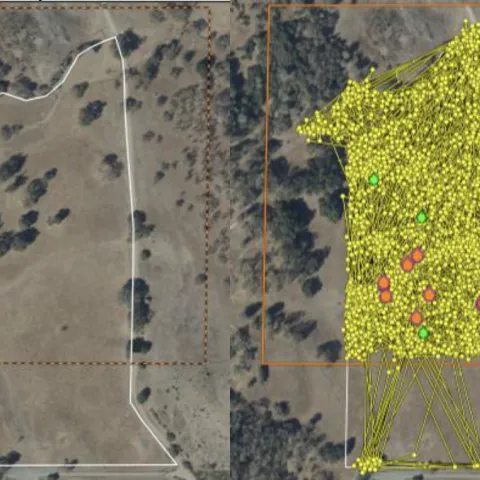
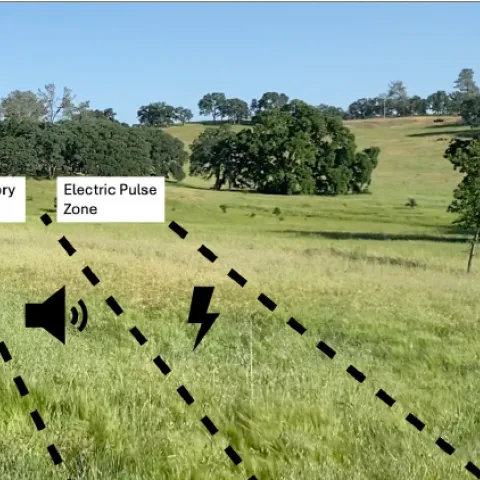
Virtual Fencing: A New Tool for Livestock and Land Management Virtual fencing (VF) is a precision agriculture tool gaining traction across California’s diverse rangelands. It uses GPS collars to contain livestock without physical fences. Producers set virtual boundaries across their pasture from a…
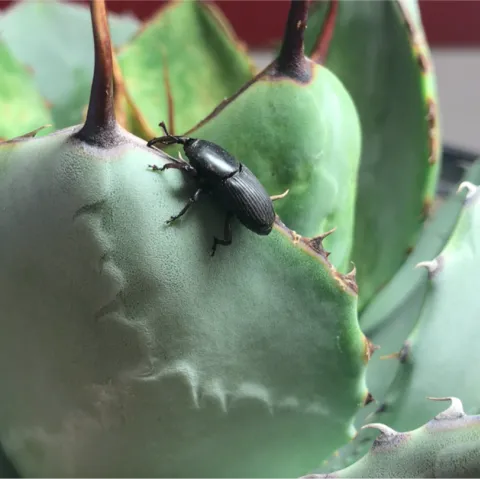
Succulents like aloes and agaves are common landscape plants throughout much of California and are prized both for their beauty and their drought tolerant features. Unfortunately there are several arthropod pests that can damage or even kill these hardy plants. Below are three pests you should be aware of if…
UC Central Sierra research on Virtual Fencing on California Rangelands Virtual Fencing is a precision agriculture tool gaining traction across California's diverse rangelands that uses GPS collars to contain livestock without physical fences. Research and trials are ongoing, and many of the…
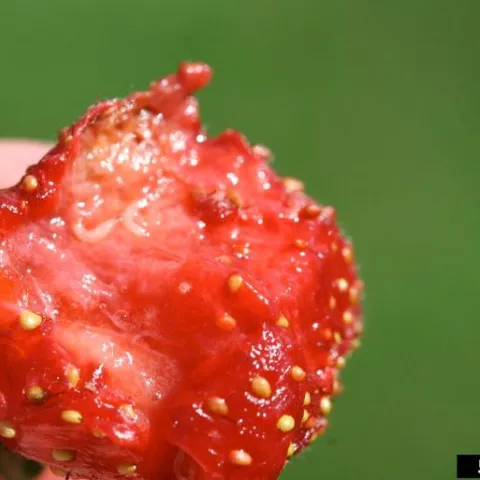
A little red-eyed fly is trending on social media for all the wrong reasons. Why? Because people are finding maggots in some of their berries! Sounds gross, but what is it? This small fly, called spotted-wing drosophila (SWD), love soft-skinned fruits such as cherries, blueberries,…
Weed Science School is less than two weeks away! Join the UC Davis Weed Research and Information Center for this 2.5 day course. Learn through lectures and laboratory demonstrations at the Bowley Plant Science Teaching Facility at 1200 Extension Center Drive in Davis, CA on September 16-18, 2025.Weed…