UC ANR is committed to providing an accessible and inclusive web experience for all users. If you encounter an accessibility barrier or need content in an alternative or remediated accessible format, please contact anraccessibility@ucanr.edu.
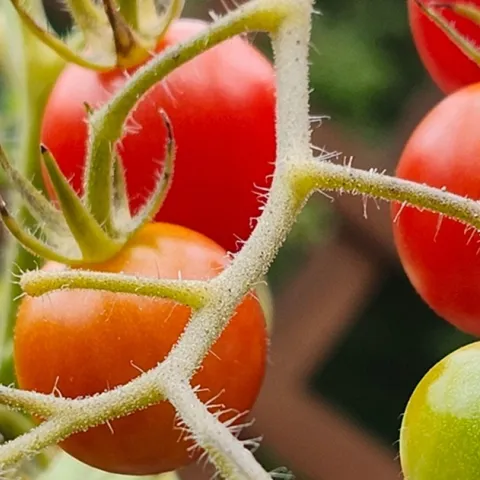
Cherry tomatoes have become a home-garden favorite not only for their small size, perfect for snacking and salads, but also for their early and long-lasting harvest. Because they produce so abundantly, one standard plant is sufficient for a family of four.
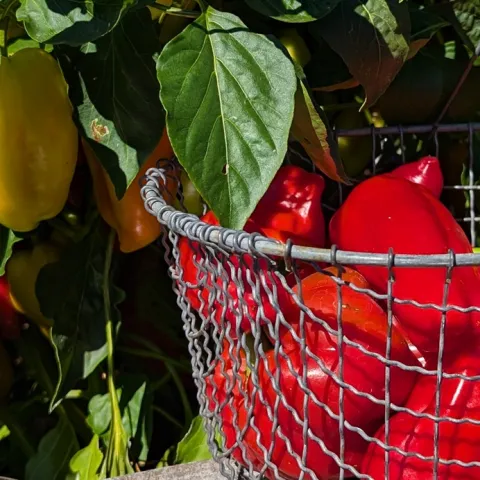
Peppers are members of the nightshade (Solanaceae) family along with tomatoes, eggplants, and potatoes. They require a long season of warm-hot weather before maturing in 2-3 months.
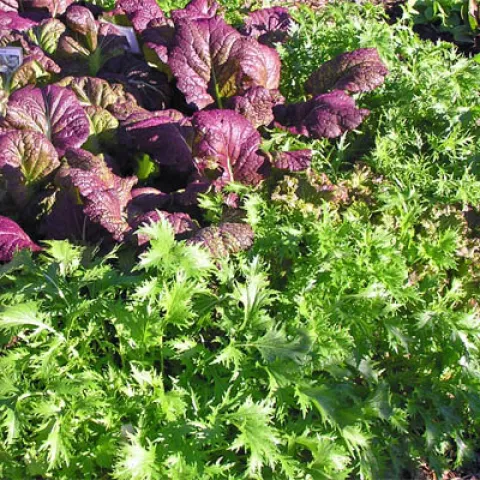
Mustard is a beautiful cover crop that suppress some harmful soil-dwelling nematodes. Photo: Courtesy of UC Regents Putting the garden to rest Thanks to Marin's mild winter weather, home gardeners can grow vegetables year-round.
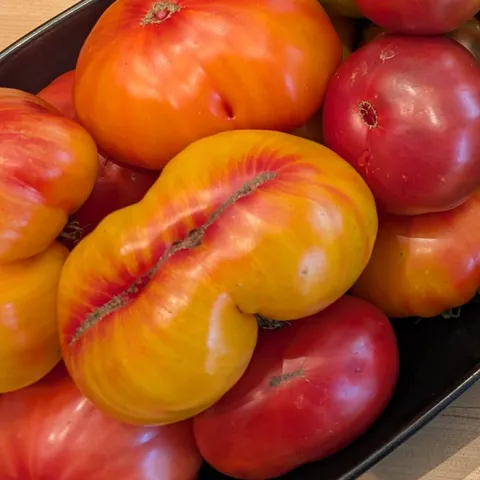
This is a summary of what we learned from our 2001 tomato project in regards to tomato staking methods. We grew just over a hundred varieties of mostly heirloom tomatoes at the now closed University of California Bay Area Research and Extension Center facility in the City of Santa Clara.
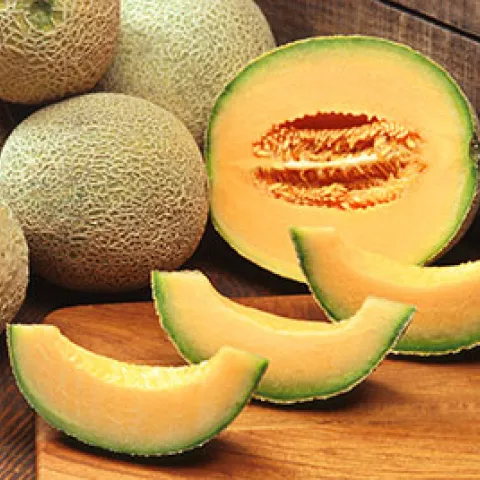
Melons are heat lovers that need full sun and high temperatures. Black plastic or black landscaping fabric can be used to keep the soil warm and weed-free. Cover the plants with floating row covers to keep them warm and protected from pests. Remove the row covers when the plants start to blossom.
Mustard is a member of the cabbage family. Like the others, they grow best in the cool season. Mustard comes in a variety of beautiful colors (green, red, purple) and textures (smooth, ruffled, lacy), making it very ornamental.
Something in your garden or home bugging you? Do your roses have strange spots? Is something eating your tomatoes? The Merced Master Gardeners are here to help! Contact our Helpline to get answers to your garden challenges and pest problems. Send an email to anrmgmerced@ucanr.edu.
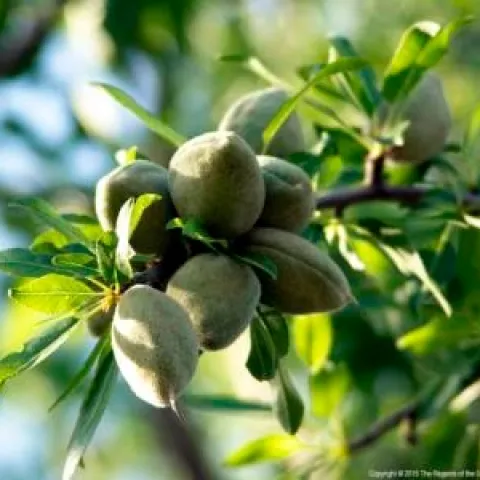
When to plant: January to early February
Harvest window: August to October, depending on variety
Fertilization: Nitrogen in spring, additional applications based on tree age, health, and soil quality
Prune in early winter (December to January)