UC ANR is committed to providing an accessible and inclusive web experience for all users. If you encounter an accessibility barrier or need content in an alternative or remediated accessible format, please contact anraccessibility@ucanr.edu.
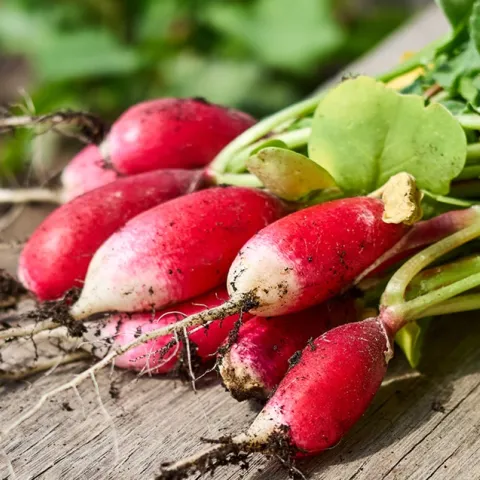
Radishes are usually thought of as a root vegetable of the Brassicaceae (cabbage) family although tops are equally as edible when treated like collard or mustard greens.
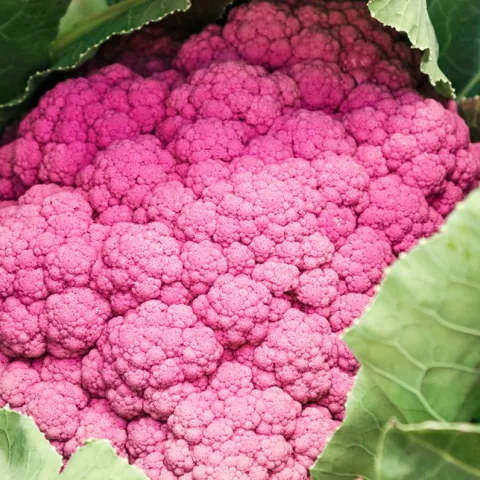
Cauliflower is a cole crop in the Brassicaceae (cabbage) family along with broccoli, Brussels sprouts, kale, kohlrabi, and cabbage. Of these, cauliflower is the most sensitive to low and high temperatures and does best when there is moisture in the air.
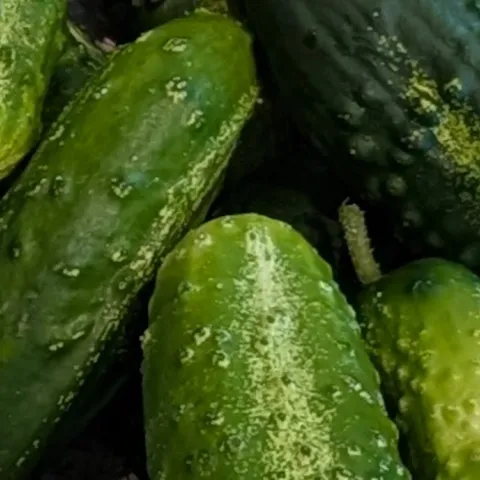
Cucumbers of many types and varieties grow easily in sunny gardens, producing bountiful crops for many weeks in summer. Choose varieties according to their growth habits and how you plan to use them. Pickling, slicing, long (English, Persian, Armenian, Asian), round (lemon).
Spring & Summer Gardening 2022 Spring & Summer Vegetables (2021)Develop a Vegetable Garden in a Small Backyard (2024) Develop a Vegetable Garden in a Small Backyard Handout All About Berries (2024) All About Berries Class Outline All About Berries Resources Edible Landscaping Presentation (2016) Edi...
Join us for these great gardening talks and get your questions answered afterward. Talks will be held outdoors on our parcel. Most will last about 45 minutes. Let our free Plant Sitting booth watch your purchases while you attend talks or visit the gardens.
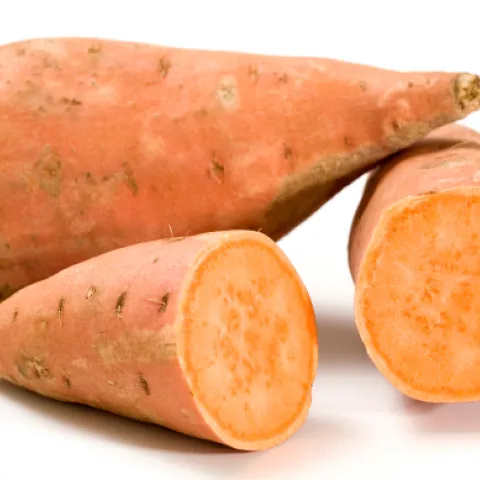
Sweet potatoes are grown from ‘slips’, the term for sprouts from a sweet potato. Due to pest quarantines, most nursery companies cannot ship slips to California. But they are easy to grow yourself. Start slip production in February to March. Transplant to garden in May to June.
Turnips are a cool season root vegetable that grows best between 50 and 65°F. Higher temperatures may produce strong-flavored roots. The leaves are edible and are referred to as “turnip greens”.
The Sherwood Demo Garden is comprised of 16 individual gardens. The Orchard Garden is currently made up of 25 fruit trees consisting of Pome, Stone, Citrus, and more. One of the educational goals of the Orchard Garden is to demonstrate pruning (fall and summer), fall and winter dormant spraying, fruit…
When to plant:
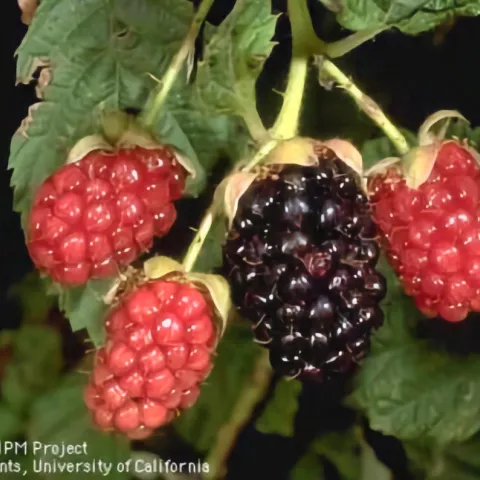
Blackberries and Raspberries: mid-January to March
Strawberries: late August (summer plantings) or late October (winter plantings)
Harvest window: May through September, depending on the variety
Fertilization: Nitrogen in spring, additional applications as needed.
The Nutrition Policy Institute (NPI) conducts research to support the development of and inform improvements to federal, state and local food and physical activity policies and guidance.