Healthy Eating

Sacramento 4-H: Page

4-H Club Program

We have 14 community clubs throughout Sacramento County. Clubs are led by adult volunteers, who act as the Community Club leader, Project Leaders or other volunteers. Our 4-H Program Year begins July 1 and ends June 30. Most clubs start enrollment sign-ups in August or September. Each club meets once a…
View Page
Primary Image
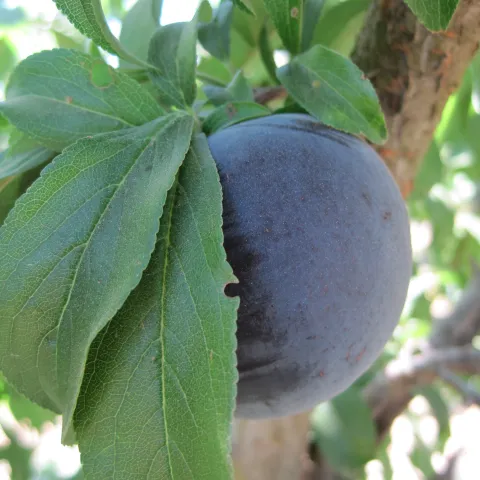
Plum on tree
UC Master Gardeners of Santa Clara County: Page

Plum and Prune

When to plant: January to March Harvest window: June to October, depending on variety Fertilization: Nitrogen in spring and fall, additional applications based on tree age, health, and soil quality Dormant Pruning (January to February) to encourage vigor; Summer pruning (post-harvest) to control vigor.
View Page
Primary Image
Children in cafeteria eating school meals. Photo credit: USDA.
Nutrition Policy Institute: Page

School Meals for All

California is among the first in the nation to adopt a universal school meals program, or school meals for all, offering breakfast and lunch to all TK-12 students at public and charter schools every instructional day, at no charge, regardless of household income. The University of California's Nutrition…
View Page
Sacramento 4-H: Page

4-H Cooking Academy

The 4-H Cooking Academy Project is a cooking-based nutrition education program that teaches youth basic nutrition and cooking skills. The 4-H Cooking Academy aims to improve youth attitudes, knowledge and skills in food choices and preparation.
View Page
Primary Image
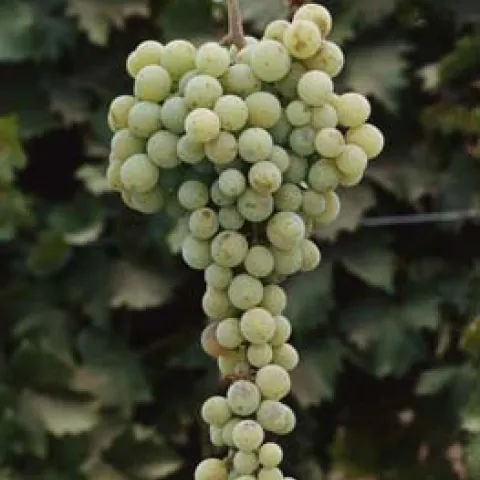
Muscat Grapes. Photo CA Garden Web
UC Master Gardeners of Santa Clara County: Page

Grapes

When to plant: February to March Harvest window: July to October, depending on variety Fertilization: Light (if any) nitrogen in the spring; monitor for possible zinc and potassium needs Prune in the dormant season, using the pruning system (cane or spur pruning) based on the grape variety.
View Page
Nutrition Policy Institute: Page

University of California Research Consortium on Food, Beverages, and Health

TheUniversity of California Research Consortium on Food, Beverages, and Health, formed in 2018, aims to provide legislators and communities with the science base for policy and programs to decrease consumption of sugary drinks and increase consumption of water. The group includes faculty from every UC campus…
View Page
Primary Image
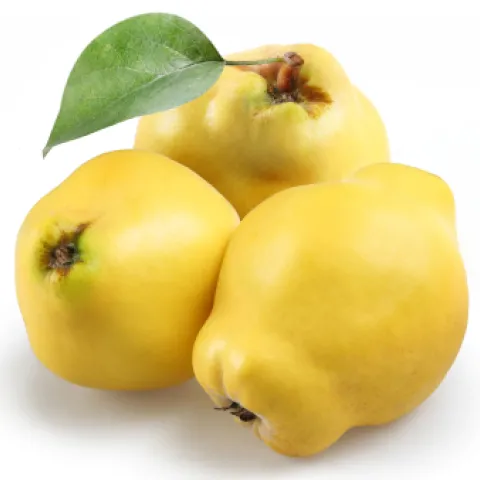
Three yellow quince fruits
UC Master Gardeners of Santa Clara County: Page

Quince

Quince fruits grow on a small tree or shrub (8 to 12 feet tall) with twisted, bumpy branches. Grown as a flowering ornamental or for fruit processing. Adapted to many climates. Adapted to many climates. Tolerates “wet feet” better than most other deciduous fruit trees.
View Page
Primary Image
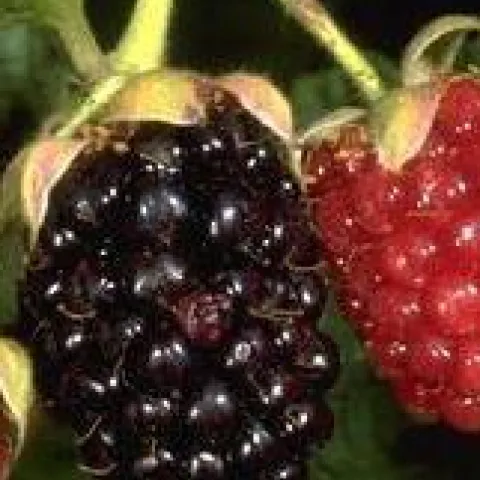
Ripe and unripe blackberry on plant
UC Master Gardeners of Santa Clara County: Page

Blackberries and Raspberries

Three main types of raspberries are grown in the United States: red, purple and black. They differ in ways other than fruit color. Red raspberries have erect canes and are propagated by suckers. These are usually grown in the Western States. Black raspberries have arched canes that root at the tips. Purple…
View Page