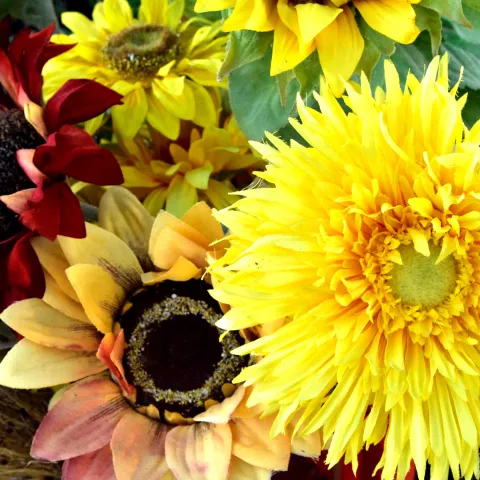
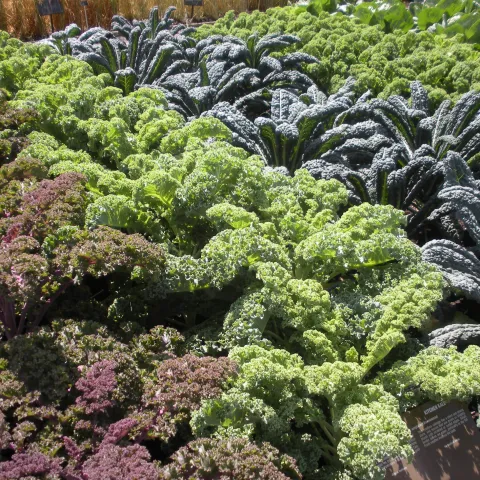
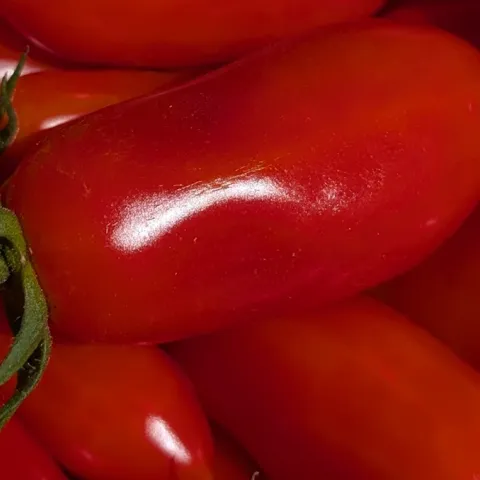
Our annual Spring Garden Fair is held at our Martial Cottle Park Demonstration Garden in San Jose. You can shop our plant sale, stroll through our gardens, attend a talk, and bring your plant, soil, pest, and tool questions to our Information tables.
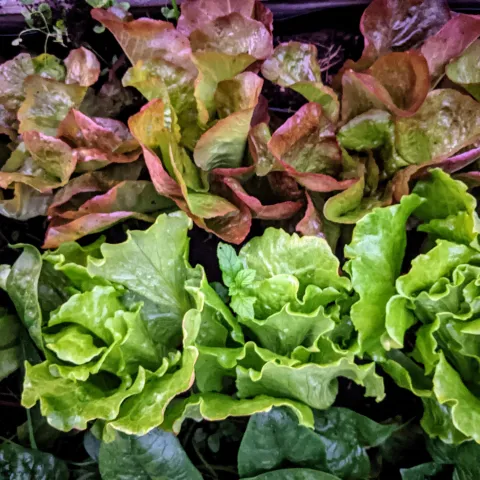
Lettuce is usually grown as a cool-season crop in Santa Clara County. If grown in the summer, it’s recommended to plant where it will get shade from other crops or trees and to select temperature-tolerant, slow-bolting varieties. Lettuce is a shallow-rooted plant, which requires frequent watering when there…
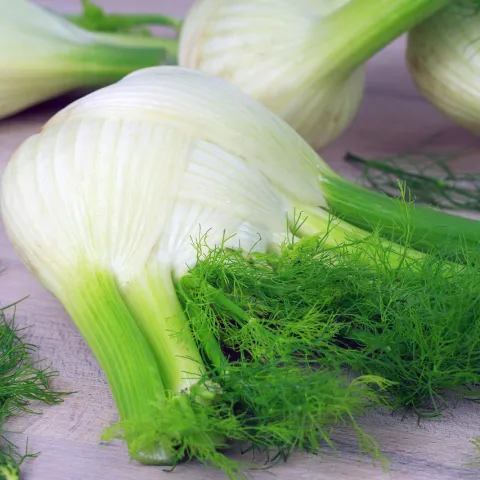
There are two types of fennel:
Florence fennel, also called bulbing fennel: grown primarily for the bulb-like base of the stalks which is eaten as a vegetable. Leaves and seeds can also be harvested.
Common and bronze fennel: grown just for the seeds or foliage (they do not form succulent bulbs), but are…
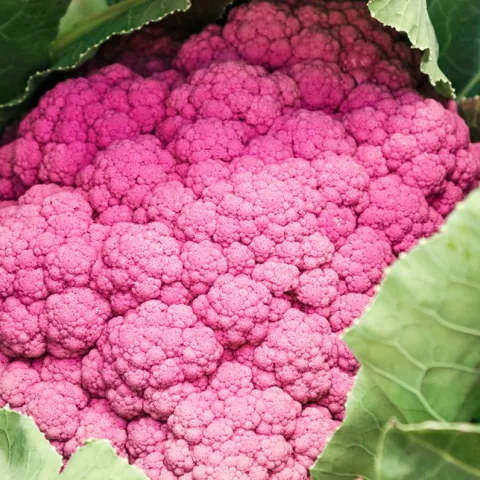
Cauliflower is a cole crop in the Brassicaceae (cabbage) family along with broccoli, Brussels sprouts, kale, kohlrabi, and cabbage. Of these, cauliflower is the most sensitive to low and high temperatures and does best when there is moisture in the air.
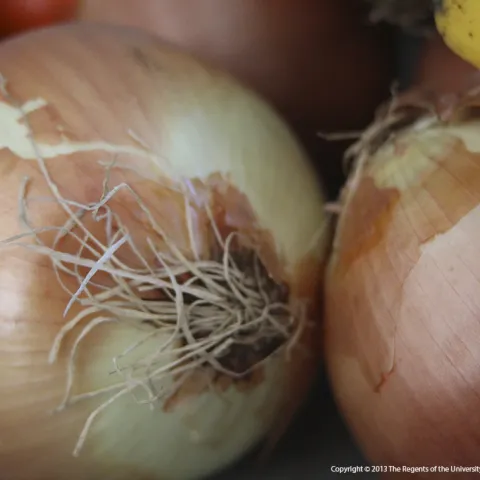
Onions can be divided into two categories: strong-flavored ones that store well and mild, sweet ones that don’t last long in storage. There are yellow, white, and red varieties in both categories.
Leeks are members of the Allium family that do not form bulbs like their onion and garlic relatives. Instead, they develop a 6 to 10 inch edible stem that can be up to 3 inches diameter.
Planting guide to help Sonoma County home gardeners understand how and when to plant food crops in their gardens including planting dates, direct seeding and transplanting, gardening tips and time to maturity information.