Gardening

UC Master Gardeners of the Lake Tahoe Basin: Article

Central Sierra: Vegetable Gardening Basics in Lake Tahoe

April 16, 2026
The Basics of Growing Edible Crops in Tahoe  by Kristianne H., UC Master Gardener of the Lake Tahoe BasinOvercome ChallengesA Short Window: The average frost-free growing season is only about 93 days.The frost-free window typically runs from June 18 to September 19. This is unpredictable! Freezing…
View Article
Primary Image
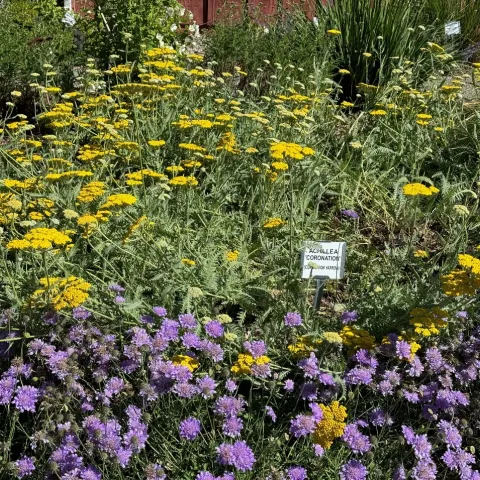
Achillea 'Coronation' and purple Pincushion flowers bloom in the Demo Garden. Laura Kling
The Real Dirt: Article

Spring in the Demonstration Garden

April 13, 2026
Spring is in full swing, and there’s lots to see at the Master Gardeners Demonstration Garden: buds, blooms, flowering shrubs, developing fruits, summer vegetable plants! Plus, wildlife: bees, birds, and butterflies. Here there is something for everyone to discover, enjoy, and perhaps try in their own yard…
View Article
Primary Image
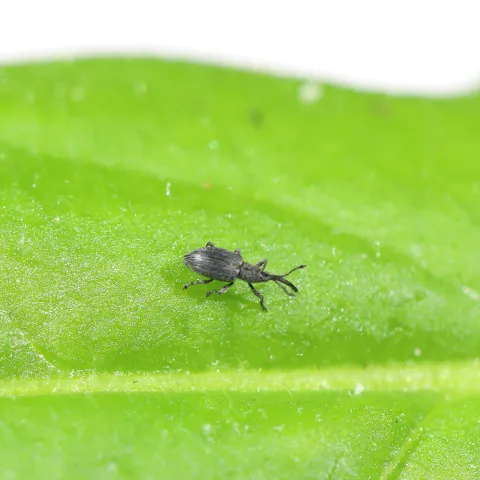
A small grey beetle with a long snout that curves downward standing on a green yellow starthistle leaf.

The Good Bugs That Control Invasive Pests (Part 2)

April 13, 2026
By Lindsey Hack
In Part 1 of this story, we covered some basics of biological control. Now let’s talk about some of the good bugs helping to control invasive pests in California. Controlling yellow starthistle one weevil at a time Yellow starthistle (or YST) is a harmful invasive plant that is established and…
View Article
Primary Image
UC-Master-Gardeners-Sonoma-County-in-print
UC Master Gardener Program of Sonoma County: Article

Advice to Grow By

April 11, 2026
The UC Master Gardeners of Sonoma County author articles written for the home gardener that are featured in the Press Democrat, our local Pulitzer Prize winning newspaper. Topics include plant selection, sustainable garden practices, pest management and more.
View Article
Primary Image
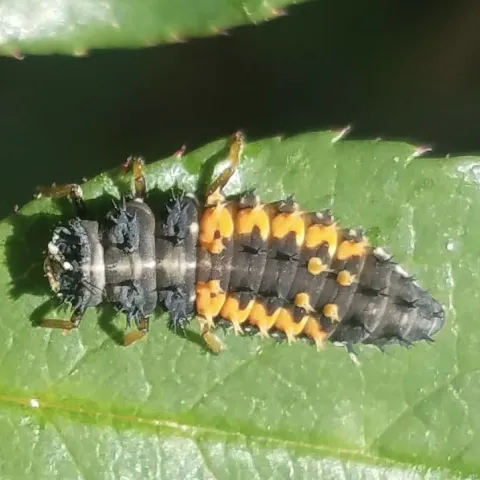
A small black and orange insect with a somewhat long, spiky body crawling on a leaf.

The Good Bugs That Control Invasive Pests (Part 1)

April 9, 2026
By Lindsey Hack
You have probably heard about the “good bugs” that eat pest insects around your home and garden, like ladybugs, lacewings, and spiders. You may have even purchased some beneficial insects or nematodes at a garden store. Good bugs can also help us manage invasive species, but the process is a bit more…
View Article
UC Master Gardeners of El Dorado County: Article

Central Sierra: How to Care for Your Seedlings | El Dorado County

April 8, 2026
Ideal care for your UC Master Gardener of El Dorado County Plant Sale Purchases   Light  Your seedlings are partially hardened off by being outside and exposed to the sun. Continue to take them outside as long as the temperature is above 50 degrees. Temperature  Most warm season…
View Article
Collection

Lake Tahoe Basin | Articles

Articles by the UC Master Gardeners of the Lake Tahoe Basin contain information and lessons about gardening in the region, and are based on the best science and research as well as experience of the area's Master Gardeners. 
View Collection
Primary Image
A Master Gardener with garden fair visitors
UC Master Gardeners of Santa Clara County: Page

Volunteer With Us

If you're interested in volunteering with us, this page has information about joining the Master Gardener program, or simply spending some time with us in one of our demo gardens.
View Page
Primary Image
The Real Dirt: Article

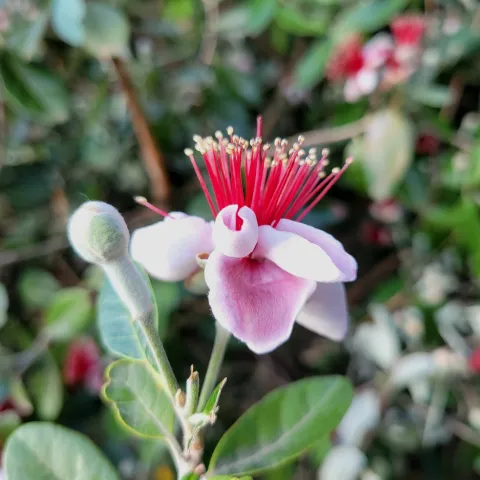
Feijoa for Home Landscapes

April 6, 2026
If you are looking for an interesting evergreen that can serve as a hedge or small tree, why not consider planting one or more Feijoa? Commonly known as Pineapple Guava, Feijoa (Feijoa sellowiana O. Berg.) is an evergreen subtropical shrub or small tree that produces an aromatic edible fruit with a somewhat…
View Article
Primary Image
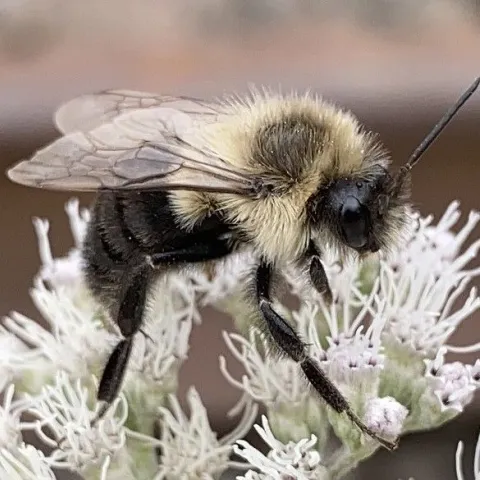
Common eastern bumble bee worker on a white staminate (having stamens but no petals) plant
The Coastal Gardener : Article

Queen bumble bees survive in flooded nests. How do they do that?

April 4, 2026
By Keyt Fischer
Have you ever wondered how queen bumblebees survive winter? Many queen bumble bees living in temperate climates spend the winter in underground nests and remain buried in a hibernation-like state called diapause. During diapause, the quiescent queen’s metabolism slows; in common eastern bumblebee queens, it…
View Article