New report: Rising tide of invasive pests requires dynamic, resilient, comprehensive system
May 11, 2026
By Michael Hsu

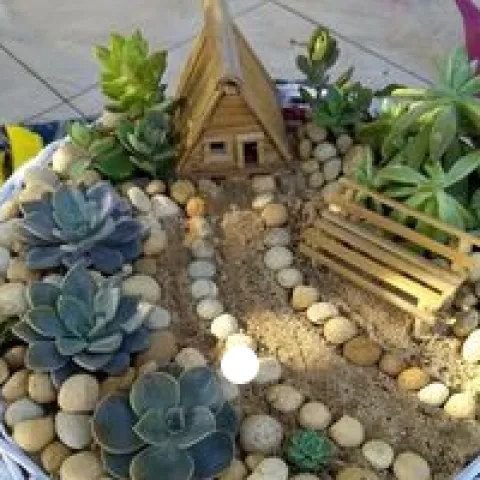
Almost all these tiny plants do best in indirect light and in moderate temperatures; in other words, indoors in the summer and winter. They may outgrow a small container but can be divided or pinched back to stay in scale. Do keep their feet damp but not wet, except the air plants, which prefer only misting or a weekly rinse. Most of these plants will live 3-4 years, the exception is the gloxinia which last only one season but may regrow after dying back. Most will need to be divided after a while, so you can use the cuttings for new plantings, or change out the look in your garden for variety.
Most of these will do well in shallow soil, 3-8 inches deep. It should be well-drained, in a saucer, so you can water frequently in warm weather but not allow the roots to be waterlogged. Use indoor potting soil, or a succulent potting mix if you will be planting echeveria and aloes.
Do not use “planting mix,” “garden soil,” or “top soil” as your primary soil component. These are too heavy or otherwise unsuited as a container medium. You can mix these with vermiculite or other soil amendments, but it is easier just to buy the "potting mix." Do not use gravel in the bottom- it aggravates drainage issues.
Consistent, sufficient watering is important for containers because they can dry out quickly. Check containers daily. Stick your finger into the top inch of soil. If it feels damp there is no immediate need for water. If it feels dry, water until some runs out the bottom of the container. Note: If a container dries out completely and the soil becomes hydrophobic, water may run through the container without actually moistening the soil. You may need to soak the entire pot.
Have questions about building your imagination garden or anything else home garden related? Reach out to the UC Master Gardeners of El Dorado County by phone, 530-621-5512, or with the link to our Ask a Master Gardener survey.
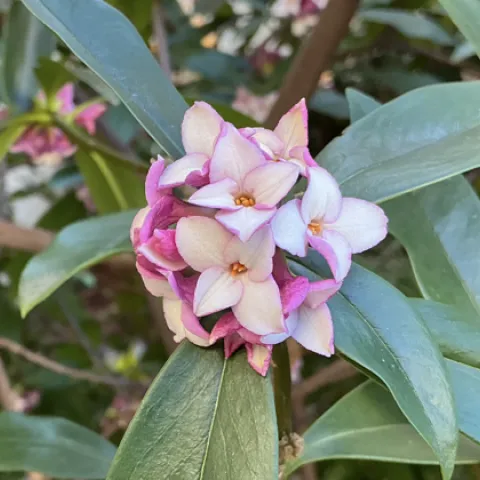
Ahhhh…Spring! Our California foothills spring flowering shrubs are not only stunning to look at but also provide alluring fragrances. In planning for the future, here are some of the most fragrant early blooming spring shrubs that you can add to your garden, which provide the promise that winter will soon be ending.
Let’s start with common Lilacs, Syringa vulgaris. There is nothing quite like the air being perfumed by these springtime favorites. They are also loved for their toughness and reliability. Once established, these shrubs can live for over 100 years. The floral stems are great for cutting and bringing inside to enjoy. Pollinators, such as butterflies, seek out lilacs. The blooms usually come in a fluffy variety of purple colors, pale to very dark. There are also varieties of white, cream, and pink.
Even though it is not in the same botanical family as common Lilacs, you may want to consider getting California Wild Lilac, Ceanothus spp. A native, drought tolerant, fragrant, perennial shrub, it can also act as a ground cover. This beloved native shrub turns the California hillsides blue. They do well in infertile conditions, have natural nitrogen fixing abilities and do not need feeding. They appreciate our Mediterranean climate. Bees and butterflies love them!
Who could resist the early blooms and fragrance of the Sweet Box plant, Sarcococca? Its tiny white flowers, with vanilla scent, fills the air for weeks in February and March. Dark green leafed, this evergreen ornamental shrub is outstanding. It thrives in partial shade, is tolerant of tree roots, low irrigation, and does well in a large container. Another plus, deer don’t seem to like really them.
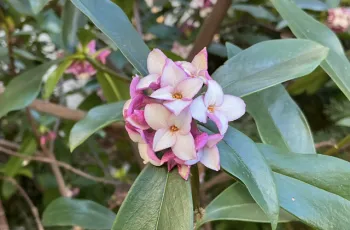
The intoxicating scent of Winter Daphne, Daphne odora, will make guests at your spring garden say, “What smells so good?” Clusters of the scented pink and white flowers open gradually, but when they do, you immediately know Daphne is blooming. The fragrance is exquisite. Good drainage is key in successfully growing this shrub. Add ample compost to lighten the soil, so it will drain quickly. Ideal in large pots, situate it in partial shade near your door, so you can enjoy its delightful floral perfume as you are leaving or coming home.
Once established, the luscious four-petaled, citrus scented white blooms of the native California Mock Orange, Philadelphus lewisii, can beautifully frame a garden gate or trellis. This native plant was discovered and collected in 1806 by Lewis & Clark during their famous overland expedition to the West. It is a tough, drought tolerant shrub that needs little supplemental water. The early season nectar supports pollinators including bees, birds, and insects. The arching woody branches provide nesting cover for birds. Easy to grow, plant in full or partial sun, using average garden soil.
If one of your gardening goals is to experience a scent-sational, springtime yard, consider adding some of these uniquely fragrant shrubs. The moment you get a delightful whiff, you’ll wonder how you ever lived without them.
This article by UC Master Gardener of El Dorado County Pauline Atkins originally appeared in the Mountain Democrat in March 2026.