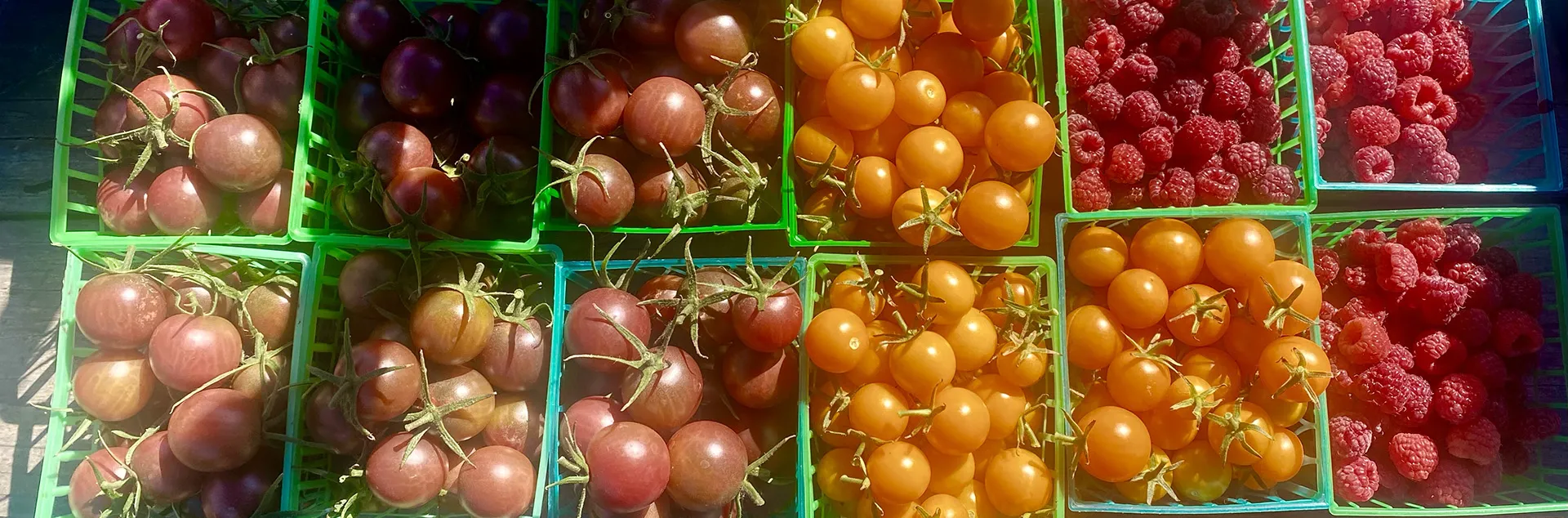
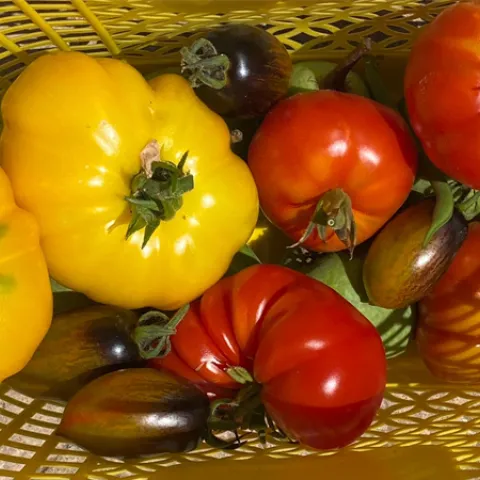
cherry tomatoes and raspberries from the Edible Demo Garden at Indian Valley College Novato CA
UC Marin Master Gardeners

Edible Demo Garden

The Edible Demo Garden at IVC Organic Farm & Garden

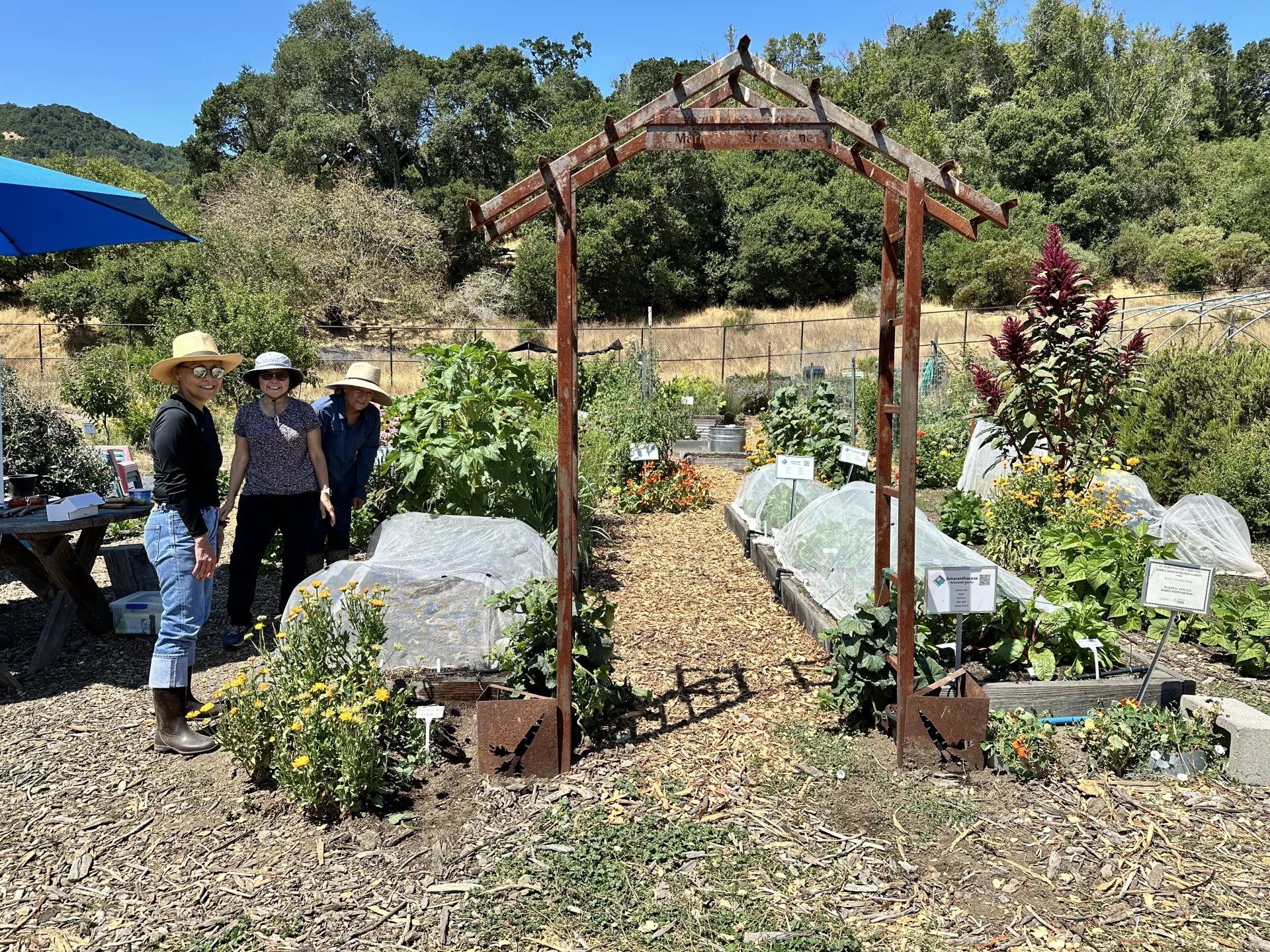
EDG Garden view

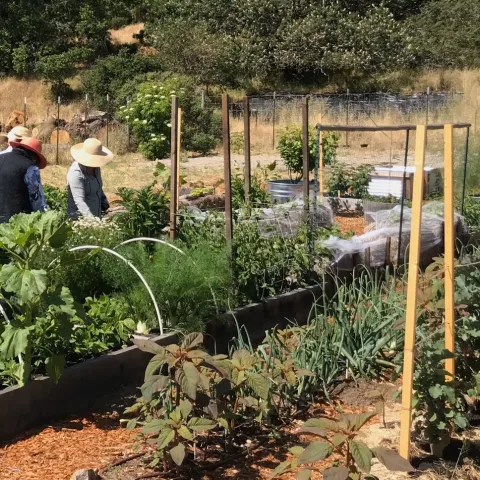
The 2100 sq ft Edible Demonstration Garden at Indian Valley Organic Farm and Garden (IVOFG) in Novato was designed and installed by UC Marin Master Gardeners in 2016 and is a hands-on teaching tool for UC MMG and the public.  The garden showcases sustainable agricultural practices while growing over 100 varieties of vegetables, flowers, fruit and herbs using a variety of growing situations that are options for Marin gardeners.

News from the Edible Demo Garden

What you can do at the Edible Demo Garden

edg MMGs working, Perrin copy

Visit the garden
Drop in any first Friday of the month between 9am-11am. We will give you a tour and answer any gardening questions.

Guided group tours
Private educational tours and training are available to groups. To schedule a private tour, contact us at EdibleDemoGarden@MarinMG.org

Buy our sustainably-grown, organic produce at the Farm Stand
All produce grown in the garden meets the Marin Organic Certified Agriculture (MOCA) requirements and is sold at the IVOFG farm stand or included in the farm's CSA boxes. The farm stand is open Saturdays 10am - 1pm July through October.

Learn from our workshops:
• Offered periodically on Saturday mornings during the year
• Learn how to plant, maintain and harvest vegetables, identify and manage pests and problems, and maintain soil fertility.
• Check for upcoming workshops/events on our events calendar

Email us at the Edible Demo Garden for more information

HOW TO GET THERE

College of Marin Indian Valley Campus
1800 Ignacio Blvd
Novato CA 94949

> Directions to Indian Valley Organic Farm & Garden
_____________________

OTHER UC MMG 
DEMONSTRATION GARDENS
> Harvey's Garden at Blackie's Pasture, Tiburon
> Falkirk Demonstration Garden, San Rafael

LEARN HOW TO GROW EDIBLES IN STRAW BALES

> BACK TO ASK US

September 2024: Tackling the Weeds

Primary Image
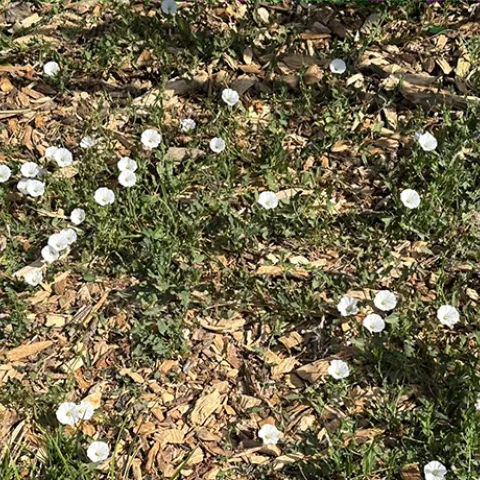
Field bindweed is a perennial garden weed also known as wild morning glory
Body

Weeds 1
No matter what season, there is always weeding to be done in the Edible Demo Garden. Weeds seem to pop up everywhere – in and between the raised beds, in containers, and even in the straw bales. They are the uninvited guests among the cultivated organic fruits and vegetables.

What is a Weed?

The definition of a weed is tricky – more a value judgement rather than a plant category. Weed is a label given to a plant that is undesirable where it is growing. Any type of plant can be considered a weed if it turns up as an unwanted volunteer and competes with crops and landscape plants for water and nutrients or harbors viruses that can infect other plants.

Weeds 3
Some plants such as purslane, which is considered by most to be a nasty weed, is also cultivated as an edible. Amaranth, a beautiful plant that has long been used for food by indigenous cultures, has a bad habit of showing up where it isn’t wanted. Even some popular native plants and wildflowers can get out of control and be considered “weedy”.

Although weeds are often described as invasive, the UC Integrated Pest Management Program considers invasive plants to be “a distinct group of weeds that occur in natural habitats”. They differ from common garden and agricultural weeds in that they are non-native and infest ecosystems causing damage to natural areas.

Annual vs Perennial Weeds

Annual weeds appear seasonally in summer or winter and are spread only by seeds. This makes a difference in how they can be controlled. The strategy is to get them out before they can go to seed. Common annual weeds include cheeseweed, crabgrass, purslane, and spurge.

Perennial weeds all have underground parts that enable them to spread through root systems as well as through seeds. These are the more stubborn weeds such as bermudagrass, field bindweed, dandelion, and yellow nutsedge. It takes some digging to completely remove perennial weeds.

Weed Management in the Edible Demo Garden

Weeds 2
Only non-chemical methods for weed management can be used in the organic garden. Physically suppressing and removing weeds is a never-ending task for garden volunteers. It takes repeated efforts to reduce weed populations. Sheet composting and mulch are applied to suppress weeds between the garden beds. A weed-whacker has proven to be a handy tool for getting rid of annual weeds before they produce seeds. However, hand-pulling and digging remain the best methods for eliminating the most persistent of the pesky weeds. Some volunteers even claim to experience some “Zen” moments while weeding.

Read more about controlling weeds by clicking here.

Additional information can be found on the UC IPM website by clicking here.

UC Marin Master Gardeners

August 2024: Worms – The Architects of the Underworld

Body

Image removed.Worms create tunnels through the soil. These tunnels provide space for air and rain to more easily penetrate through the soil to the roots of plants. Just as we need oxygen to breathe, worms breathe oxygen that dissolves into their moist skin. Worms are long and thin so there is plenty of moist skin absorbing oxygen from air percolating the soil.

When soil is turned over any exposed worms quickly wriggle underground since exposure to light would dry out their skin and without moisture, they cannot access oxygen and will die. This is also why worms prefer moist damp soil. In a drought, worms burrow deep into the soil to find moisture. When it rains heavily saturating the ground, worms need to find shelter above ground, hiding under leaves or other debris so they don't dry out. This is why after it has rained hard, birds poke around in fallen leaves, tossing them this way and that as they hunt for tasty worms. You may not like to touch, let alone eat worms, but birds love them.

When we eat, our body absorbs nutrients as our food travels through our gut. Worms are the same. They also absorb nutrients from what they eat passing through their gut. A worm is like a long pipe with a central tube through it. Worms seek vegetable matter in the soil they ingest that travels through their lip as worms move, they take in soil through their lip into their esophagus. In their gizzard, the mix of soil and vegetable matter is ground up and mixed with enzymes releasing nutrients that are absorbed as food as it travels through their intestine. Just like us, not all the nutrients we eat are absorbed. The remaining nutrients in worm poop are ideal plant food for plants whose roots absorb them.

Worms 2
Gardeners who build compost piles provide a smorgasbord of food for worms. Worms live about a month and multiply frequently where there is plenty of food, so compost becomes a rich source of nutrients that plant roots can absorb. Note: worm poop is typically sold as “worm casts.”

If you build a compost pile, remember just as you and I have favorite and disliked foods, so do worms. They dislike the citrus or onion families but love juicy fruits and chopped up green veggies. I once threw a few left-over radishes in my compost, only to discover months later, the same red radish as completely unblemished as the day I had discarded them.

Build Your Own Worm Bin

Raising your own vermicomposting worms can be an interesting hobby with earth-friendly gardening benefits. Learn how to create a habitat for worms at a hands-on workshop at Indian Valley College from 10 am to 12 pm on August 10, 2024. Look for “Build Your Own Worm Bin” listed under upcoming events on this website for more details and registration information.

Additional instructions can be found on the Marin Master Gardeners YouTube channel.


UC Marin Master Gardeners
Primary Image
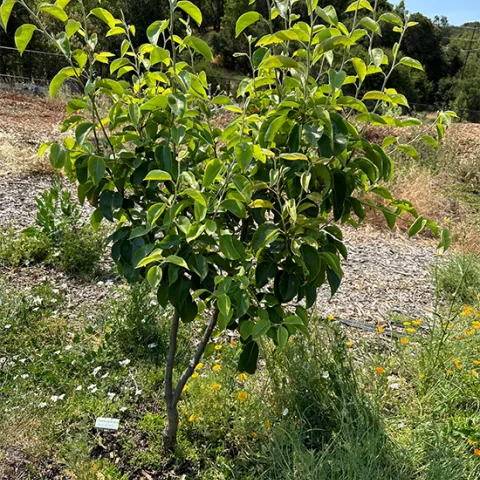
This Asian pear tree has been pruned for optimum size and shape.
UC Marin Master Gardeners: Article

July 2024: Fruit Tree Maintenance

June 24, 2024
All fruit trees require pruning for optimum vigor and fruit production. Pruning is also a way to control tree size, making care and harvesting easier.
View Article
Primary Image
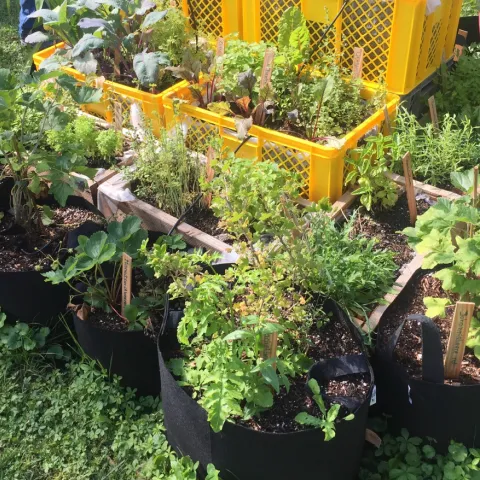
A combination of grow bags and other containers can be used to create a portable edible garden
UC Marin Master Gardeners: Article

June 2024: Growing Edibles in Containers

May 24, 2024
Maximizing the use of space to grow edibles is always a consideration in the Edible Demonstration Garden. Planting veggies in containers has proven to be an excellent way to expand the gardens growing capacity...
View Article

May 2024: Flowers and Edibles Make Good Neighbors

Primary Image
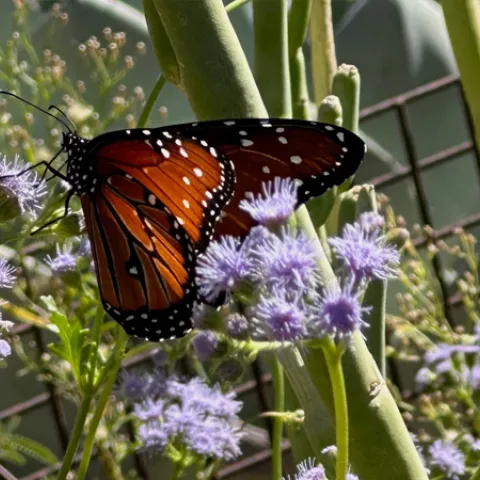
Nectar-producing flowers bring butterflies to help with pollination
Body

May Edible 1
Spring is here and plants in the Edible Demo Garden are beginning to bloom. Not all the blooming plants in the garden are edible crops – some are there for their flowers. The flowers add to the beauty of the garden, but they don’t just look pretty – they have important jobs to do. They attract pollinators, repel pests, provide a habitat for beneficial insects, and contribute to the biodiversity of the garden. It turns out that many flowering plants can be good companions for the edibles.


A variety of flowers are grown in the Edible Demo Garden. Some are perennials such as yarrow and lavender. Others are annuals that are grown from seed in the greenhouse and planted each year. These include zinnias, marigolds, and calendula. Then there are the flowering plants that self-seed and return on their own like the California poppies and the sunflowers. Sunflowers have been so successful in the Edible Demo Garden, that they sometimes show up where they are not wanted.


Favorite flowers for attracting pollinators

May Edible 2
It’s easy to tell which flowers are popular with bees – just head for the buzzing sound. The California lilac (Ceanothus), planted in the garden several years ago, blooms early, ensuring that there will be bees around when the spring vegetable crops start blooming. Although it’s also a culinary herb, rosemary (Rosmarinus officinalis), is another bee magnet. It turns out that many of the culinary herbs and herbs for tea produce flowers that attract pollinators. Mexican tarragon (Tagetes lucida), Anise hyssop (Agastache foeniculum), Coneflower (Echinacea)and Chamomile (Matricaria recutita) all do double duty in the Edible Demo Garden. Nectar producing flowering plants, like the Cleveland sage (Salvia clevelandii) and California Fuschia (Epilobium canum) also attract hummingbirds and butterflies to help in the pollinating work.


Flowering plants that discourage pests

There is increasing scientific-based evidence that certain plants are effective in managing pests in an edible garden. They can confuse pests, luring them away from their favorite target and disrupting their feeding and egg-laying behaviors. Studies have suggested that plants with strong odors can discourage pests by masking the scent of the desired host plant. Marigolds (Tagetes) have long been a pest-repelling favorite of gardeners, but the supporting science is scant. However, there is research showing their effectiveness against parasitic nematodes and some flies affecting vegetable crops. In addition to their ability to attract pollinators, Nasturtiums (Tropaeolum majus), have been found to reduce squash bug damage when grown with zucchini. Their edible flowers make them especially welcome in the garden.


The importance of diversity in the garden

Image removed.Mixing in some flowering plants with the edibles encourages beneficial insects that can keep pests in check. Members of the Asteraceae family, which includes yarrow, sunflowers, zinnias, calendula, and asters, support beneficial insects that dine on aphids. Flowering herbs provide nectar for parasitic wasps which help control caterpillar pests. Low -growing flowering plants such as thyme and oregano provide a sheltered habitat for ground-dwelling beneficials.


The right flowers in an edible garden are not just ornamental, they balance the garden. They help in creating a habitat that supports plant growth and production and reduces the need for pesticides and other pest-management strategies.


Click here for more information about plants that attract pollinators.

UC Marin Master Gardeners

April 2024: The Importance of Soil Testing

Primary Image
Garden soil can look healthy and still be lacking in nutrients essential for optimum plant growth
Body

Soil Test 1
The soil in the Edible Demo Garden gets a lot of attention. Compost and organic amendments are added regularly. Moisture levels are monitored, and rainwater is supplemented with drip irrigation and hand watering. Mulch and cover crops are used to protect the soil and tilling is kept at a minimum. The goal of these efforts is to maintain the structure and composition of the soil so that the growing plants have access to the air, water, and nourishment they need.

However, soil can look and feel healthy, and still be lacking nutrients essential for optimum plant growth. Plants suffering from malnutrition look unhealthy and show symptoms of deficiency. Growth may be stunted, leaves may be chlorotic (yellowed) or distorted, and shoots appear short and thin. Too little or too much of any one nutrient can cause problems. The best way to check for a lack of nutrients in the soil is to test a sample.


How are the nutrient components of soil tested?

Soil Test 2
Inexpensive do-it-yourself soil test kits are readily available in garden centers, and they can be a convenient way to determine soil pH and levels of the primary macronutrients: nitrogen, phosphorus, and potassium. More comprehensive tests which cover secondary macronutrients and micronutrients, can be performed by commercial soil testing laboratories.

Any soil test should start with a carefully collected soil sample. Use a stainless-steel trowel or shovel to obtain a sample at least six to eight inches below the soil surface. Avoid wet soil, if possible, the sample needs to be dry for testing. Taking samples from several places in a garden bed and mixing them can be useful in measuring overall chemical properties. However, samples from different garden areas (vegetable, perennial, lawn, etc.) should be kept separate. Soil testing laboratories generally provide specific instructions on sample collection.


Why does soil pH matter?

Nutritional elements in the soil need to be in a soluble chemical form to be absorbed by plant roots. There must be sufficient moisture in the soil to allow the roots to take up and transport the nutrients. The temperature of the soil also needs to fall within a certain range for uptake to occur. Finally, the solubility of the nutritional elements and the activity of the microorganisms responsible for the chemical transformation of nutrients are directly influenced by soil pH.  An essential nutrient can be present in the soil, but not in a form the plant can use. Each nutrient has an ideal pH range for plant availability. At pH levels that are too acidic or alkaline, some nutrients can become insoluble and not accessible to plant roots. Phosphorus, calcium, and magnesium are elements that become less accessible as soil increases in acidity, while the availability of iron, zinc, and manganese is reduced in more alkaline soils. The ideal pH for most plants is between 5.5 and 7.5.


What nutrients are commonly lacking in soil?

Soil Test 3
The nutrient most commonly lacking in garden soils is nitrogen. Most plants absorb nitrogen in the form of ammonium or nitrate. These forms readily dissolve in water and leach away. Excessive irrigation and heavy rains can lead to nitrogen deficiency in the soil. Phosphorus, potassium, calcium, magnesium, and sulfur are the other macronutrients that may be deficient, depending on drainage and pH levels. A lack of iron, zinc, or manganese, all considered micronutrients, results in interveinal chlorosis, a condition in which the leaf veins remain green while the rest of the leaf turns yellow. The uptake of these micronutrients is also affected by pH.


For more information on assessing soil health, click here.

For hands-on practice in soil testing come to the workshop co-sponsored by the Edible Demo Garden and the Edibles Guild. Click here to register.

UC Marin Master Gardeners
Primary Image
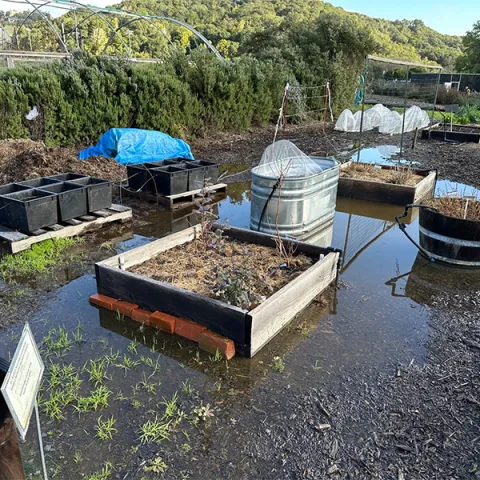
The flooded garden needed time to dry out after the February rains.
UC Marin Master Gardeners: Article

March 2024: Making Soil for Seeds

February 26, 2024
The rain in February flooded the areas around the garden beds in the Edible Demo Garden. Volunteers were busy digging trenches to redirect the water away from the planted areas and salvaging any crops that were still productive.
View Article

February 2024: Rotating Crops

Primary Image
yeararoundgardening
Body

While the rains limited some of the garden work during January, it was the perfect time to assess the condition of the garden beds and plan for the spring and summer crops. Some of the beds are dedicated to perennials such as blueberries, raspberries, and rhubarb. Others have typically been used to grow herbs and spices like mint, tarragon, and horseradish. However, most of the beds are reserved for annuals and that’s where the planning comes in.


In addition to deciding what to plant and securing the seeds, it’s important to determine the best location for the plants. The main considerations are light, water, and soil. All the existing beds receive plenty of sunshine and have access to irrigation. Soil condition then becomes key in deciding where crops should be planted. A goal in using soil more effectively is to rotate
crops and avoid planting the same crop in the same place season after season.


Why is rotating crops important?
Rotating crops can help retain soil fertility and prevent the buildup of soil borne diseases and pests. Plants differ in micronutrient needs and susceptibility to soil pathogens. The problems that affect plants from one family, may not be an issue for plants from another family. Moving a particular crop, such as cucumbers, to a different planting location each season, can reduce the possibility of infection by diseases that target members of the cucurbit family.


Categories for crop rotation
There are different ways to divide crops into groups for crop rotation. One way is to split crops into categories based on the part harvested. Leafy crops, for example, would be planted together and moved to a new location each season followed by fruit crops, root crops, and legumes. Another method is to group crops as heavy or light feeders according to their nutrient needs. Moving heavy feeders to beds previously occupied by light feeders can make better use of soil nutrients. The most common grouping for crop rotation is according to botanical plant family. Tomatoes, eggplant, peppers, and potatoes are members of the Solanaceae family. Solanaceous crops share the same pests and are susceptible to some serious soil borne viruses.
Preferably tomatoes should not be planted in the same place more than once every four years allowing time for soil diseases to die out. Other plant families to be planted and moved together are the cucurbits (squash and cucumber), alliums (onions, leeks, and garlic), brassicas (broccoli, cauliflower, and cabbage) and legumes (peas and beans).


Difficulties in rotating crops
The ideal rotation plan would involve a three- or four-year cycle. This can work well in a garden large enough to be divided into quadrants. When space is restricted, the cycle may need to be shortened and the number of plant groups reduced. At the very least, home gardeners with limited space should avoid planting the same crop or crops from the same family year after year in the same part of the garden.

In the Edible Demo Garden, straw bales and grow bags are used to increase the available planting space. Because the straw bales are replaced each year and new soil is added to the grow bags, there is no need to rotate the crops planted in these spaces. The straw bales work well for the cucurbit family plants and this frees up garden space for plants from other families. The plans this year are to use the grow bags for tomatoes.
Want to visit the Edible Demo Garden? You’ll find volunteers on site most Tuesday and Friday mornings from 9-11 am. The garden is located within the Indian Valley Organic Farm and Garden on the College of Marin campus in Novato.
Click on this link for more tips about crop rotation.

yeararoundgardening

Year around gardening in the Edible Demo Garden includes planning for crop rotation

leafygreens

Leafy greens can grow together and rotate as a group

strawbales

Straw bales serve as new beds for squash plants in the Edible Demo Garden

UC Marin Master Gardeners

January 2024: Planting Time for Artichokes

Primary Image
Almost all artichokes sold commercially in the US are grown in California Credit: rawpixel
Body

Artichoke 1
In December EDG volunteers planted winter garden edibles including carrots, fennel, cabbage, kale, and – artichokes. While artichokes may not be on every gardener’s cool season vegetable list, they are fun to grow, and December is the right time to plant them for an early spring crop. Since almost all artichokes sold commercially are grown in California, it was designated the official state vegetable in 2013.


What is an artichoke?

Artichokes are large plants in the sunflower family (Asteraceae). The edible parts are the large flower buds that form on the tops of tall stalks. The buds are typically green, but some varieties are violet-tinged. Buds that are not harvested for cooking and eating will open into attractive purple thistlelike flowers.

Although some may consider artichokes exotic and too much trouble to eat, they have been enjoyed since Roman times. Italian immigrants brought artichokes to Monterrey County where they grew well in the Mediterranean like climate. When artichokes first became popular in the US there was a problem meeting the demand and there are stories of a Mafia attempt to corner the market. Fortunately, we can now have all the artichokes we want to eat when they are in season.


What artichoke varieties grow well in Marin?

Artichoke 2
Artichoke plants need exposure to temperatures below 50 degrees to form buds, but they are easily damaged by frost and freezing temperatures. The plants also suffer in hot dry summers. Artichoke varieties differ in their tolerance for cold and heat but they like the coastal Bay Area climate. The standard variety is ‘Green Globe’, the variety most often found in the supermarket. The two varieties planted in the Edible Demo Garden are ‘Imperial Star’ and ‘Colorado Star’. These varieties mature faster and require fewer chill hours than ‘Green Globe’.


Are Artichokes Annuals or Perennials?

In California artichokes are commonly grown as short-lived perennials producing both spring and fall crops. After the spring harvest they are cut back to the ground and kept dry to encourage summer dormancy after which they are regrown in the fall for another crop. However, early maturing varieties like ‘Imperial Star’ and ‘Colorado Star’ also work well as annuals when planted in late fall. In the Edible Demo Garden, the two new varieties replaced older plants that had aged past their prime and suffered some gopher damage.


How to Grow and Harvest Artichokes

Artichoke 3
The artichokes planted in the Edible Demo Garden were grown from seed in the Indian Valley Organic Farm and Garden greenhouse. Seedlings are ready to plant in 8 to 12 weeks. The plants require a sunny location with fertile, well-drained soil. They need consistent watering and monthly doses of high nitrogen fertilizer. They also require some space since the plants are typically 3-4 feet wide and tall.

The buds on the artichoke plant are ready to harvest just as the lowest bracts begin to open. Once a bud opens more fully, the tenderness and flavor diminish.  Harvesting the top bud stimulates the lower buds to develop. Buds should be harvested by cutting the stem about 2 inches below the bud.

For more information on growing artichokes, click here.

UC Marin Master Gardeners

December 2023: Caring for the Soil

Primary Image
Caption: Buckwheat is a non-legume cover crop that helps to improve the soil in preparation for spring planting.
Body

After the fall harvest was over, it was time to clean up and replenish the soil in the Edible Demo Garden. Healthy soil is fundamental to the success of the next season’s crops. Even in beds that are temporarily fallow, the soil needs to be nurtured and protected. In November, volunteers were busy with three major soil-boosting activities - spreading compost, adding mulch, and planting cover crops.

Why add compost?

The value of compost cannot be overestimated. Most edible crops are heavy feeders and leave the soil depleted of nitrogen and other essential nutrients after they are harvested. Adding a layer of compost to the soil is an earth-friendly way to help restore those nutrients and support good soil structure. Since compost is decomposing organic matter, it needs time to make the nutrients available to plants. In the Edible Demo Garden, compost is applied to all the garden beds prior to planting the next season’s crop.

What is the purpose of mulch?

122023_Soil 1
Mulch is any material placed on the soil to protect it by conserving moisture, moderating temperature, and preventing erosion. Mulch is also used to suppress weeds. Mulch material can be organic or inorganic. Only recycled organic mulch is used in the Edible Demo Garden. Unlike compost, mulch is not intended to amend the soil and the materials used are generally coarser and break down slowly.

In late fall, Edible Demo Garden volunteers take apart the straw bales used to grow warm season vegetables. The used straw becomes recycled mulch. Initially, the straw was considered suitable as compost material, however, subsequent testing found it to be low in nitrogen. Although much nitrogen was added to the bales during the growing season, most of it was either taken up by the plants or washed out by watering and rain.

Why plant cover crops?

122023_Soil 2
Cover crops, sometimes referred to as “green manure”, are another excellent way to protect and improve soil. Cover crops are divided into two main categories: legumes, such as clover and fava beans, and non-legumes, like rye and buckwheat. Legumes have the added benefit of fixing nitrogen by taking it from the air and converting it into a form to be used by plants. Cover crops are turned over when they start to flower and allowed to decompose prior to spring planting.

For several years Edible Demo Garden volunteers have been cultivating a large garden area known as “the back 40”. Planting a cover crop of fava beans in the fall is one of the strategies for improving the poor soil in that area. Before the fava beans could be planted in November, some light tilling of the soil was necessary to improve the penetration and decomposition of the four wheelbarrows full of compost spread by the volunteers. Prior to planting, the bean seeds were soaked in an inoculant containing rhizobacteria to maximize their nitrogen fixation effects.

122023_Soil 4
122023_Soil 3

Paying careful attention to spacing and depth requirements, 150 inoculated fava bean seeds were planted in the back 40 by the volunteers. Some watering will be necessary until the rains begin, but a good crop of green manure should be available to nourish the soil in the spring.

For more information on building healthy soil, click here.


UC Marin Master Gardeners