Banner IJ
UC Marin Master Gardeners

Marin IJ Archive

UC Marin Master Gardener Articles in the Marin Independent Journal

UC Marin Master Gardeners have contributed to the Marin Independent Journal's "Ask a Master Gardener" column every Saturday since 1999. We have a team of dedicated writers who have covered nearly every aspect of gardening for Marin County over the years. View articles through March of 2025 below.

> BACK TO ASK US
 
Primary Image
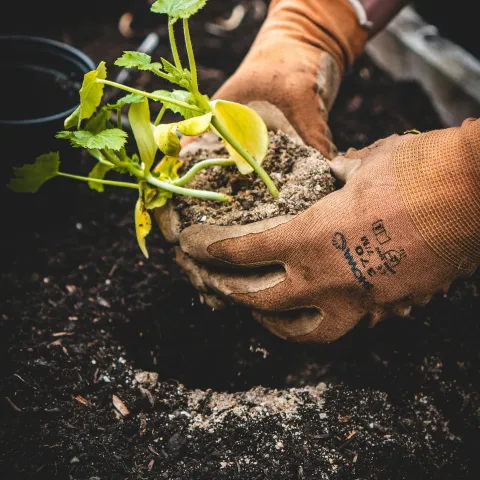
gloved hands holding a seedling in a clump of soil
UC Marin Master Gardeners: Article

Why becoming a Marin Master Gardener enriches your life and our community

August 3, 2026
 Do you love gardening? Would you like to get certified as a UC Marin Master Gardener?What is a UC Marin Master Gardener anyway?All certified UC Marin Master Gardeners (MMGs) love to garden, but they all also volunteer to extend research-based knowledge on home horticulture, pest management, and…
View Article
Primary Image
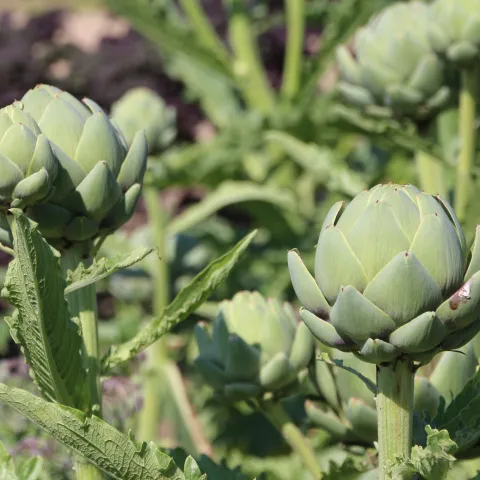
artichokes growing on a plant
UC Marin Master Gardeners: Article

The second spring: Why August is the time to plan for fall vegetable gardens

July 27, 2026
 If you've been sad thinking the end of summer means the end of your vegetable garden, don't be. In Marin, August isn't the season's last chapter. It's the beginning of a second one, and if you play it right, you'll be cutting heads of broccoli and harvesting handfuls of kale while your neighbors are…
View Article
Primary Image
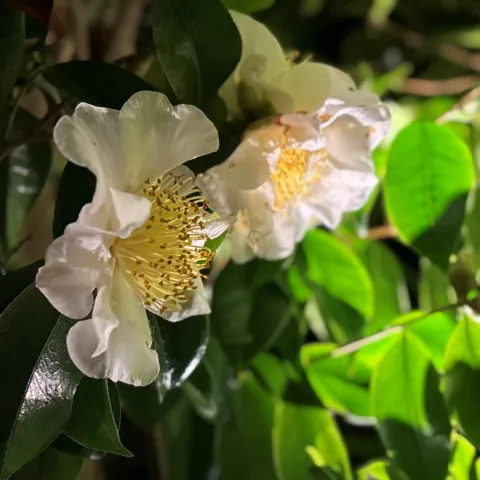
Camellias blooming in partial shade
UC Marin Master Gardeners: Article

Fog and flora: Gardening in Marin’s microclimates

July 20, 2026
 Marin County sits on the doorstep of many of California’s natural wonders: giant Coastal Redwoods, the peaks of Mount Tam, the San Francisco Bay with its boggy marshes, and the Pacific Ocean unfurling towards the horizon. While many of us chose to live in Marin precisely because of these…
View Article
Primary Image
Salvia Greggii loses some of its leaves as it slows down heading into summer
UC Marin Master Gardeners: Article

Your plants aren't dying. They're resting.

July 13, 2026
 If you've been walking through your garden lately and noticed a few plants looking tired, thinning out, or even turning brown, don't fret. Around Marin County, this happens every summer, and most of the time nothing is wrong. In fact, many plants are doing exactly what they're supposed to do.Gardeners…
View Article
Primary Image
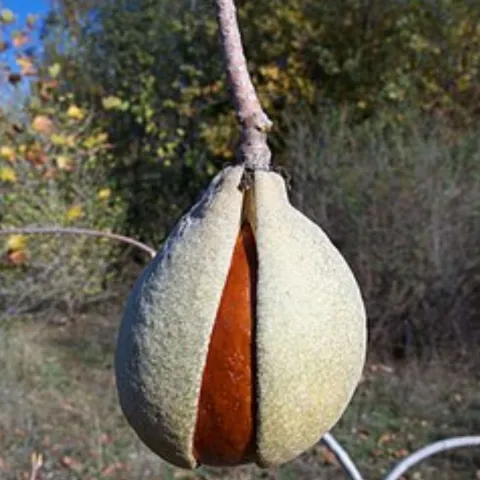
California Buckeye seed pod
UC Marin Master Gardeners: Article

The story of the California Buckeye Tree

July 6, 2026
 The California buckeye Tree (Aesculus californica) is one of the most distinctive trees native to Marin County. Found along hillsides, creek edges, and in the oak woodlands, it is a species adapted for survival. It is designed to handle drought conditions, attract pollinators, and produce seeds that…
View Article
Primary Image
Master Gardener booth at the Marin County Fair
UC Marin Master Gardeners: Article

So much to celebrate!

June 29, 2026
 Wow!  We all know it is a big year for Team USA to celebrate our 250th Anniversary.  For your Marin Master Gardener team, it is a big year to celebrate our 40th Anniversary of service to our Marin neighbors.  What better place to highlight both accomplishments…
View Article

The glassy-winged sharpshooter lands in Marin

Primary Image
symptoms of Pierce's disease include delayed bud break, scorched leaves, and reduced yield
Body
glassy-winged sharpshooter
The glassy-winged sharpshooter is an invasive pest that threatens vineyards throughout California. Photo: DrWurm, Flickr

In the natural world, tiny insects can have an outsized impact. Usually, that impact is good, but sometimes insects create chaos.

Today we’re waging a new war on an old foe: the glassy-winged sharpshooter (Homalodisca vitripennis). Despite its charming name, this pest is a proven enemy. A half-inch-long leafhopper native to the southeastern US and northern Mexico, it has been creating problems in California for three decades. 

This insect isn’t much of a looker. It has a flat triangular head and large eyes, all of which blend perfectly with twigs and branches. The females lay egg masses in groups of 8 to 12 eggs on the underside of leaves. 

The glassy-winged sharpshooter isn’t picky about where it lives or what it eats. It’s found in agricultural crops, woodlands, watery settings, and home gardens. It feeds on hundreds of familiar plants, including grapes, citrus, crepe myrtle, pittosporum, and dozens more. 

This pest makes a mess

sticky residue from the glassy-winged sharpshooter gives plants a whitewashed appearance
This insect expels watery waste that leaves a sticky residue and gives plants and fruit a whitewashed appearance. Photo: David Rosen, UCANR

A voracious drinker, it sinks its needle-like mouthparts, called a proboscis, into plants and extracts massive quantities of water – up to 300 times its body weight every day. Then it expels a non-stop flow of watery waste often described as rain that gives leaves and fruit a whitewashed appearance. And as it evaporates – on patio furniture, your kids’ playhouse, or anything else below -- it leaves a sticky residue behind.

This resulting exudate or excreta is not always damaging, but come on. Would you want a gummy coating of insect excrement covering your potted plants or car parked under a tree? I didn’t think so. 

But that’s not even the problem. 

And it kills grapevines 

symptoms of Pierce's disease include delayed bud break, scorched leaves, and reduced yield
The symptoms of Pierce's disease include delayed bud break, scorched leaves, and reduced yield. This disease kills grapevines in three to five years. Photo: Center for Invasive Species Research, Flickr

The real problem occurs when the glassy-winged sharpshooter feeds on grapevines. Why? Because it transmits a lethal bacterium called Xylella fastidiosa that causes Pierce’s disease, which kills grapevines in three to five years. There is no cure. 

Symptoms include delayed bud break, scorched leaves, and reduced yield. Other crops, such as almonds, citrus, and stone fruit, can be negatively affected by Pierce’s disease, but it is always fatal for grapes. 

The glassy-winged sharpshooter was first reported in California in 1994. By 2002, it had infested more than 1,100 acres of grapevines. According to the US Department of Agriculture, Pierce’s disease costs California’s grape industry over $100 million per year.

This is way beyond your favorite bottle of chardonnay going up in price. California’s 9,000 wine producers oversee $73 billion in annual economic activity. Table, raisin, and wine grape growers in California tend 658,000 acres of vineyards. These growers and wine makers create 846,000 jobs. Vineyards and wineries are beloved tourist destinations, as we can attest, being neighbors to world-famous Napa and Sonoma Counties. 

Farmers use biological controls to combat this pest, such as introducing wasps that parasitize the eggs or spiders and bugs that eat the sharpshooters.

Please help

Recently, glassy-winged sharpshooters were found on grapevines sold at Costco. If you purchased one, please don’t throw it away or return it. Instead, seal the plant in its original pot inside two garbage bags and call your county Ag Commissioner to have the plant destroyed. In Marin County, the number is 415-473-7888.

To search for these pests in your garden, focus on the area six to twelve inches from the tips of new shoots. Use yellow sticky traps, available at nurseries and online. Avoid pesticides, which can kill the beneficial insects that eat these pests. 

Remember: one infested plant in your garden could allow the glassy-winged sharpshooter to spread. Please help our farmers by staying vigilant. 

By Marie Narlock, June 20, 2026

UC Marin Master Gardeners
Primary Image
Seeds from Lakota, Butternut and Acorn squashes ready to wash and save for sharing and growing
UC Marin Master Gardeners: Article

The history and challenge of seed banking

June 15, 2026
 This July, our country celebrates its 250th anniversary of independence, an independence expressed when colonists dumped British tea into Boston Harbor to protest Britain’s parliamentary tyranny. The British shut the port and suspended town meetings and elections. Massachusetts called for a…
View Article
Primary Image
young plant covered in aphids
UC Marin Master Gardeners: Article

Is that fertilizer really organic?

June 8, 2026
 I was recently gifted a five-pound container of a popular fertilizer. Some gardeners swear by it, saying it makes plants grow like crazy. The label listed ingredients like seaweed powder and blood meal - things that sound natural - so I paused before using it. Was this actually an “organic”…
View Article

Underdog herbs for the home cook

Primary Image
Chives have edible stalks and flowers
Body
winter savory flavors soups, stews and meat dishes
Savory was used in Egyptian love potions, Greek medicine, and to flavor wine in ancient Rome. Today it flavors soups, stews and meat dishes. Photo: Anna Hartley-Simon

It’s early summer, and many of us are establishing our herb gardens or windowsill collections. I’m all about a classic basil, a fresh oregano, or a familiar sprig of rosemary in my meals, but adding a few unsung herb-heroes to your garden this summer will take your garden – and your dishes – to the next level.

Savory (Satureja)

With a long history in ancient civilizations, savory was used in Egyptian love potions, Greek medicine, and in ancient Rome to flavor wine. Both winter and summer savory have pointed leaves and a peppery flavor – summer savory is a bit sweeter and more delicate, while winter savory has a sharper, almost piney taste. Both varieties prefer full sun and well-drained soil and require regular pruning to promote bushy new growth and good airflow. 

Both the leaves and flowers of savory plants are edible, though the taste is more pronounced if you harvest the herb before it flowers. Use the leaves to flavor beans, soups, meat, and poultry dishes.

fresh herbs cut from the garden
Fresh herbs from the garden are a classic summer treat. Harvest frequently for easy salad toppers, toss in stews, or blend for a casual pesto. Photo: Anna Hartley-Simon

Marjoram (Origanum majorana)

Marjoram is a woody aromatic herb and a kissing cousin to oregano, with a sweeter and more floral flavor. Like all woody annuals, marjoram can get rangy if it’s not kept low to the ground. Remedy this in early spring by cutting woody stems at the base, just above a new set of leaves. Plant marjoram in full sun and well-drained soil, and water moderately

To preserve the best marjoram flavor, pinch off the delicate white flowers before they form. You can harvest the individual tender leaves for egg and chicken dishes, or lop off a whole stem to add flavor to your soups and stews. 

Lemon Verbena (Aloysia citrodora)

If you’ve ever brushed by lemon verbena on a summer day, you’re likely to remember the lush, lemony scent. The leaves of this aromatic evergreen shrub were used in Victorian-era perfumes and sewn into the seams of clothes to keep them fresh. A native of South America, lemon verbena can grow several feet tall, so be sure to prune often to prevent leggy growth and contain the size. Plant in fertile, well-drained soils, full to part-sun, and water moderately. 

Lemon verbena is best used to make sweet infusions (steep leaves in warm milk or cream for desserts), or teas (steep leaves in near-boiling water for 5-10 minutes). If you want to cook with the leaves, simply remove the mid-rib, chop finely and add to fish or poultry dishes, grind into a pesto, or pair with fresh fruit or jam. 

Chives have edible stalks and flowers
Chives thrive nearly year-round in Marin, with edible stalks and flowers that can be tossed in salads, or used to infuse vinegar with a peppery zing. Photo: PixaBay 

Chives (Allium schoenprasum)

Chives have been used as a medicinal and culinary plant for thousands of years. These perennial, evergreen herbs are easy to establish, growing in clumps that become larger every year. Chives are part of the same family as onion, garlic and scallions, with edible leaves and flowers that bring a subtler flavor and a zing of color. Chives grow best in full sun, though they can tolerate some afternoon shade. Use well-amended soil and keep moist to dry conditions to help these herbs thrive. 

To harvest, snip a few leaves that are growing from the exterior of the plant, just above the soil line. Don’t be shy – cutting several times throughout the cutting season will help promote bushy growth. 

Nothing quite compares to snipping fresh chives directly onto a simple meal, sun-warm from the garden. Add to eggs, baked potatoes, spreads, and salads, or use the purple flowers to infuse vinegar, or as a beautiful, edible garnish. 

So what do you do on that midsummer afternoon when you suddenly have more herbs than you think you can eat? Grab several handfuls of each, toss them in a blender with some lemon, salt, pepper, and avocado for a fresh green goddess that will knock the socks off your next salad or frittata. And if all else fails, let them all flower, and invite local pollinators for a meal.

By Anna Hartley-Simon, June 1, 2026

UC Marin Master Gardeners