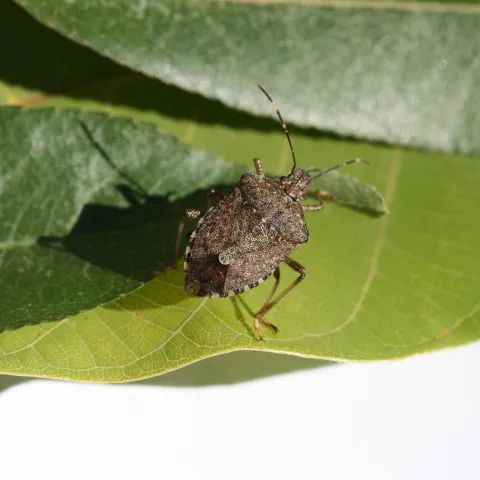
Help raise awareness of invasive species by participating in the California Invasive Species Action Week (CISAW) held June 6-14, 2026! Invasive species are non-native pests that can negatively impact our waters, native ecosystems, agriculture, health, and economy. Each day during the week, UC IPM will…
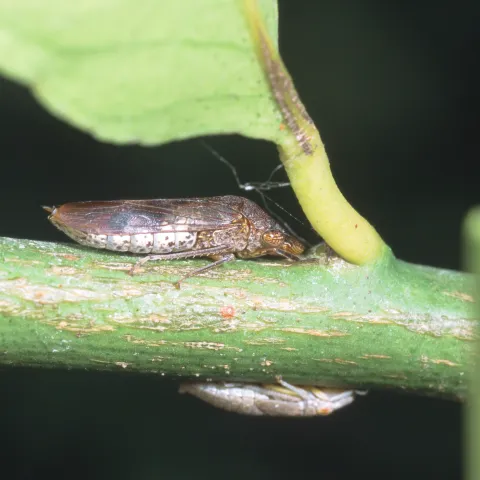
Updated May 29, 2026 at 4:30pmAn invasive insect called the glassy-winged sharpshooter (GWSS) has been found on grapevine shipments sold at select Costco locations in Northern California between April 21 and May 21, 2026. Note that the timeframe for grapevine plants sold at Costco has been extended to April…
Every year, Emerald Ash Borer Awareness Week reminds us that one small insect can have a massive impact on our communities. The emerald ash borer (EAB) is an invasive metallic green beetle that has caused the death of millions of ash trees across North America, killing nearly 100% of unprotected street trees…
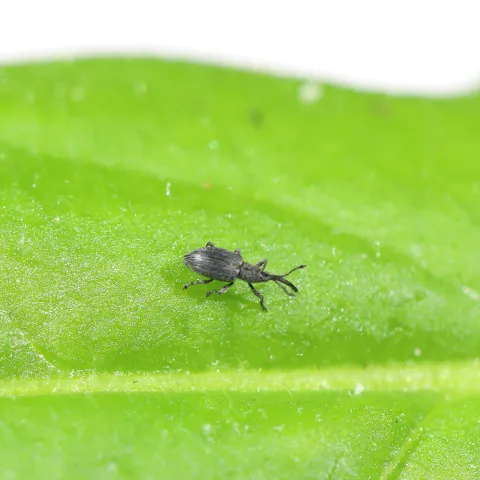
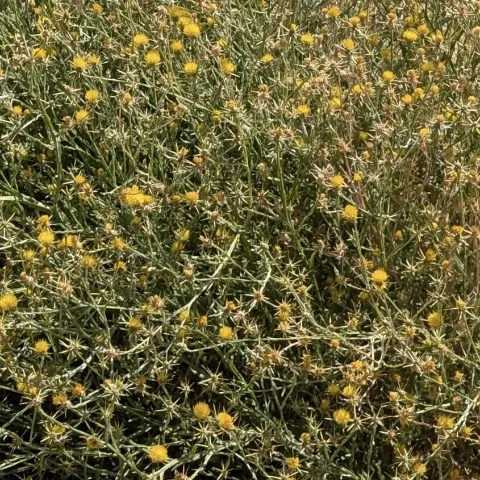
In Part 1 of this story, we covered some basics of biological control. Now let’s talk about some of the good bugs helping to control invasive pests in California. Controlling yellow starthistle one weevil at a time Yellow starthistle (or YST) is a harmful invasive plant that is established and…
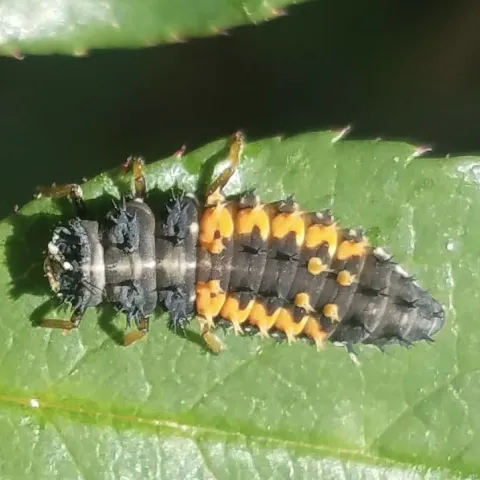
You have probably heard about the “good bugs” that eat pest insects around your home and garden, like ladybugs, lacewings, and spiders. You may have even purchased some beneficial insects or nematodes at a garden store. Good bugs can also help us manage invasive species, but the process is a bit more…
California is famous for its scenic wilderness and biological diversity. Unfortunately, our state’s unique ecosystems are in danger, and invasive species are among the biggest threats to our environment. Invasive species can cause all kinds of environmental damage, such as harming wildlife, disrupting our…
This week (February 23-27, 2026) is National Invasive Species Awareness Week (NISAW), an event dedicated to raising awareness about invasive species, the threats they pose, and how we can slow their spread. When it comes to invasive species, your actions can have a big impact! What Can You Do? Take…
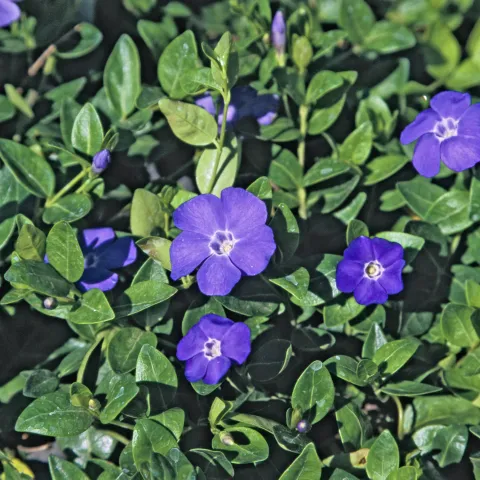
You might be surprised to learn that a few of your favorite ornamental plants are invasive to California and can “escape” your yard causing big problems in the wild. When plants escape landscape and garden boundaries, it is often due to seed distribution or aggressive roots. An invasive plant species can…
Invasive species are reshaping California’s natural and urban landscapes. UC IPM’s new Invasive Species Mini-Series explores the many ways invasive species impact our lives, from harmful garden pests and aquatic hitchhikers to destructive tree pests, invasive weeds, and the policies that guide prevention and…
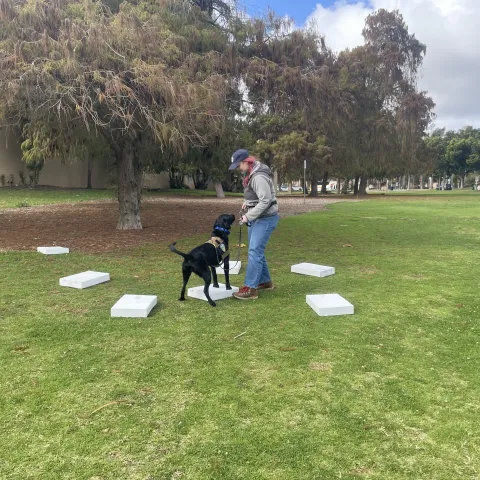
Dogs use their keen sense of smell to help humans every day. Their powerful noses alert us to danger, aid in search and rescue operations, and even have the potential to diagnose diseases. But did you know that some dogs have been trained to sniff out potential invasive pests? Enter—the detector dogs! …