UC ANR is committed to providing an accessible and inclusive web experience for all users. If you encounter an accessibility barrier or need content in an alternative or remediated accessible format, please contact anraccessibility@ucanr.edu.
By Niamh M Quinn, Roger A Baldwin, Carolyn Whitesell
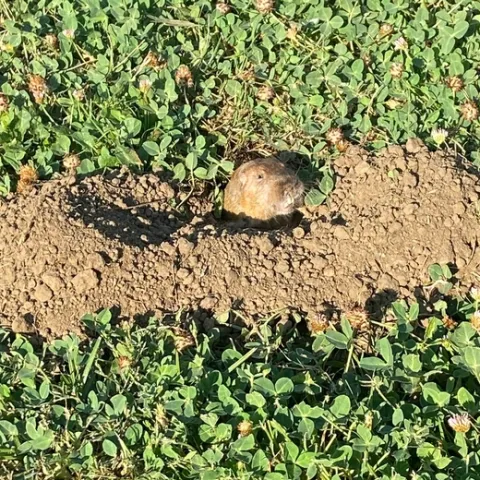
Pocket gophers can cause significant damage to valuable turf, girdle trees, and chew irrigation lines. Their mounds can create tripping hazards and lead to erosion concerns when found on slopes.
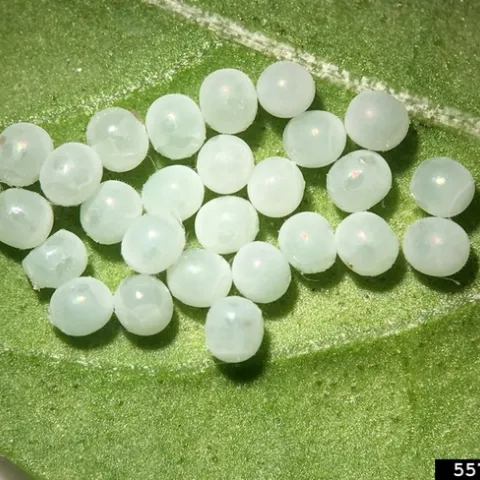
It's time for UC IPM's annual insect Easter egg hunt! Can you guess which insects laid the eggs pictured below? Some may be pests, while others may be beneficial. Leave a comment on this blog post with your guesses, or on our Facebook and Instagram posts. Answers will be posted on Monday, April 1st.
Each year on March 17th, the death of Saint Patrick, known as the Apostle of Ireland is observed in Ireland and throughout the world wherever there are Irish people.
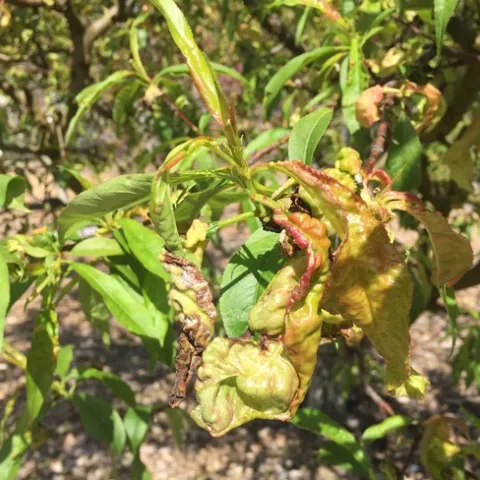
Spring is just around the corner and many types of fruit trees are starting to develop their leaves. If you are growing peaches or nectarines and are now seeing symptoms of peach leaf curl on new leaves, unfortunately it's too late to manage the disease.
Roundup Ready technology incorporates genetic resistance to glyphosate into crops and it's an excellent tool for weed control. Initial screening in the early 2000s found good alfalfa crop safety, and many growers currently rely on glyphosate as the only herbicide.
Follow these general tips for the month of March to prevent pests in the garden and landscape. To view more tips specific to your region, visit the Seasonal Landscape IPM Checklist on the UC IPM website.
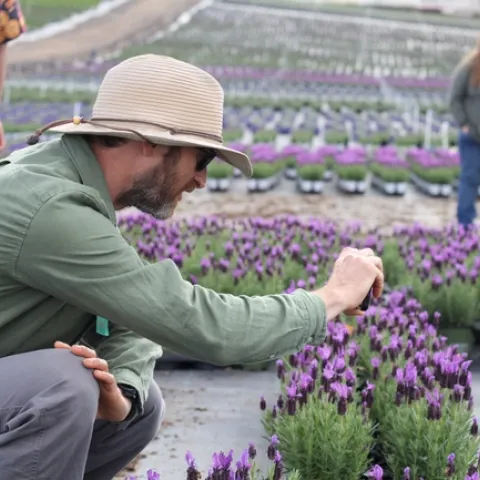
In late January, the University of California Nursery and Floriculture Alliance co-hosted the 62nd Western Region International Plant Propagators' Society (WR-IPPS) Annual Meeting in Temecula.