UC ANR is committed to providing an accessible and inclusive web experience for all users. If you encounter an accessibility barrier or need content in an alternative or remediated accessible format, please contact anraccessibility@ucanr.edu.
Flowers and veggies lingered in my garden this year, encouraged by the mild autumn weather. Then came the holidays, followed by rain. So much for Fall garden tasks and cleanup chores.
Spring is here and if you are like us, you can't wait to get outside and see how your plants and garden are doing! As usual, UC IPM has useful tips for the month of April to prevent pests in the garden and landscape.
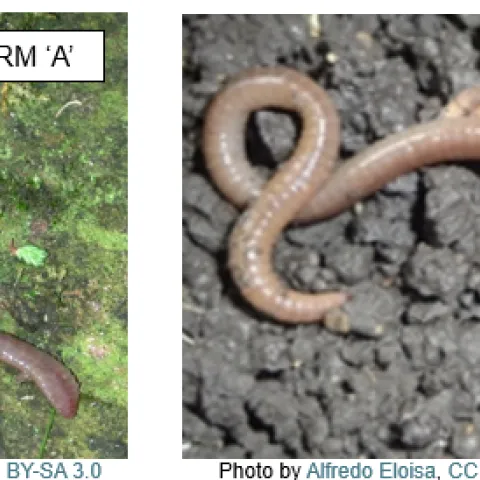
I Can Name That Worm in Four Clues How About You? Match the clue to the Worm's Image. Place an X in the appropriate column. Worm 'A'Earthworm, nightcrawler, Lumbricus terrestris, is one of over 2,700 varieties of earthworms.
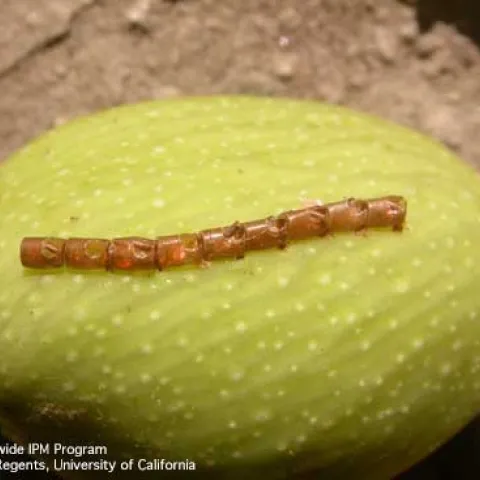
Below are answers to UC IPM's 2024 insect Easter egg hunt! Click on the name of each insect to learn more. A. Brown marmorated stink bug These eggs belong to the brown marmorated stink bug (BMSB) a pest of many types of plants and occasional indoor nuisance.
Noted bee scientist Jamie Ellis, a University of Florida professor, will speak on "Understanding the Risks that Pesticides Pose to Honey Bees" at a UC Davis seminar at 4:10 p.m., Monday, April 1. This is a zoom seminar.
Los campos de San Bernardino y Riverside estn en alerta. La mosca oriental de la fruta (OFF, por sus siglas en ingls), ha desencadenado una cuarentena que obliga a los productores a tomar medidas estrictas para proteger los cultivos ctricos.
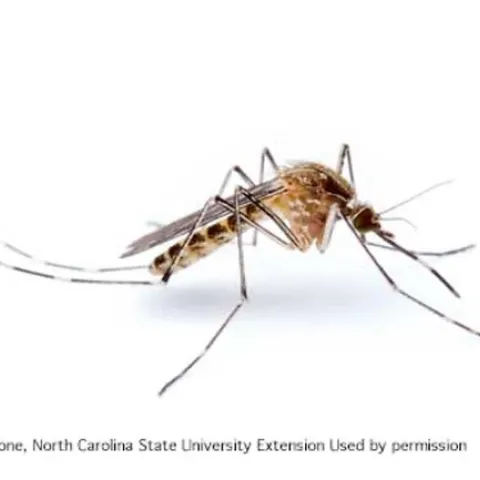
The invasive pest spotlight focuses on emerging or potential invasive pests in California. In this issue we are covering West Nile virus. West Nile virus disease was first reported in California in 2003 and has become the most common and serious vector-borne disease in California.
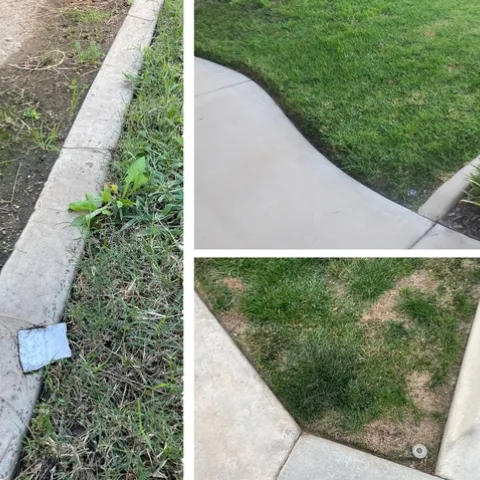
After all the winter rains you may find yourself dealing with weeds and struggling to control them. The first step in successfully controlling weeds is knowing what weed you have.
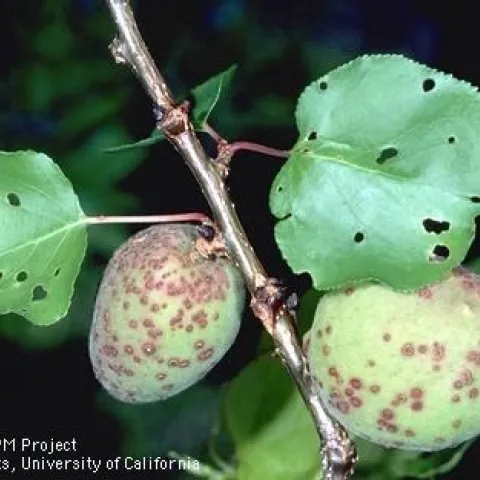
After years of drought, we welcome rain in California. But we also recognize that rain can help spread a number of plant diseases. Rain and wind can splash bacteria and fungi from infected leaves, branches, and blossoms to uninfected parts of the tree.
Ants are one of the major seasonal pests around structures in California's urban environments. Pest management companies throughout the state report that ants are responsible for a significant proportion of their pest control services.