UC ANR is committed to providing an accessible and inclusive web experience for all users. If you encounter an accessibility barrier or need content in an alternative or remediated accessible format, please contact anraccessibility@ucanr.edu.
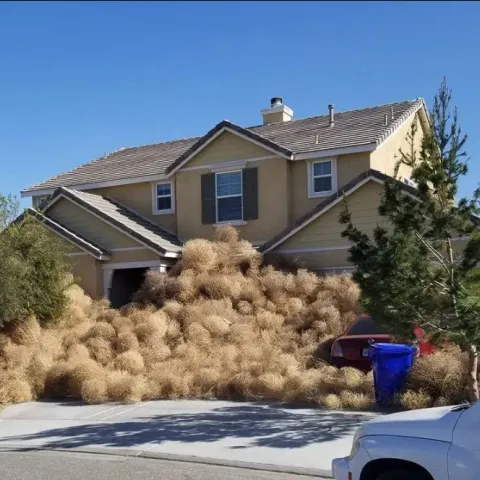
Tumbleweeds rolling across the landscape may make you think of classic old Western movies, but tumbleweeds, or Russian thistle, is more common today than you might think. This invasive plant can grow anywhere the soil is disturbed and once it matures, it breaks off its stem and the dried plant blows across…
The black stuff on your leaves is likely sooty moldThe black stuff on your leaves is probably sooty mold, a fungal disease growing on plants and other surfaces, and it is often seen in the spring and summer. The leaves or stems have a black coating that looks like soot. If you look closely, it is growing…
The invasive goldspotted oak borer has spread across SoCal, leaving boneyards of dead trees behind. This June, UC ANR and community partners launched an effort to track this pest.
This week, we shared information about important invasive species, what to do if you find them, and how you can help prevent their spread. To wrap up California Invasive Species Action Week, we’d like to highlight a few key takeaways: Don’t pack or plant a pest Whether you’re traveling or gardening…
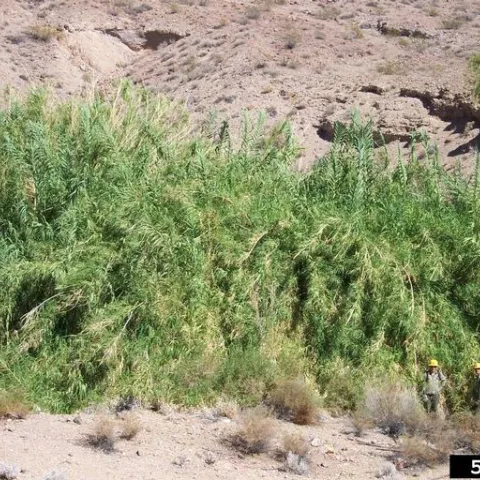
The golden flowers of French broom covering hillsides and the tall, striking stalks of pampasgrass stand out on trails and roadsides. These plants may be beautiful, but they are invasive and harm California’s natural landscapes. Invasive plants outcompete and crowd out native plants, damaging…
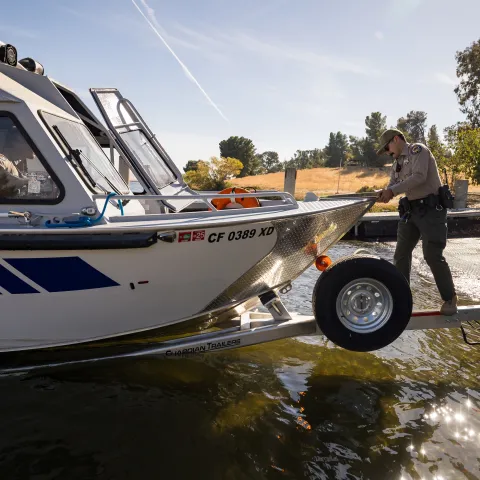
You may not see them, but small hitchhikers can cling to your boats, trailers, fishing gear, kayaks, and paddleboards. These hitchhikers are aquatic invasive species like plants, fish, and mussels. Once introduced to a body of water, they can displace native species, clog motors, damage water delivery…
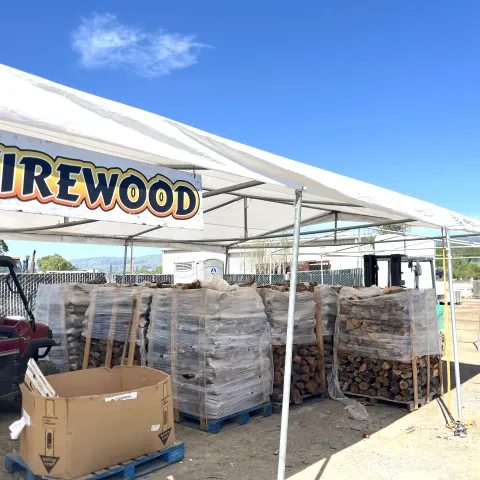
While bringing firewood from home for your weekend camping trip may seem harmless, many invasive pests can hide in firewood and cause serious harm to California’s forests and urban landscapes. You can help limit the spread of these unwanted hitchhikers by collecting or buying firewood close to where you plan…
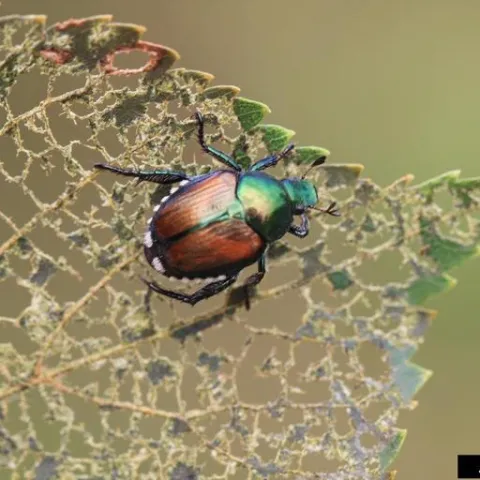
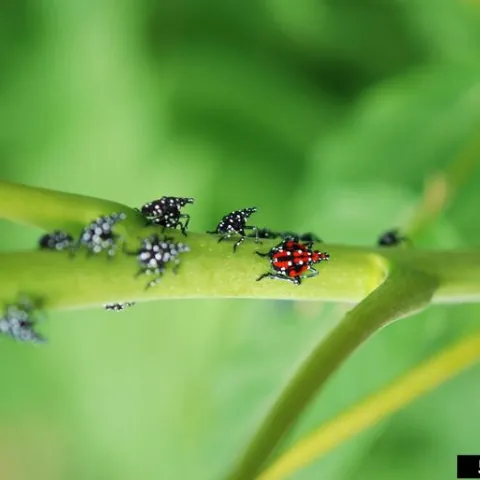
Be on the lookout for invasive species threatening California! While state and federal agencies actively monitor for new invasive pests, the public serves a critical role in early detection and often are the ones who find new invasive species first. During California Invasive Species Action Week …
Invasive species. What does that mean? Invasive species are non-native pests that harm California’s natural areas, public health, and economy. To raise awareness about these pests, UC IPM joins other state agencies to promote the annual California Invasive Species Action Week (CISAW), which goes from June 7…