UC ANR is committed to providing an accessible and inclusive web experience for all users. If you encounter an accessibility barrier or need content in an alternative or remediated accessible format, please contact anraccessibility@ucanr.edu.
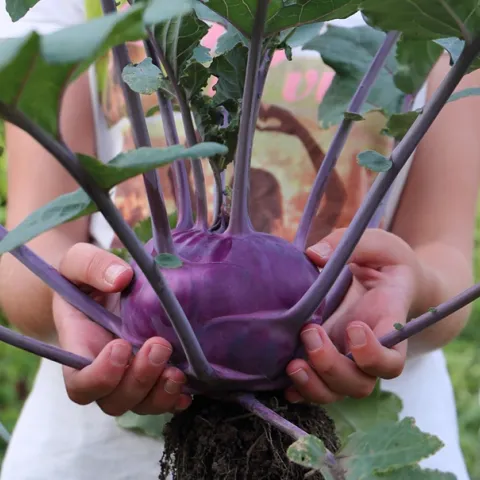
Kohlrabi, a member of the Brassicaceae (cabbage) family, is little-known to home gardeners despite its easy culture and versatile use when cooked or enjoyed raw. Its flavor and texture have been compared both to turnips and water chestnuts for its crunch stir fried, as a relish, or in salads.
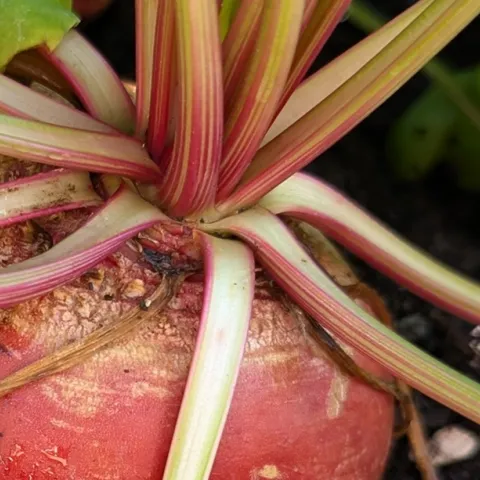
Like few other vegetables, nearly the entire beet plant can be eaten below-ground bulbs and above-ground foliage. A good crop depends on careful thinning and transplanting crowded seedlings into fertile, amended soil. Bumpy, brown seeds are actually a cluster of several seeds that germinate in a clump.
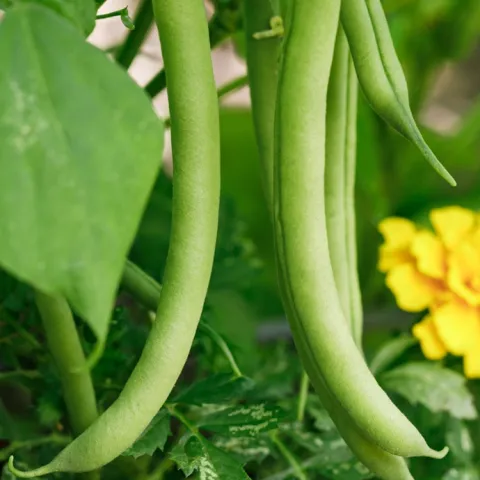
A favorite in the summer garden, green beans are also called snap beans and string beans although modern varieties nearly always lack a string-like layer on the underside of pods. Choose bush varieties for early maturity with no need for support.
Check out our information sheets on how to plant, grow, maintain and harvest common vegetables, fruits, herbs and nuts grown in Marin. We also list our favorite varieties that are best suited for local microclimates.
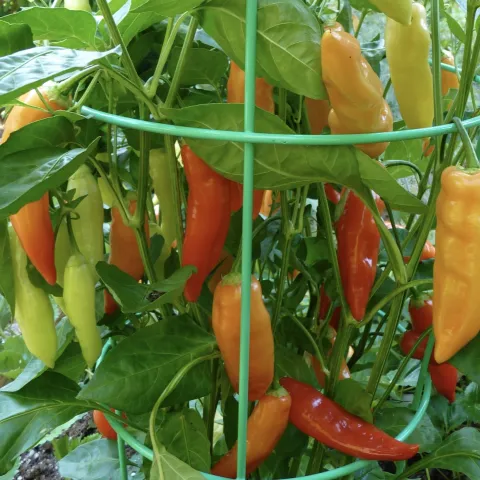
Start your seeds 6 to 8 weeks before you plan to transplant them into the garden. Peppers grow best when the soil is warmed and daytime temperatures are consistently over 75ºF, typically in late April or May in Santa Clara County. Temperatures below 50º to 55ºF cause flowers to abort or the fruits to be…
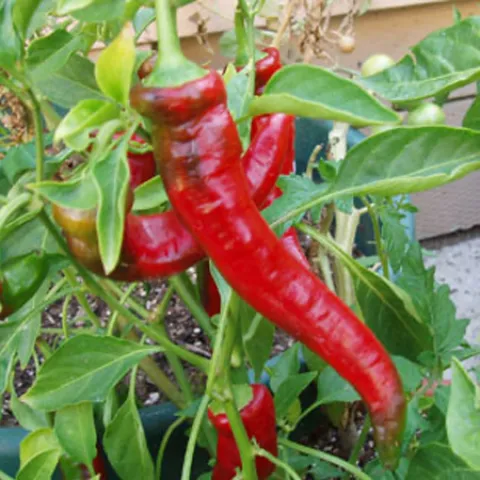
Peppers and chiles are warm weather lovers that range from sweet and mild to fiery hot. Transplant in May to June, possibly late April. For best results, wait until daytime temperatures are regularly over 75°F. If growing your own seedlings, start the seeds 8 weeks before you want to plant.
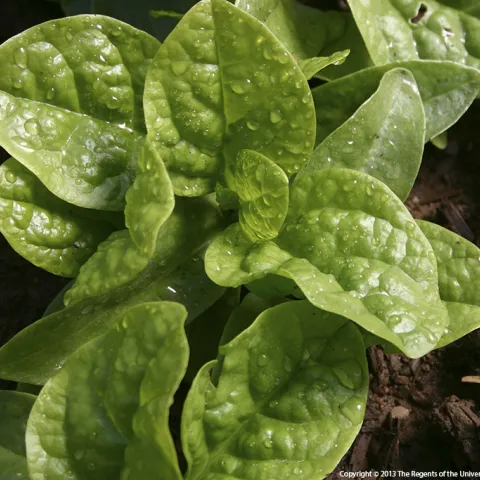
Spinach is a cool weather leafy green, good for eating raw in salads or for cooking. They bolt (send up a flower stalk) quickly in warm weather, so are best grown in the cool season in Santa Clara County.
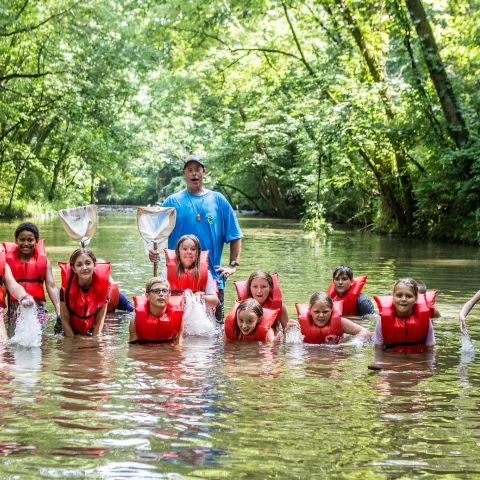
Outdoor activities in 4-H range from science projects such as rocketry and astronomy, to shooting sports, sports and gardening. Many counties offer outdoor exploration projects to take advantage of learning in the diverse outdoor landscape in California.
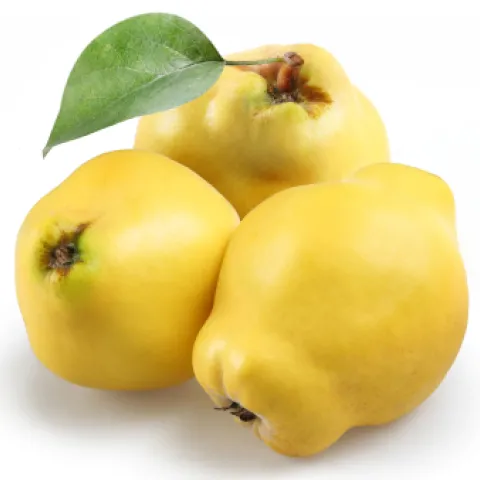
Quince fruits grow on a small tree or shrub (8 to 12 feet tall) with twisted, bumpy branches. Grown as a flowering ornamental or for fruit processing. Adapted to many climates. Adapted to many climates. Tolerates “wet feet” better than most other deciduous fruit trees.
Three main types of raspberries are grown in the United States: red, purple and black. They differ in ways other than fruit color. Red raspberries have erect canes and are propagated by suckers. These are usually grown in the Western States. Black raspberries have arched canes that root at the tips. Purple…