Propagate plants from cuttings, divisions, and seeds Join Master Gardener and Landscape Designer, Sheri Burke, to learn how to have fun and save money by starting your own plants. She will teach you how to plant annual seeds to create a 4 Season Garden. She will also teach you how to…
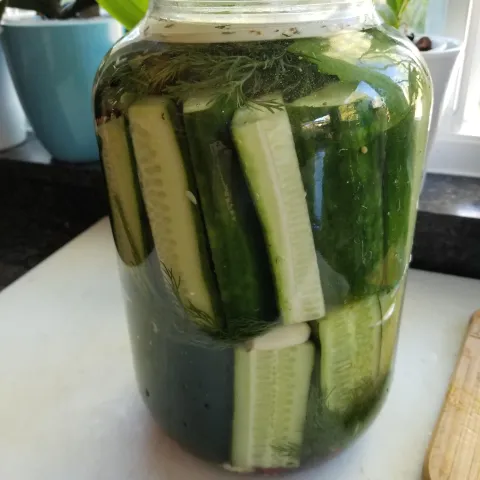
Something crunchy this way comes… 🎃This Halloween season, we invite you to embrace the practical magic of home food preservation and delve into the art of quick refrigerator pickles.Spooky Fridge Pickles: Eye of Newt Cukes, Cauliflower Brains & Cauldron Carrots is a free, live online class presented by…
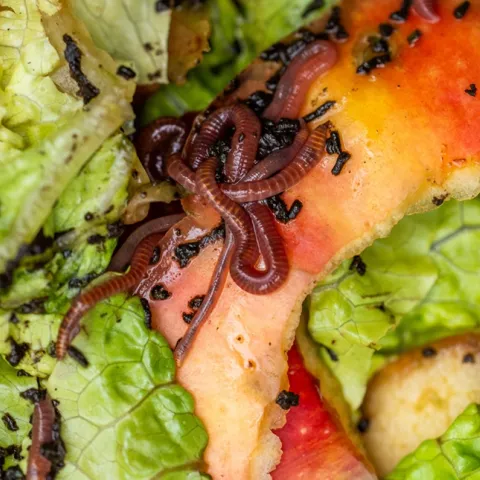
COME CELEBRATE COMPOST WEEK!In honor of North Bay Zero Waste Week, we’re offering a fun-filled and informative morning of hands-on activities, workshops and information tables for all ages!FEATURED WORKSHOPS: Compost - Ins and Outs for All Ages! Vermiculture - Worm Wrangling with Master Gardener…
Saturday, NOV 1 10 AM -11:30 AM GIFTS FROM THE KITCHEN MFP SHERRIL AND MGs The Holidays are a great time to show off home-made gifts made from your garden bounty. UC Master Food Preservers invite you to a program at the Garden of the Sun: “Gifts from the…
Saturday, Sept 13, 2025 9:30-11 AM OLIVE CURING FOR FUN MG MARIE and MFP Learn to cure delicious olives in accordance to the Mediterranean tradition. MG Marie and advice from Master Food Preservers will explore three different curing methods, utilizing both salt curing and…
Saturday, August 9, 2025 GROWING COOL SEASON VEGETABLES MG GWEN Did you know that cool season vegetables have a higher food value than warm season ones? Join MG Gwen and she will show you how to expand your gardening repertoire to…
Fall is just around the corner! Now is a great time to think about the next season in your garden -- fall crops? perennial beds? bulbs? cover crops? Topics in this class will include: • Seasonal gardening in Amador County • Healthy Soil requirements, including the use of cover crops • Planting…
The annual Master Gardener Tomato Tasting provides local home gardeners with an opportunity to show off their tomatoes in friendly competition. The contest is free to enter, with prizes for:Heaviest TomatoBest Tasting Red TomatoBest Tasting Non-Red TomatoBest Tasting Cherry TomatoTo enter, bring at least one…