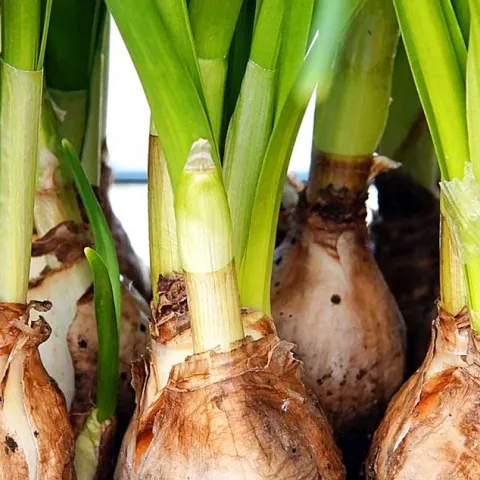
On the first Thursday of every month on the In the Garden with UC Master Gardeners of Orange County (California) radio show, you’ll hear about what to plan for in the garden that month. It is February. Remember where you planted those bulbs you planted as we told you about last October on this show(!)?…
Join us for this fun and interactive session where we will “quiz” attendees on look-alike pests, what’s causing plant damage, good bug vs. bad bug, weed ID, and more.
Growing your own food is satisfying, healthy, and delicious! This workshop focuses on selecting the best available site in your garden for growing vegetables; determining whether to plant in the ground or in raised beds; preparing the site; irrigation requirements; garden planning; and, finally, planting and…
Brrr .. it’s cold outside! Coming up on In the Garden with UC Master Gardeners, we revisit an important show from 2015 about winter tasks in the garden. Proper pruning, pre-treatment for potential pests and disease, and what certain fruit require for “chill hours”. Learn what “chill hours” really…
In this workshop, we look at how maintenance requirements may factor into your garden choices. Flower growth habits, longevity, irrigation, sun and soil needs—these considerations and more make a difference in how much time you devote to your plants. We identify and address issues such as: How long will the…
This class will cover what to plant in various situations, such as raised beds, pots, grow bags, and in the ground. We will discuss planting methods like square foot gardening and lasagna gardening, and explain different techniques for growing plants, such as seed starting, winter sowing in jugs, and soil…
Would you like to plant different varieties of summer vegetables than those that are available at the big box stores as starts? Learn to start your own plants from seed, and you can choose any variety you’d like! Our focus will be tomatoes and peppers. You say you don’t have a heated greenhouse? Not to worry…
Happy New Year to everyone! In the Garden with UC Master Gardeners, a weekly radio show, is back for the new year letting you know the latest in science-based advice for the local Orange County gardener. The first Thursday of every month, we bring you an hour of delightful conversation with two of the…
Say you have a friend/spouse/partner/all of the above who loves to spend time outside getting dirty in the garden. And you keep thinking about what they might appreciate as a gift this holiday season. But you have no clue what’s what! This week on In the Garden with UC Master Gardeners, our renown…


![[PODCAST] Winter Care and Rainwater](/sites/default/files/styles/large_square/public/2026-03/Primary-Image-oranges.jpg.webp?h=3abb76e9&itok=ZXYyISaH)