UC ANR is committed to providing an accessible and inclusive web experience for all users. If you encounter an accessibility barrier or need content in an alternative or remediated accessible format, please contact anraccessibility@ucanr.edu.
Keep an eye on the weather report - protect frost-tender plants when the temperature falls below 32 degrees. Divide perennials like daylilies and chrysanthemums. Prune crepe myrtles, cane berries, and roses, and clean-up trimmings.
The Los Guilicos Demonstration and Teaching Garden includes an outdoor teaching classroom that is located in the valley below the Mayacamas Mountains in east Santa Rosa. Fieldtrips are available for schools and many educational events are held here for both children and adults.
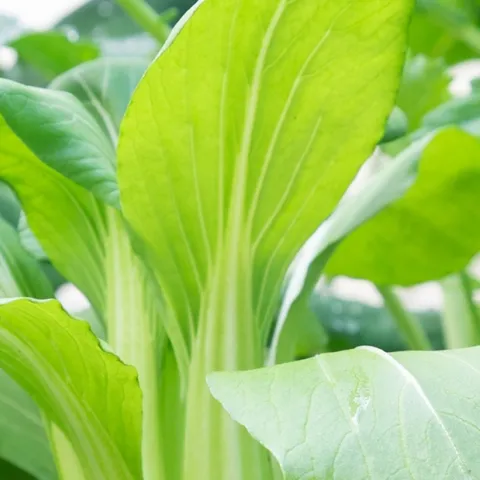
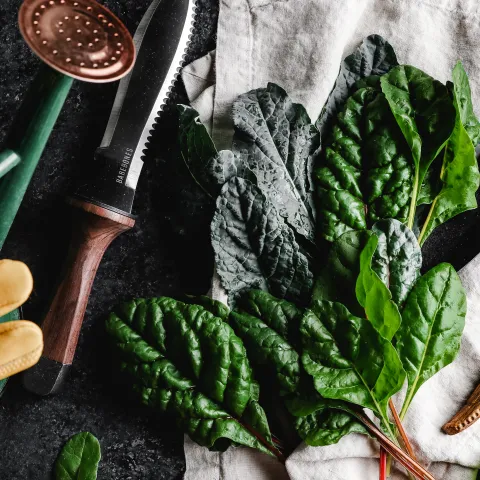
These leafy vegetables are easy to grow in cool weather, spring or fall, in Sonoma County. Plants in an array of colors enliven the garden in the off-season, often indicating spiciness and aroma in the kitchen. Asian greens are known by alternate plant names in different cultures.
Monitor the garden for pests and diseases as you maintain it. Photo: Courtesy UC Regents Once the fruit trees, berries, herbs and vegetables are planted, the magic begins. Even seasoned gardeners marvel at how the seed becomes the plant that produces a vegetable that appears on a plate.
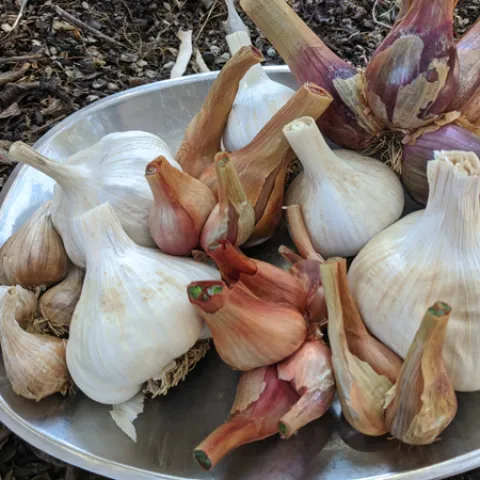
Fall Garden Fair garlic and shallots descriptions. Garlic and shallots grow beautifully over the winter in Santa Clara County. Plant garlic and long-season shallots in the fall for harvesting in June through July.
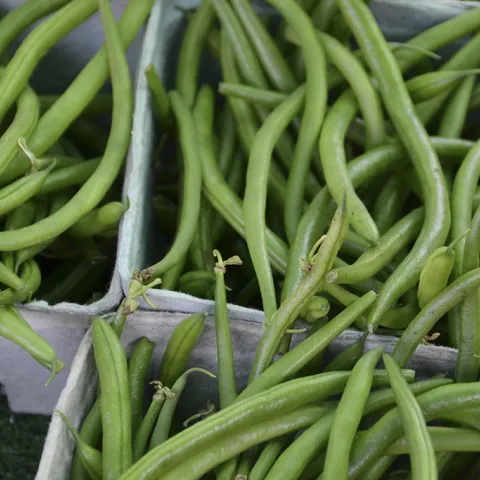
Beans are a warm weather crop that comes in bush and pole varieties. Bush varieties generally produce sooner but may stop after a few flushes, while pole varieties will continue producing into the fall. Pole beans require tall supports (6 to 10-feet) that they can twine around.
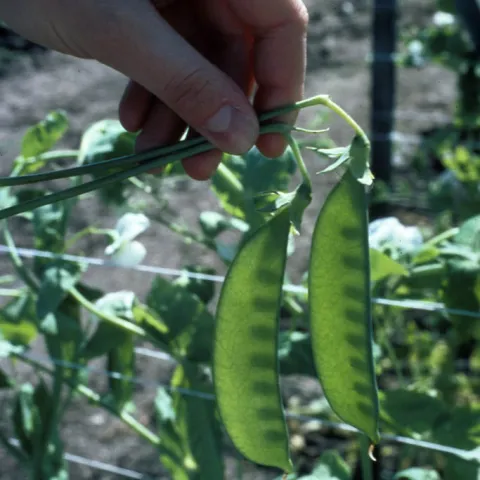
Peas are a cool season vegetable in Santa Clara County. There are three types of fresh peas:
Shelling peas, where the tough pod is removed before eating.
Snow peas, which have edible pods and are harvested flat, while the peas inside are small and immature.
Sugar snap peas, which have edible pods and are…
Prune grapes and roses. Cleanup: remove mummy fruit and blighted limbs on stone fruit to reduce brown rot. Remove and destroy fallen leaves to reduce peach leaf curl. Mulch cane berries, cut out all old canes and reset new canes in twine.
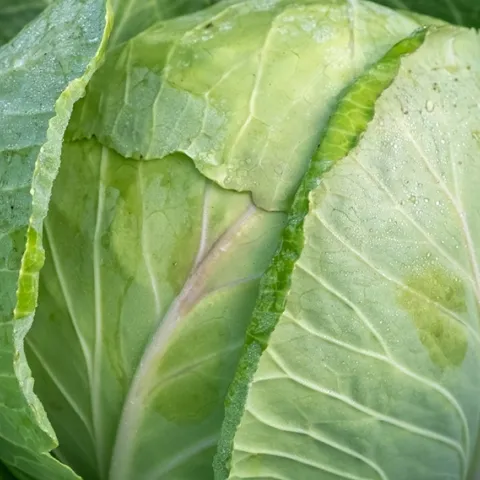
Cabbage is a highly nutritious, hardy, easy-to-grow, cool weather vegetable with a long storage life. Growth is best where the cool season is long with mild temperatures between 45 and 75 degrees.