The federal Child and Adult Care Food Program, or CACFP, is designed to bolster childhood food security and improve diet quality in early care and education settings. However, a new collaborative study from the Nutrition Policy Institute reveals a concerning trend: the program's administrative burdens…
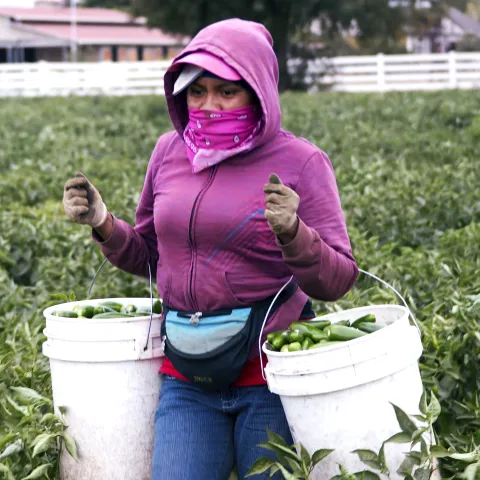
A recent study suggests that nearly three-in-four Indigenous migrant farmworker communities in California’s Central Valley experience food insecurity, and more than one-in-three live in inadequate housing. Migrant farmworkers are the critical workforce for the California farm industry, which is the…
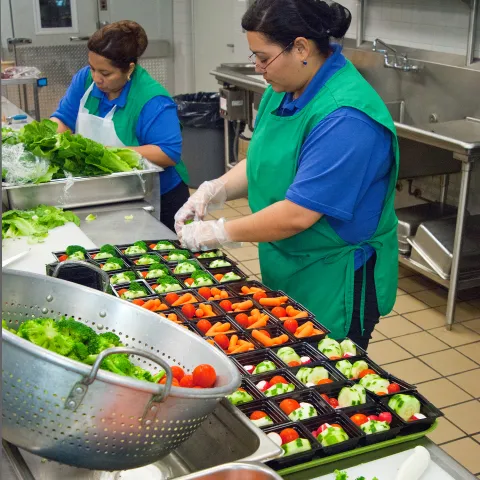
A recent qualitative study published in Preventing Chronic Disease explores school food service directors’ knowledge and beliefs about ultraprocessed foods in school meals. Ultraprocessed foods have been shown to make up nearly two-thirds of the calories in U.S. youths’ diets and have been linked…
U.S. federal safety net programs provide food, nutrition, and health care assistance to eligible low-income individuals and families, with many of these programs expanding benefits and easing enrollment requirements during the COVID-19 pandemic. Using longitudinal survey data from the ACCESS cohort…
A publication in the Journal of Nutrition Education and Behavior by Nutrition Policy Institute researchers and collaborators exploring school food authorities perspectives on the impact of deimplementing Universal Free School Meal policies was voted by the journal as a Best Paper finalist. All…
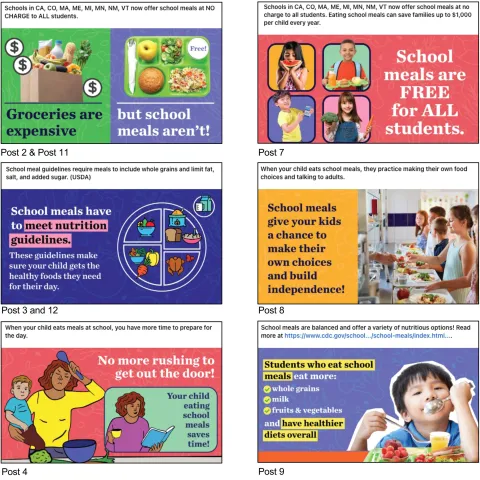
Universal School Meals programs provide free meals to all students, improving diet quality while reducing food insecurity and stigma; however, many eligible students still do not participate. In a recent study published in the Journal of Nutrition Education and Behavior, researchers examined parents’…
Federal legislation signed in July 2025 eliminated funding for SNAP-Ed, the largest public-sector nutrition and physical activity education and promotion program in the US. A new research brief from the Nutrition Policy Institute details how California local health departments, or LHDs, worked to wind-down…
Research Brief • July 2026 • Download PDF (106 KB)BackgroundFor over three decades, the Supplemental Nutrition Assistance Program- Education (SNAP-Ed) improved nutrition and physical activity (PA) behaviors among low-resource populations through the combination of education and policy, systems, and…
Research Brief • July 2026 • Download PDF (148 MB)BackgroundFor over three decades, SNAP-Ed (the Supplemental Nutrition Assistance Program- Education) worked to improve nutrition and physical activity (PA) behaviors among low-resource populations through education and policy, systems, and environmental (PSE)…
Davrina Rianda joined the Nutrition Policy Institute at the University of California, Agriculture and Natural Resources on July 1, 2026 as a postdoctoral scholar and Assistant Project Scientist. Davrina graduated with her PhD in Nutritional Biology from UC Davis in June, with an emphasis in global…