Gardening

Primary Image
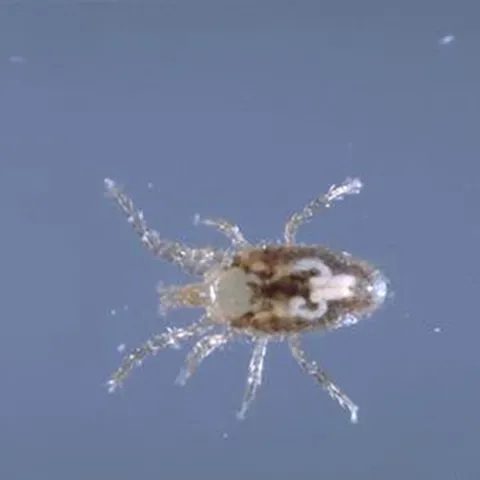
Figure 1. Adult tropical rat mite. (Credit: Jack Kelly Clark)
Pests in the Urban Landscape: Article

Detecting and Controlling Biting Mites Within Structures

December 17, 2020
By Andrew M Sutherland
Most pest management professionals have served clients who swore they were being bitten by unseen pests. Perhaps the usual suspects (bed bugs, fleas, and mosquitoes) were ruled out by thorough inspection and monitoring devices.
View Article
Primary Image
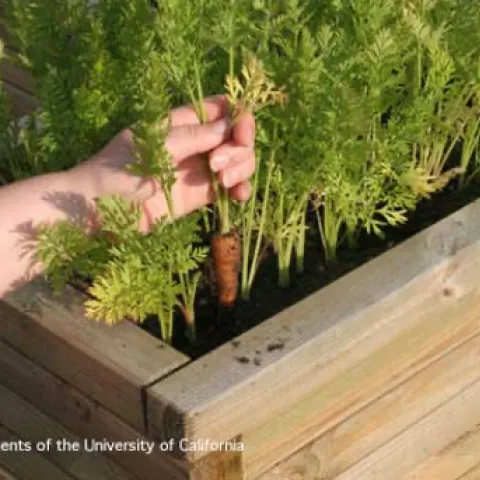
Person harvesting carrots from a raised bed.
Pests in the Urban Landscape: Article

Winter Vegetable Gardening

December 14, 2020
We are fortunate in California that not only can we grow vegetables in summer, but winter gardening is also an opportunity to grow vegetables and spend some time outdoors. Cool-season vegetables include broccoli, brussels sprouts, carrots, cabbage, cauliflower, lettuce, and spinach.
View Article
Primary Image
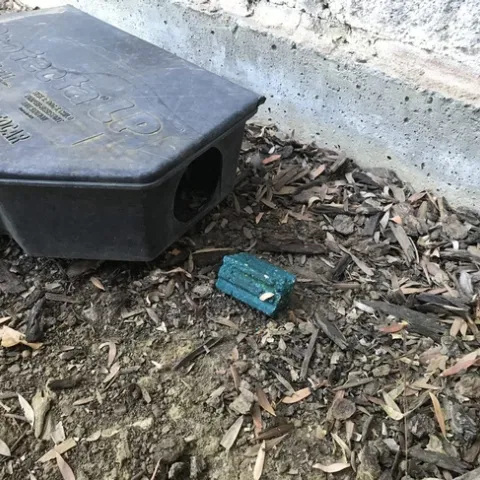
A black rodent bait station on bark mulch with a teal block bait sitting outside the entrance.
Pests in the Urban Landscape: Article

California Places Further Restrictions on Rodenticides

December 10, 2020
By Belinda Messenger-Sikes, Niamh M Quinn
In September 2020, Governor Gavin Newsom signed into law Assembly Bill 1788, which prohibits almost all uses of second-generation anticoagulant rodenticides (SGARs) statewide.
View Article
Primary Image
Book cover of Pests of the Garden and Small Farm
Pests in the Urban Landscape: Article

Garden and Landscape Books On Sale

December 7, 2020
Give the gift of knowledge this holiday season! Save up to 60% on select UC ANR gardening and landscape pest management publications now through December 11.
View Article
Primary Image
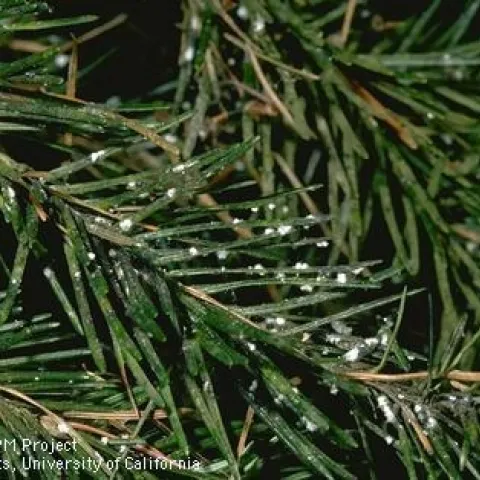
Cooley spruce gall adelgids on needles of Douglas fir. (Credit: Jack Kelly Clark)
Pests in the Urban Landscape: Article

Holiday Tree Pests

December 6, 2020
If you're planning to get a holiday tree for your home, you may find unexpected guests have already made their home in your evergreen selection. Common holiday trees such as firs, pines, and spruces can host pests such as aphids, scales, mites, bark beetles, or even praying mantis egg cases.
View Article
Primary Image
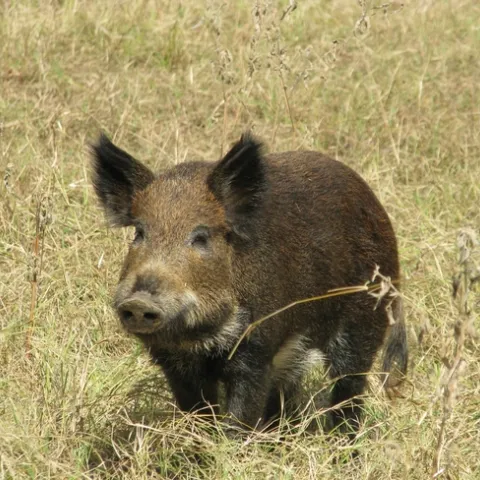
Wild pig
Pests in the Urban Landscape: Article

Stop the Spread of Invasive Pests

December 2, 2020
By Karey Windbiel-Rojas
Invasive pests threaten California's natural environments, agricultural production, structures, landscapes and gardens, causing billions of dollars of damage to our agricultural systems and natural areas each year.
View Article
Primary Image
Woman in Sunflowers with Basket
Pests in the Urban Landscape: Article

Support UC IPM on #GivingTuesday!

November 30, 2020
Support the work of the UC IPM Urban and Community Program! Our mission and work to help Californians continues despite the COVID-19 pandemic. With your support, we will continue to provide practical, trusted pest management answers to people like you across our state.
View Article
Primary Image
<i>Photo courtesy of Unsplash</i>
Pests in the Urban Landscape: Article

Appreciating IPM and Our Food

November 22, 2020
With Thanksgiving around the corner, we want to take a moment to appreciate the work that goes into producing the foods we eat at Thanksgiving and every day. There are many pests that attack the crops we grow and many hands that help get food from the field to our tables.
View Article
Primary Image
Save the Date 2020
Pests in the Urban Landscape: Article

Save the Date: Giving Tuesday is December 1

November 20, 2020
Our mission to help Californians continues despite the COVID-19 pandemic. With your help, we provide practical, trusted pest management answers to people like you across our state. Support the work of the UC IPM Urban and Community Program with your gift.
View Article
Primary Image
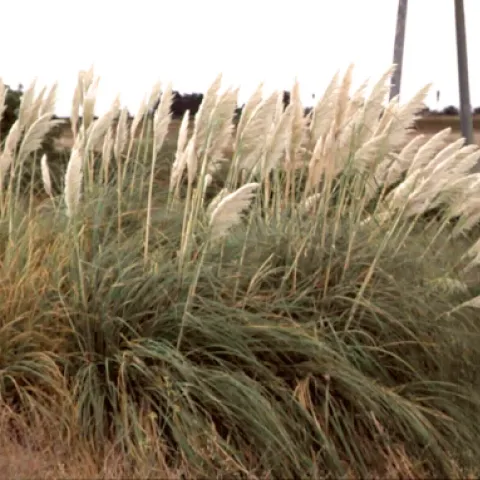
Invasive pampasgrass (Credit: J DiTomaso)
Pests in the Urban Landscape: Article

What makes a weed an invasive plant?

November 18, 2020
By Belinda Messenger-Sikes, Karey Windbiel-Rojas
Weeds are usually thought of as native plants we don't want in areas such as landscapes, fields, or vegetable gardens either because they reduce economic output or they are considered aesthetically displeasing.
View Article