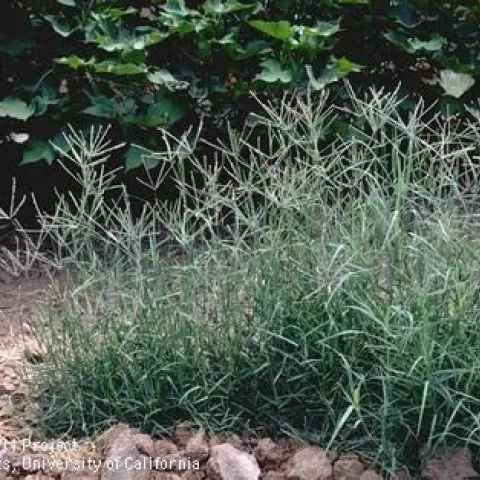
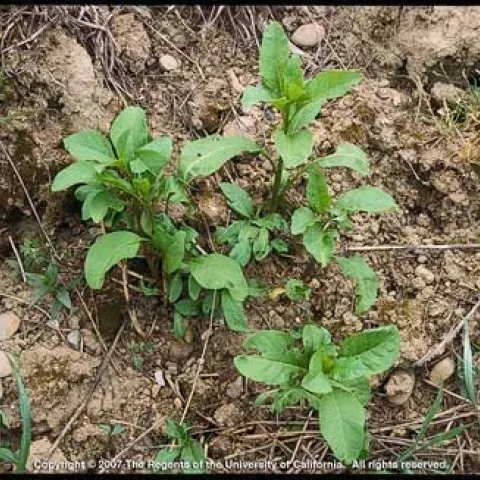
Weeds are usually thought of as native plants we don't want in areas such as landscapes, fields, or vegetable gardens either because they reduce economic output or they are considered aesthetically displeasing.
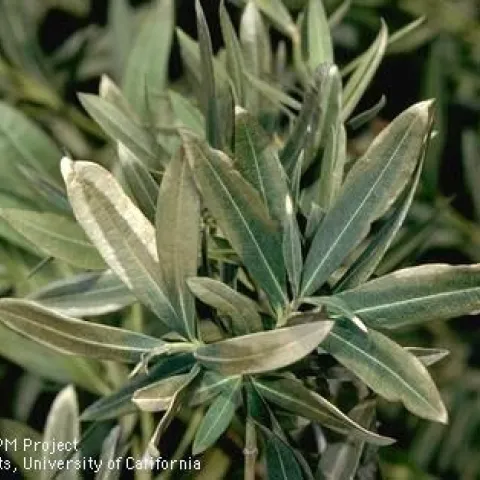
With the recent time change along with a change in temperatures, landscaping practices for pests need some adjusting too. We're sharing a few recommended tasks to help prevent insect pests, diseases, and environmental disorders in landscapes.
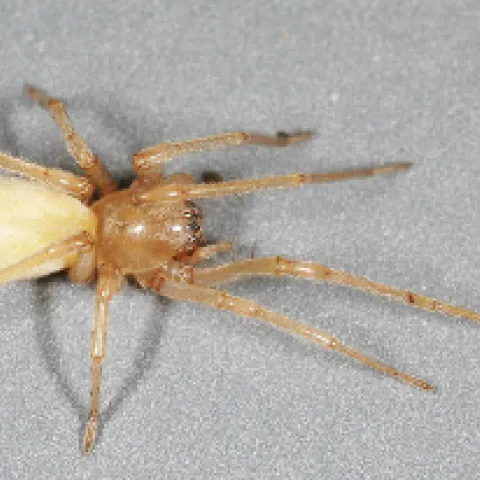
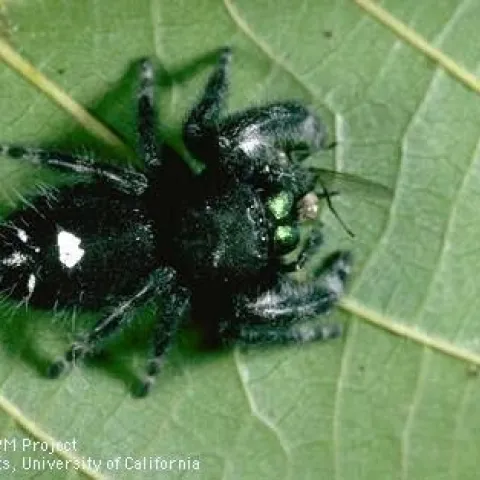
October is a perfect time to talk about spiders! People decorate for Halloween with scary images of spiders and webs. Many people fear spiders but what you may not know is that they are helpful in our homes and landscapes.
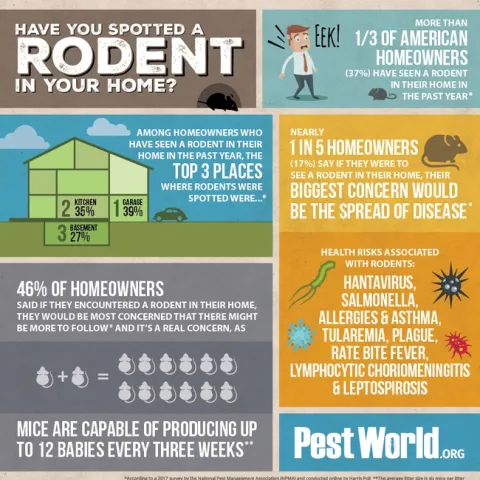
Rodent Awareness Week (October 18-24) is a campaign created by the National Pest Management Association to educate the public about the potential harm associated with rats and mice. In addition to damage to structures and property, rodents can transmit disease to other animals and humans.
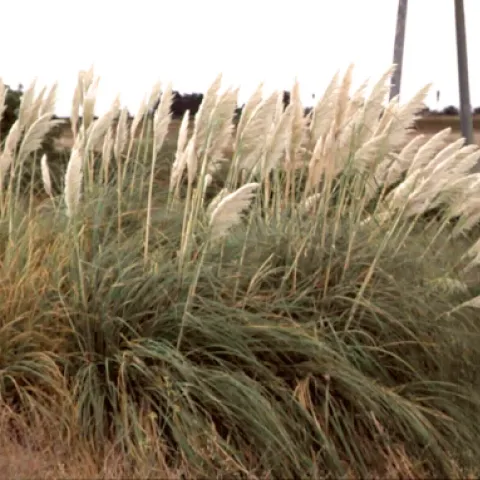
As the days get shorter and the temperatures begin to cool, now is the time to practice weed management for annual cool-season weeds. It's also not too early to consider management for weeds that emerge in springtime.
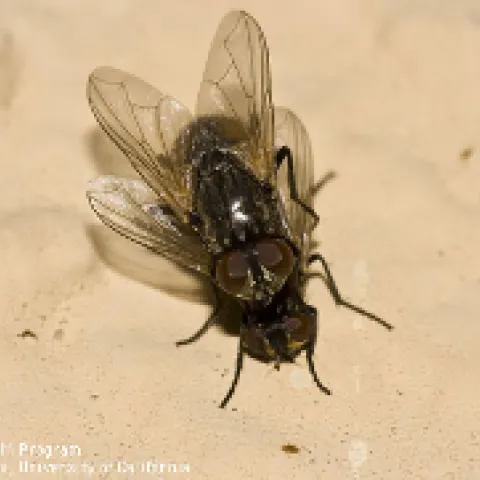
We don't often find flies such a popular topic of conversation, but given recent events, we'd like to seize the moment to share some science-based information about their status as both pests and beneficial insects. Flies can be nuisance insects both indoors and outdoors.
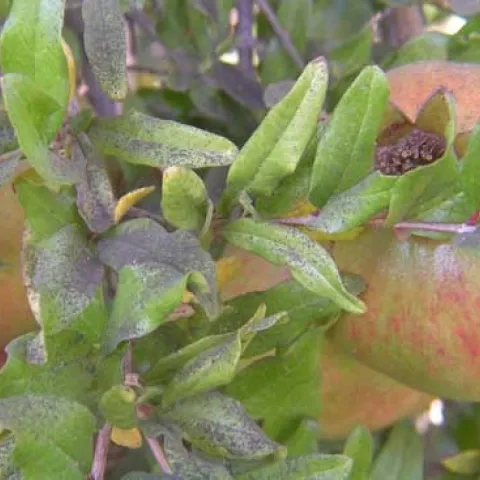
Sooty mold is a black fungal growth that looks like a layer of soot covering the leaves of a plant or a sidewalk. The aptly named disease is common in gardens and landscapes, appearing wherever a large infestation of plant-sucking insects are found.
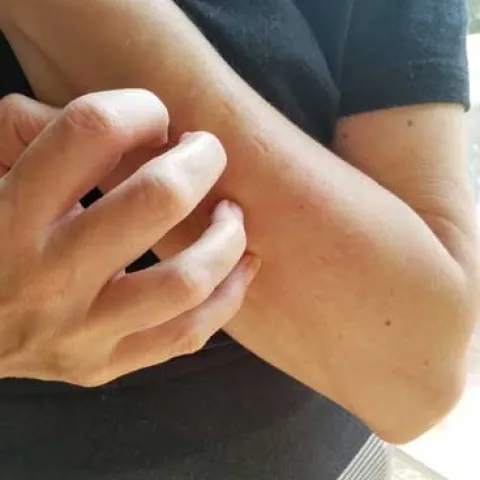
Most of us have experienced itchy skin from a biting insect at least once in our lives. Insects and spiders such as mosquitoes, ticks, mites, bed bugs, fleas, and head lice can and do bite people.
American pokeweed is a large weedy shrub also known as pokeberry, American nightshade, poke salad, and a variety of other names. It is native to the eastern U.S. but is spreading in parts of California.