The UC Statewide Integrated Pest Management Urban & Community Program is excited to present a new monthly webinar series that is free and open to the public. Presenters will share helpful pest management information for California residents.
News Releases from US EPA Region 10 - February 9, 2021 The Seattle office of the U.S. Environmental Protection Agency announced today that it has issued a stop sale order to Amazon.
With the Super Bowl coming up this weekend, you may be planning delicious snacks to enjoy while watching the game. We, on the other hand, are thinking about how IPM can help home gardeners with some of the fruits and vegetables they grow that might be enjoyed on Super Bowl Sunday.
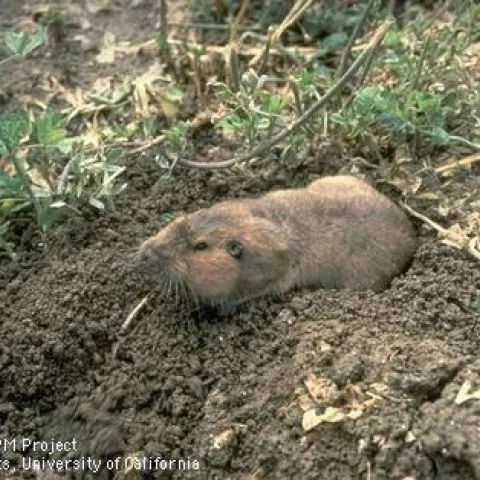
Annually on February 2, groundhogs get a lot of coverage. Groundhogs, also known as woodchucks, are burrowing rodents often found in the eastern United States. But in California, any shadows from burrowing rodents are unlikely to be a groundhog.
Strong winds from the latest winter storm have downed trees and branches throughout Northern California and may have also damaged plants in your garden and landscape. Further damage from wind or hail can be reduced with proper cultural care.
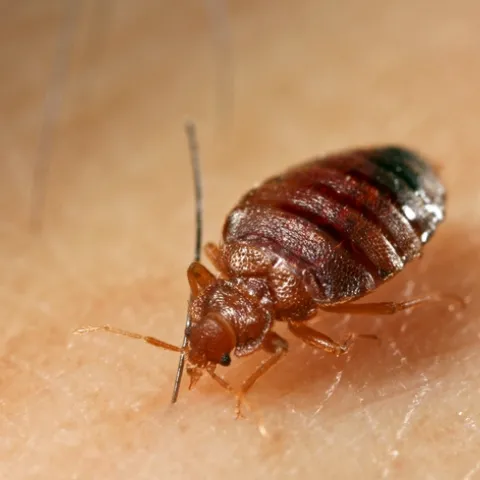
Bed bugs can hitch rides on secondhand furniture, luggage, backpacks and other personal items to invade homes and attack people. While we rest and sleep on sofas and beds, the insects come out to feed. They want to suck our blood.
While we continue to spend more time than usual indoors, you may have noticed a few unexpected (and perhaps unwanted) co-occupants like ants, cockroaches, or mice.
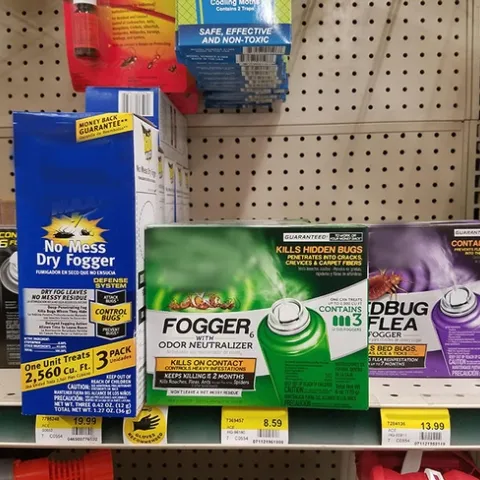
Insecticide foggers, also known as total release foggers or bug bombs (Figure 1), are popular products widely available in many retail nurseries and garden centers as well as drug stores, supermarkets, and convenience stores.
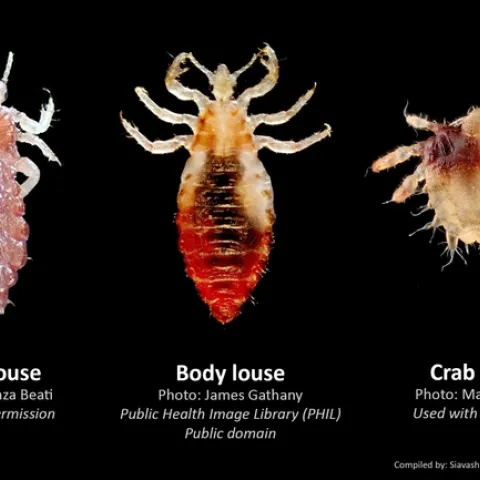
Human lice (singular louse) are parasitic insects found on people. Adult lice are small (about 1/8 inch (3 mm) long or less) wingless insects that move by crawling. There are three species of lice that exclusively feed on humans: the head louse, the body louse, and the crab or pubic louse.
![Beneficial syrphid fly adult on purple flower. [Credit: Jack Kelly Clark]](/sites/default/files/styles/large_square/public/2021-03/blog78444.jpg.webp?h=387d831c&itok=e2twObSD)