UC ANR is committed to providing an accessible and inclusive web experience for all users. If you encounter an accessibility barrier or need content in an alternative or remediated accessible format, please contact anraccessibility@ucanr.edu.
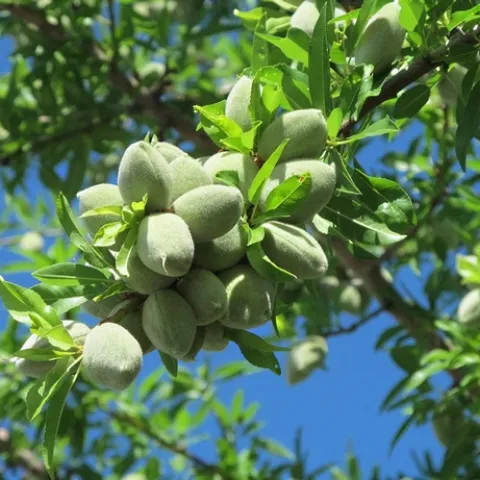
UC Agricultural Issues Center has released new studies estimating the cost and returns of establishing an almond orchard and producing almonds for three growing regions of California.
Community ecologist Rachel Vannette of the UC Davis Department of Entomology and Nematology seeks to unlock the mysteries of flower microbes: how do plants protect against them, and can bees benefit from them?
Interest in silkworm moths soared high at the recent UC Davis Bohart Museum of Entomology open house on Arthropod Husbandry: Raising Insects for Research and Fun.
As I have mentioned in my previous blogs, I have a certain affinity for cover crops. Mostly it is because I see enormous potential to increase the soil health and climate resiliency in Ventura County agriculture by incorporating cover crops.
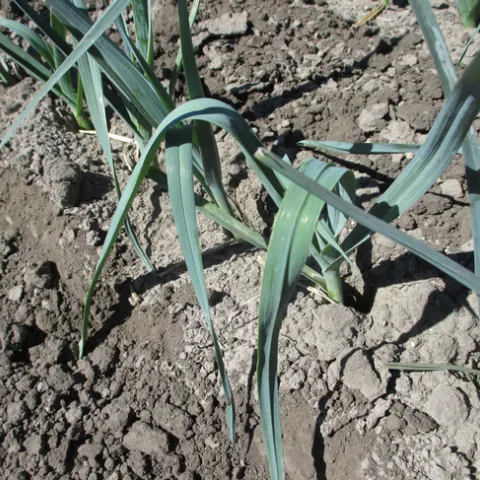
Leeks were grown on 589 acres in Monterey County in 2018 and were worth $10.8 million. Depending on the planting date, they can be in the field for 120 or more days, particularly if they are over wintered.
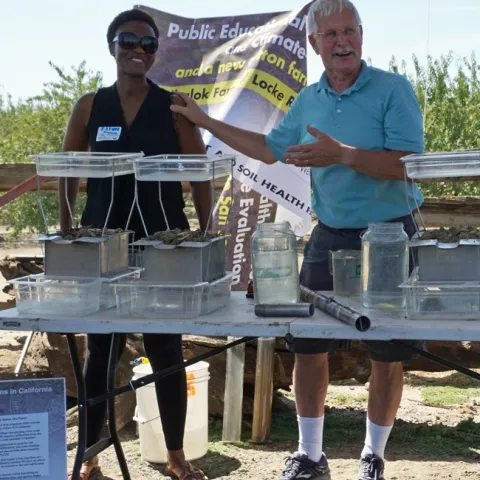
Scientists are developing climate-smart farming practices, California is offering financial incentives to implement them, and now a group of 10 UC Cooperative Extension climate-smart educators are taking the program to the next level.
UC Davis distinguished professor Walter Soares Leal, a leading global scientist and inventor in the field of insect olfaction and communication, is a newly selected fellow of the National Academy of Inventors (NIA), which honors and encourages academic inventions that benefit society.
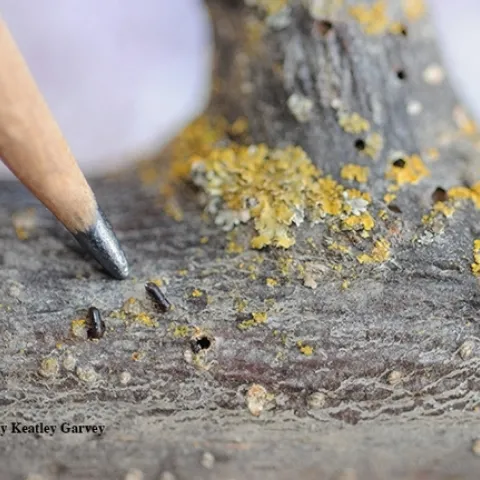
Doctoral candidate and forest entomologist Jackson Audley of the UC Davis Department of Entomology and Nematology, targets an invasive bark beetle that's about the size of a grain of rice. The beetle? The walnut twig beetle, Pityophthorus juglandis.
Scorching temperatures and parched earth are no match for the sorghum plant this cereal crop, native to Africa, will remain green and productive, even under conditions that would render other plants brown, brittle and barren.