
Here is spring, and it feels great. The wildflowers are here. Winter deciduous trees and shrubs are blooming and leafing out. Winter-dormant herbaceous plants are pushing up green foliage. Daffodils and Iris are in their glory days. The vernal equinox is March 20. The day and night are equal in length, and from now on until autumn, the days will be getting longer.
PLANTING
Spring is the second season of major planting. You can plant all varieties of trees, shrubs, perennials, ground covers, and vines. In the edible garden, plant heat-lovers like cucumber, tomato, melon, beans, eggplant, and squash towards the end of the month. You can also plant potatoes, radishes, chives, greens, beets, and herbs of all types. Citrus, avocado, cactus, and other frost-sensitive plants can be planted late in the month.
When buying citrus, please be sure to buy from a reputable Tulare or Kings County nursery so we don't spread the Asian citrus psyllid. That means saying "no" to the neighbor or family member who has an extra citrus tree for you, and that means not bringing citrus trees into the county from elsewhere in the State. There are regulations about the movement of bulk quantities of citrus fruit to save the California citrus industry and our backyard trees. You can find out more from the CDFA website or read the University of California Pest Note at: UC IPM Pest Note 74155 "Asian Citrus Psyllid and Huanglongbing Disease."
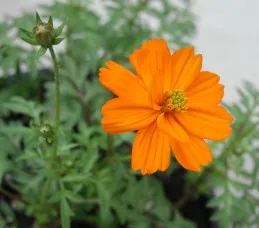
Many plants, native and exotic, bloom profusely in March. If you need quick color, plant ageratum, alyssum, bachelor buttons, begonias, celosia, cleome, coleus, cosmos, duster miller, gomphrena, impatiens, lobelia, marigolds, nasturtiums, nicotiana, petunias, portulacas, salvias, and verbena. It is also the month to start planting summer-blooming bulbs such as cannas, calla lilies, crocosmia, dahlia, gladiolus, liatris, lilies, ranunculus, tuberose, and zephranthes.
MAINTAINING
March also begins the major insect season. Most insects are neutral or beneficial, and they are an important food for birds, lizards, toads, and frogs, so don't consider a non-insect garden a healthy one. Monitor for common spring insect pests like aphids, earwigs, slugs, snails, whitefly, thrips, and codling moth worm. Handpicking or spraying with a strong stream of water is the least toxic option. Ornamental plants can often withstand moderate infestation from these insect pests, but in the vegetable and fruit garden, they tolerate only small populations. Lend a helping hand if the beneficial insects can't reduce the number of pests within a few days. Aphids are common on milkweed (Asclepias) in spring, but do not harm the plant. Spray or hand remove gently if the plant is covered (wear gloves if squashed aphids repulse you.)
If you must use pesticides, identify your pest first. Many beneficial insects have been destroyed in the rush to eliminate all insect life from the garden. Some common beneficials that are often mistaken for pests are lacewing, syrphid fly, spiders, parasitic mites, and parasitic wasps. Read more about biological controls for insect pests at: UC IPM Pest Note 74140 "Biological Control and Natural Enemies of Invertebrates
Hand-picking large insects is easier on the garden and the ecology. Using traps like rolled-up newspapers or boards is another way to catch and remove insect pests like snails, slugs, and earwigs.
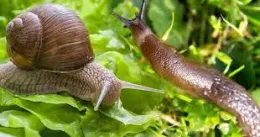
If you must use chemicals for slugs and snails, use baits containing iron phosphate, which is nontoxic to children, wildlife, and pets. Baits containing metaldehyde are extremely toxic. Tolerate some plant damage, especially from caterpillars, and especially on your ornamental (non-edible) plants. Think of them as the pretty butterflies and moths they will become.
Start setting baits out now for Argentine and other non-native ants, and rotate the chemical every three months. Eliminating ants will help control soft-bodied insects like aphids.
Spittle bugs are occasionally an unsightly nuisance but do little damage and don't stay long. They look like little blobs of wet foam on foliage. They seem to prefer rosemary and sage. If you can't stand it, a strong blast of water can dislodge them.
Water your new transplants well and keep them from completely drying out. This attention to irrigation is one reason planting in the spring is more difficult than in the fall. If we have a dry spring, deep water trees and large shrubs, and keep your controller on to provide some moisture to all plants throughout the month. Spring is not the season to try to make your plants tolerate drought. Remember, your new transplants need water where their roots are and just below. Let the top of the soil dry out a little in between watering, and then soak the root ball thoroughly. If your fall and winter-planted transplants show little top growth but otherwise look healthy, don't fret. They are growing roots, which will help them withstand the stress of the dry and hot months to come.
March is also a good month to fertilize roses. Use a specialty fertilizer meant for roses and do two smaller feedings a few weeks apart instead of one. You can also fertilize non-native perennials and established citrus trees that are emerging from dormancy. Your California native plants don't need fertilizer, although you could give your acid-loving manzanita a weak dose of fertilizer labeled for camellias, azaleas, and magnolias. If you have container plants, including California native species, you can give them a timed-release fertilizer that will last all year.
Weed control is in high gear. Cool-season grasses have seeds; warm-season weeds are blooming. Whether you use mechanical, chemical, or a mix of control methods, remember that weeds are trying to protect the earth's crust by reducing erosion. If you clear an area of weeds, what will replace these plants? Use rock, bark, or living mulch (ground cover plants) to keep your soil on your property. Small level areas of bare dirt are fine and provide habitat for solitary ground-nesting native bees. When spraying herbicide, remember that many of your plants, including roses and California native species, are highly susceptible to damage from small amounts of drift, and you may not see that damage immediately. Follow label directions and protect desirable plants.
CONSERVING
While planting for spring, include at least one plant that increases the garden's diversity and usefulness for pollinators and/or other wildlife. Matching a plant with your soil and climate (including water availability) ensures fewer pests and less maintenance. If you want to try milkweed for the Monarchs, search out the native varieties, such as "narrow leaf" (Asclepias fascicularis)
If you haven't already done so, check your drip and sprinkler systems, clean filters, check for leaks, and make needed improvements. Get ready for summer. Make sure your system is as efficient as possible. You may consider upgrading to a "smart" controller that can better adjust to the weather and water needs of the garden. I've tried several of them now, and most of them are reliable, affordable, and easy to use with a smartphone app. You still should check your system periodically to make sure there are no leaks or other problems.
With all this work, it's also important to remember to take time to enjoy the garden's bounty. Don't be afraid to leave the work for another day and just read a book in the sun or shade, watch the busy activity of your California garden, or take a walk at a local preserve or park. Take time to celebrate the beauty you work hard to create, in partnership with nature.