
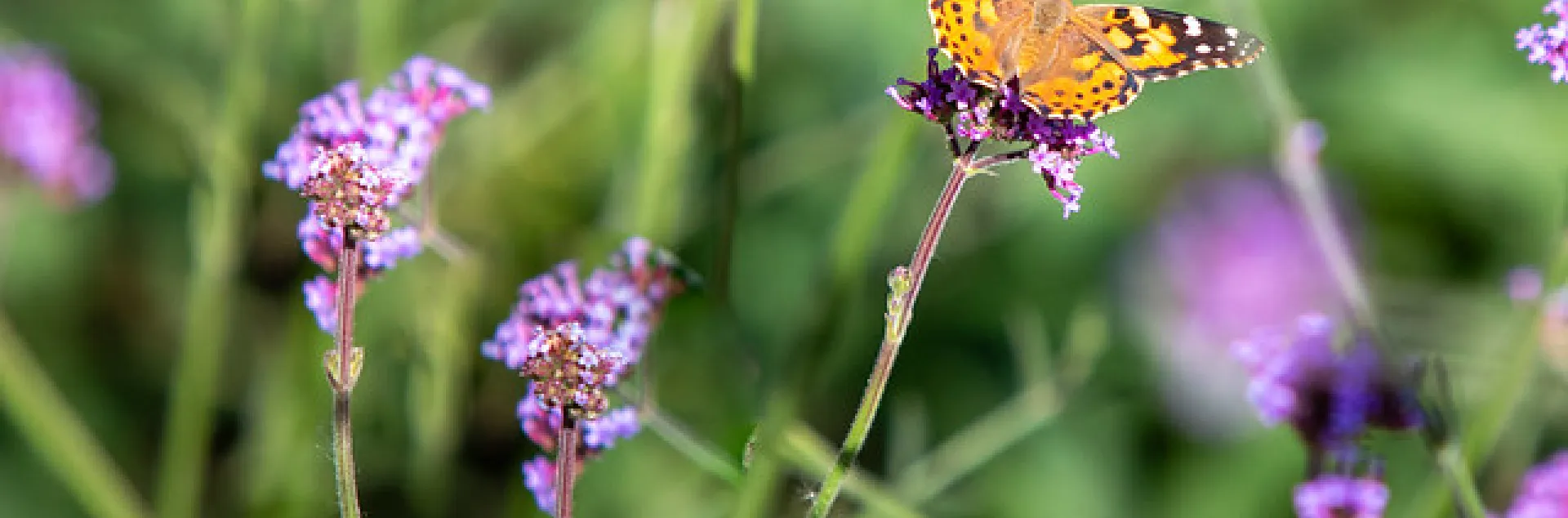
What exactly are pollinators and why do we need them?
You may often hear that pollinators are important and we should support and protect them.
Pollinators play a crucial role in flowering plant reproduction and in the production of most fruits and vegetables. Most plants require assistance to produce seeds and fruit. About 80% of all flowering plants and over three-quarters of the staple crop plants that feed humans rely on animal pollinators. The process of pollination happens when pollen moves between flowers; movement of pollen can be performed by animals, insects, and wind.
The absence of pollinators can cause issues such as reduction in quality and quantity of your garden’s production. For example, fruits and vegetables may become misshapen, fall short of the usual size, or fail to fully develop. Pollination plays a critical role in the reproductive process of plants, and without it, flowers may not be fertilized properly. Insufficient pollination can also lead to a lower yield.
The most common pollinators that come to mind are typically bees, butterflies, and hummingbirds. There are other pollinators that are less known such as bats, beetles, birds, flies, moths, wasps, and other animals. These pollinators all play a critical role in sustaining our ecosystem by helping our plants reproduce.
Encourage, support, and protect pollinators
Ways that you can support and welcome pollinators to your garden:
Plant flowers in your vegetable garden.
Mix flowering plants throughout your vegetable garden. This not only looks beautiful but also attracts helpful animals and insects. Plant flowers that bloom from early spring through fall to provide pollinators with food throughout their active seasons. Select plants that are pollinator friendly, such as native plants to your area.
Some pollinators, namely honeybees, are more attracted to larger blocks of the same flower. Try to plant at least three of the same plant together rather than single plants scattered around. A single honeybee can visit as many as 5,000 flowers in a single day.
Reduce the use of pesticides.
Pesticides may harm beneficial insects along with pests. For effective control while protecting pollinators follow Integrated Pest Management (IPM) principles by identifying pests correctly and using natural control methods first and choosing the mildest treatment options when necessary. Learn more about environmentally friendly pest management at the UC IPM website: Search for the UC Statewide IPM Program (UC IPM).
Provide shelter and water.
Create pollinator friendly gardens by leaving some bare soil for ground nesting bees, keep small brush piles for shelter, add shallow water dishes with stones for insects to drink from.
Supporting our pollinators can be simple and fun!
This article by UC Master Gardener of El Dorado County Jennifer Weber originally appeared in the Mountain Democrat in July 2026.
Any gardening questions can be submitted to the UC Master Gardeners of El Dorado County through their online survey tool.