

Because California is a major hub for commerce and tourism, many non-native organisms, especially plants, insects and other animals, are brought into our state every day, either accidentally or on purpose. Most of them are harmless, but some are invasive species that have a negative impact on the environment and economy. But what is being done about these invasive species?
Many organizations including federal, state and tribal agencies, researchers, land managers and volunteer groups work together to protect our state from these harmful pests. These groups use many different tools and strategies, but are guided by a few key concepts.
Concept 1: An Ounce of Prevention
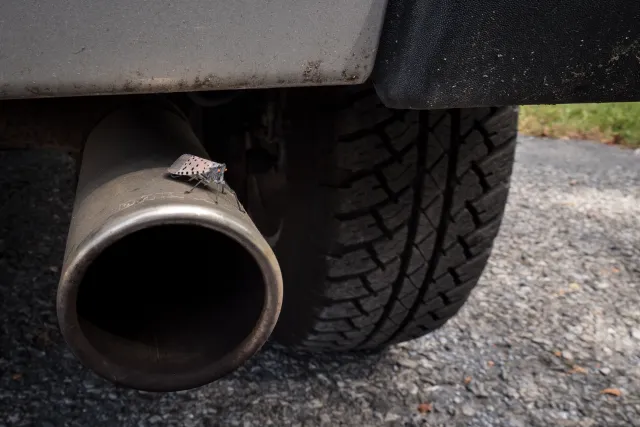
Ben Franklin's famous saying "an ounce of prevention is worth a pound of cure" is true for many problems, including invasive species. It is much more effective and less costly to keep invasive pests from arriving in the first place than it is to control an existing infestation. To reduce the risk of invasive pests spreading, agencies use multiple prevention strategies that work together, such as:
- Quarantines are regulations intended to prevent the spread of invasive pests by restricting the movement of materials that can harbor them.
- Border stations are check points along the state's border where vehicles are inspected for material that could be carrying invasive pests.
- Detector dogs are used to inspect packages, vehicles, boats, shipping containers and other materials for plant matter, soil or organic debris that may harbor invasive pests.
- Public outreach campaigns like Don't Pack a Pest or Don't Move Firewood help people understand that their actions can prevent the spread of invasive pests.
To learn more about quarantines, border stations and detector dogs, visit the California Department of Food and Agriculture (CDFA) Pest Exclusion website, and read our previous blog post on detector dogs.
Concept 2: Nipping the Problem in the Bud
Although most garden weeds are not considered to be invasive species, they make a good analogy to explain why it's important to act quickly to manage invasive pests. If you've ever dealt with weeds in your garden, you know that removing one is much easier than pulling out dozens of them down the road. Invasive species, like weeds in a garden bed, become a bigger problem the longer they are left unmanaged, making early detection and response critical.
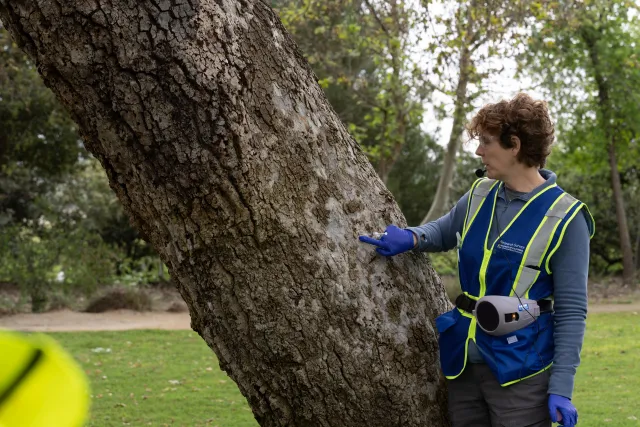
For invasive pests of concern that have not yet been found in California or aren't yet widespread, new infestations are detected using traps, surveys and reported sightings from the public. Once detected, actions are swiftly taken to contain or eradicate (completely remove) the target pest. This strategy is often referred to as Early Detection and Rapid Response, or EDRR.
Concept 3: Long-Term Management
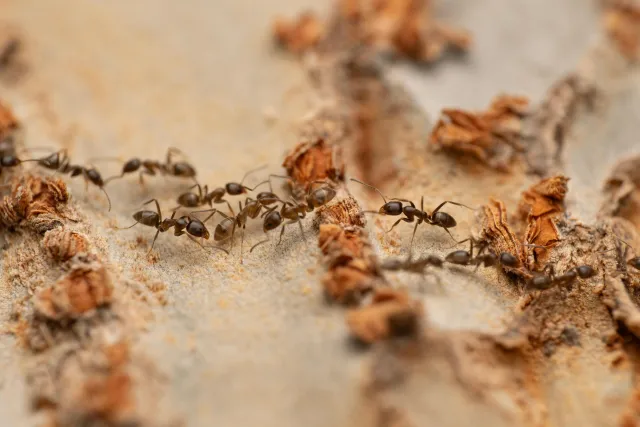
However, eradication is not always possible. Some invasive species, like yellow starthistle and Argentine ants, are now too widespread to eradicate. In cases like these, the goal shifts to long-term, sustainable management strategies such as:
- Biological control, which involves finding and importing natural enemies, such as predators and pathogens, from regions the invasive pest is native to. Read more about biological control in our two-part blog article on biological control.
- Habitat restoration in natural areas by removing invasive species, especially plants, and replacing them with plants native to the region.
- Integrated pest management, or IPM, which promotes safe, effective and sustainable pest control methods. For links to IPM resources on invasive pests, visit UC IPM's Invasive & Exotic Pests webpages.
It Takes a Village
For these efforts to succeed, every one of us has an important role to play. You can help the professionals do their jobs by respecting state and local quarantines, taking care to avoid spreading invasive species while traveling, and sharing what you know with your community. You can also make a big difference by reporting suspected invasive species to your local County Agricultural Commissioner or CDFA's Report a Pest Hotline.
For more insight into statewide efforts to manage invasive pests and a behind-the-scenes look at CDFA's Biological Control Program, watch a recording of UC IPM's recent webinar on invasive pest management presented by specialists from CDFA.
For questions about invasive pests in your area, your local UC Master Gardener Program is an excellent resource. To find your local program, visit the UC Master Gardener website and search for your county.