
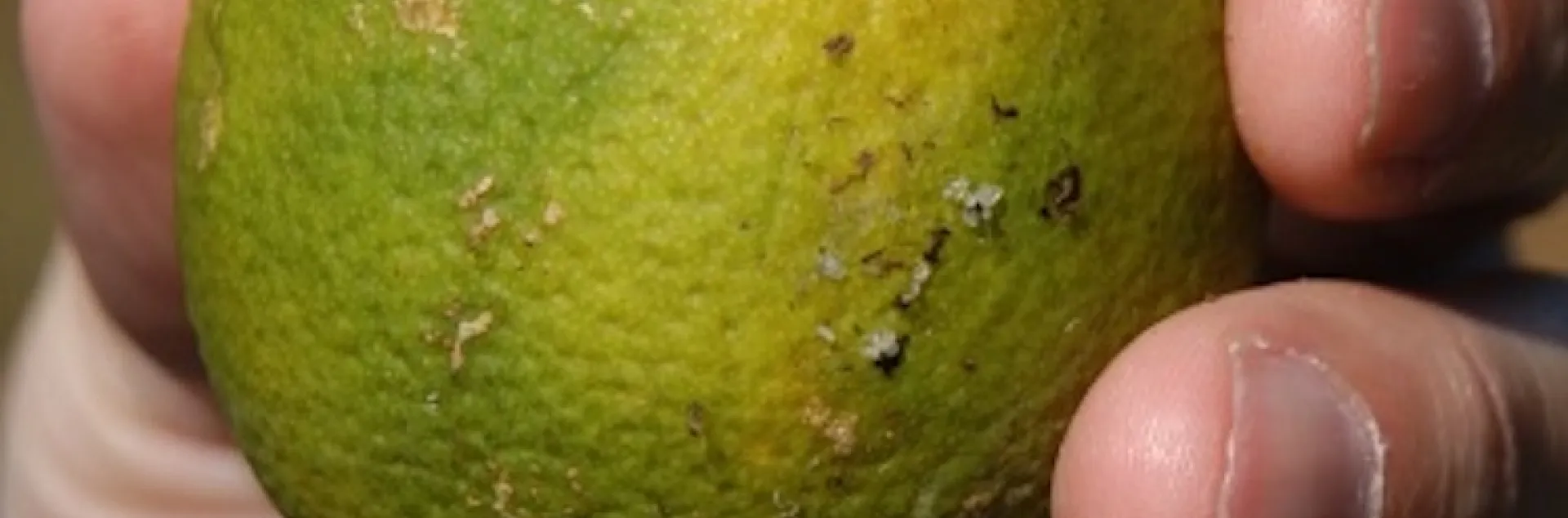
The battle against HLB in California is not decided in commercial orchards — but in backyards.
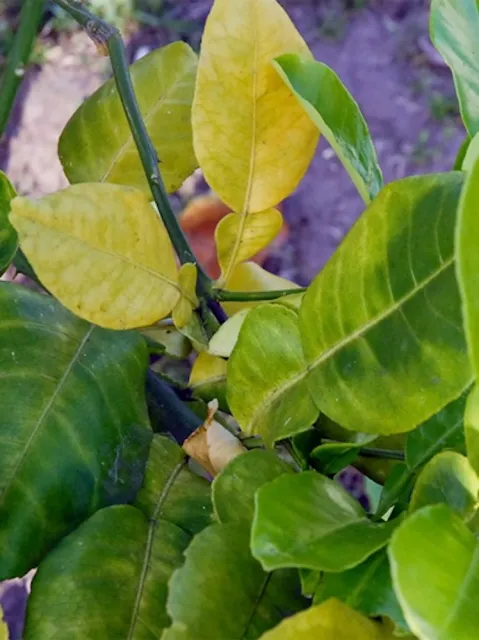
RAMONA, Calif. — The recent detection of Huanglongbing disease (HLB) in citrus trees in the San Diego County community of Ramona has prompted state agricultural authorities to establish a new quarantine to limit its spread. The disease kills citrus trees and is considered one of the most destructive threats to citrus worldwide.
The finding was confirmed by the California Department of Food and Agriculture (CDFA) after the disease was detected in trees on a residential property. Ramona now becomes the first area of that community under quarantine for HLB, joining other areas of San Diego County where the disease has already been detected, including Fallbrook, Oceanside, Rancho Bernardo and Valley Center.
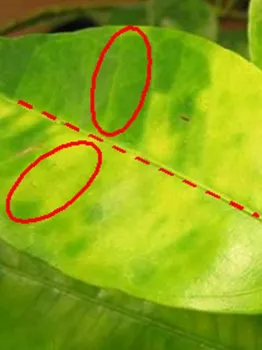
HLB, also known as citrus greening, is caused by a bacterium transmitted by the Asian citrus psyllid, a small insect that feeds on the leaves of citrus trees. The disease causes yellowing leaves, misshapen or bitter fruit and, over time, can lead to the death of the tree. There is currently no cure.
Although the disease does not pose a risk to human health, it seriously threatens commercial and backyard citrus production. California is one of the leading citrus-producing states in the United States, with thousands of acres dedicated to growing oranges, lemons, mandarins and other citrus fruits.
For more than a decade, scientists and agricultural specialists have worked to contain the spread of HLB in the state.
Experts from the University of California Agriculture and Natural Resources (UC ANR) have been monitoring the Asian citrus psyllid, implementing integrated pest management strategies and educating farmers and community members how to prevent the spread of the disease.
Through the University of California Cooperative Extension, farm advisors and scientists collaborate with growers, nurseries and residents to detect the insect vector early, employ control strategies and promote practices that reduce the risk of the disease spreading between trees.
A significant portion of the cases detected in California have occurred in neighborhood citrus trees, making it especially important for residents to participate in prevention and early detection efforts.
Quarantines established when HLB is detected restrict the movement of citrus trees, branches, leaves and fresh fruit outside the affected area to help prevent the disease from spreading to new regions.
What residents can do if they have citrus trees
UC ANR experts and state agricultural authorities recommend:
• Do not move citrus plants or branches outside your area.
• Inspect trees regularly for yellowing leaves or misshapen fruit.
• Report the presence of the Asian citrus psyllid or suspicious symptoms.
• Allow agricultural inspections when requested by authorities.
More information about the disease and how to report possible cases is available at:
https://californiacitrusthreat.org
https://ipm.ucanr.edu/agriculture/citrus/huanglongbing/#gsc.tab=0
https://ucanr.edu/site/asian-citrus-psyllid-distribution-and-management