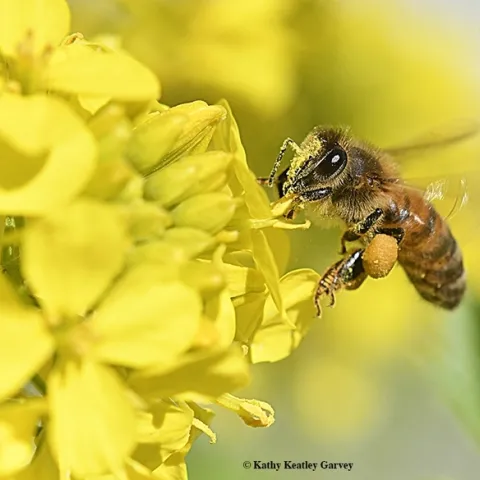
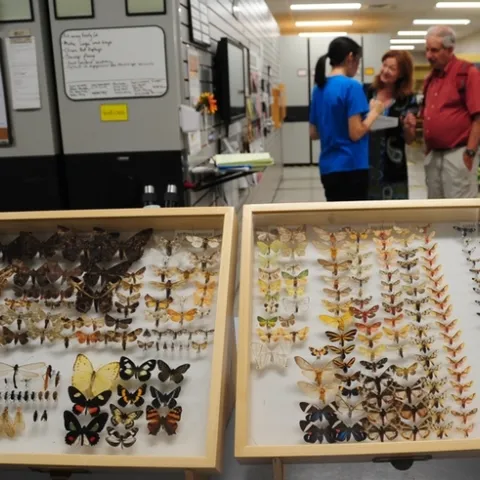
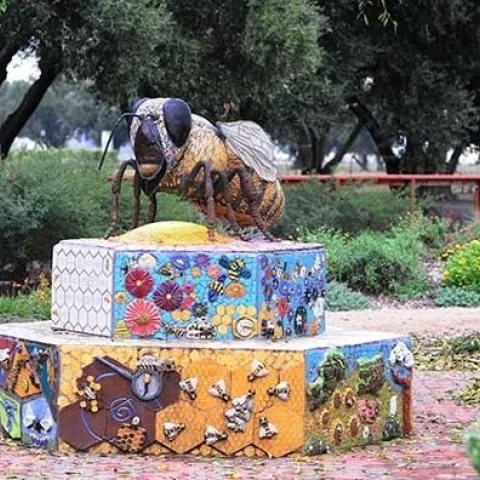
It's science-based and it's family friendly. And it's where you can learn more about honey bees, orchid bees, Asian giant hornets, nematodes, yeast, plants, raptors and other topics that are part of the UC Davis museums and collections.
Claudia P. Diaz Carrasco's passion for science started when she was a little girl. She thanks her parents for allowing her to experiment and think out of the box, two concepts that she values dearly.
Just like a UC Davis double-decker bus, plans are moving right along for the UC Davis Biodiversity Museum Day/Month), being celebrated throughout the month of February. Remember last year? On Feb.
Grace Woodmansee recently joined UC Cooperative Extension as the new Siskiyou County Livestock and Natural Resources Advisor. Grace grew up in Chico and spent her childhood in 4-H raising market lambs and being actively involved in club leadership.
"The U.S. pandemic mitigation strategies have profoundly disrupted young people's education, daily life, health, and well-being. During 2020, the number of young people visiting emergency rooms for mental health-related issues rose by over 30%.
It's all about the birds and the bees and the flowers and the... Think birds and bats, honey bees and hornets, butterflies and beetles, and the flowers they pollinate. Think yeast cultures and cougars, and nematodes and nightingales, and lions and ladybugs.
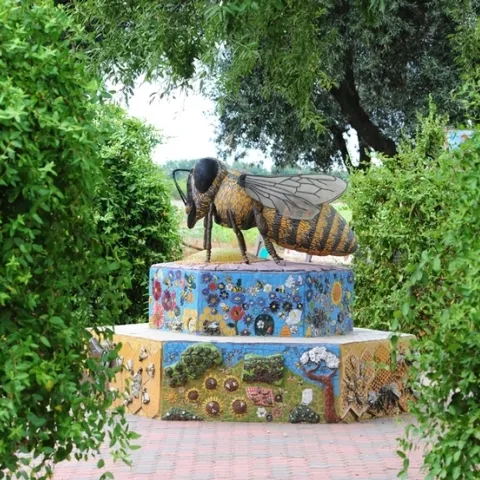
Crowdfund UC Davis began today (Feb. 1) for the UC Davis Biodiversity Museum Day (Month), the Hagen-Dazs Honey Bee Haven and the California Master Beekeeper Program and will continue through the month of February.
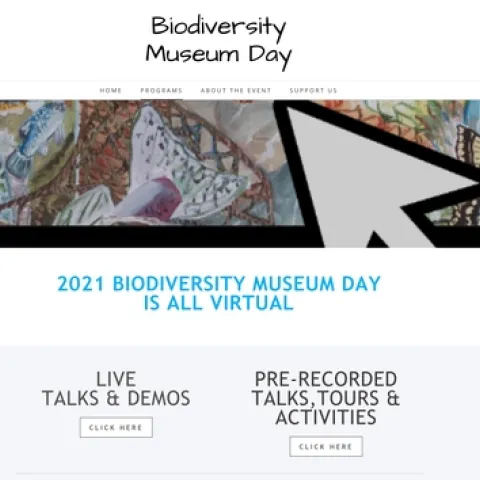
The 10th annual UC Davis Biodiversity Museum Day will be different this year. It will not be a day--it will be a month, the month of February. It will not be a walk-around event--it will be virtual.
Approximately 2 of every 3 children in the US spend time in child care settings where they consume much of their daily nutrition. Improving the foods and beverages offered in child care settings is a known childhood obesity prevention strategy.