UC ANR is committed to providing an accessible and inclusive web experience for all users. If you encounter an accessibility barrier or need content in an alternative or remediated accessible format, please contact anraccessibility@ucanr.edu.
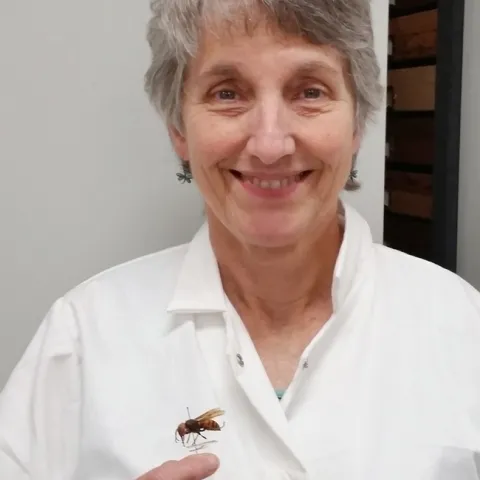
Do you have a question about wasps or want to learn more about them? Be sure to attend the free and family friendly Bohart Museum of Entomology open house on "Weird and Wonderful Wasps" from 1 to 4 p.m., Sunday, Sept. 25 in Room 1124 of the Academic Surge Building, 455 Crocker Lane, UC Davis campus.
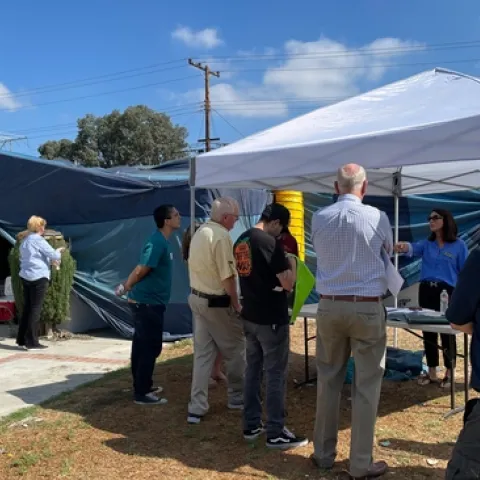
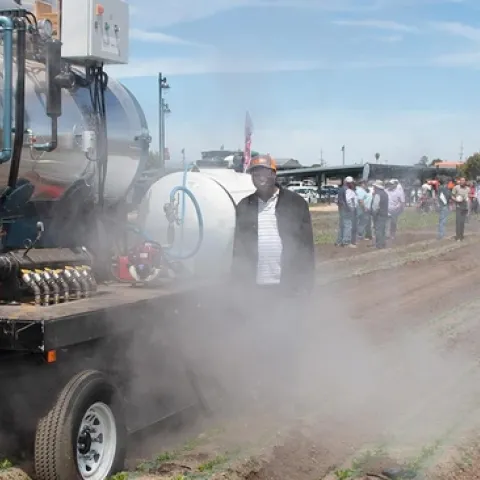
2022 UCR Fumigation School was successfully held on September 14-15, 2022 at Kellogg West Conference Center, Cal Poly Pomona. With >50 participants, the event included talks on termite biology, physical properties of fumigants, and bed bug and fumigation etc.
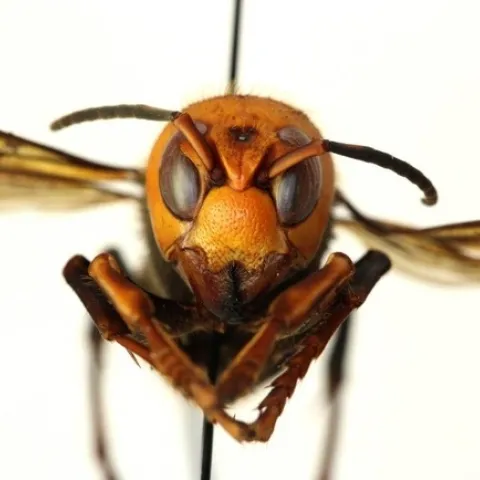
Weird and Wonderful Wasps, including the Asian giant hornet, aka murder hornet, will highlight the Bohart Museum of Entomology open house, set from 1 to 4 p.m., Sunday, Sept. 25 in Room 1124 of the Academic Surge Building, 455 Crocker Lane, UC Davis campus. The event is free and family friendly.
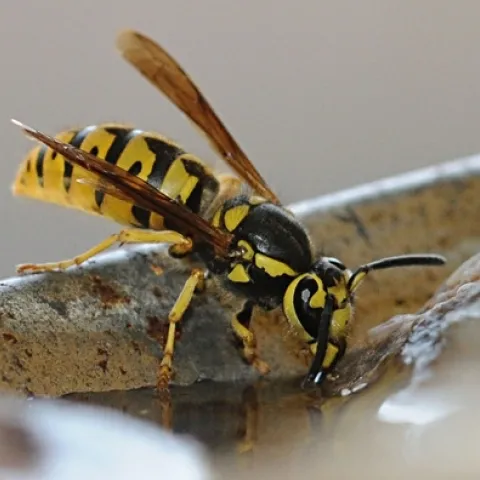
Meet the "meat bees." Yellowjackets, commonly known as "meat bees," in comparison to the "vegetarian" honey bees, will be among the wasps featured at the Bohart Museum of Entomology's open house from 1 to 4 p.m., Sunday, Sept.
The UC Davis Department of Entomology and Nematology's series of 11 seminars for the fall season will begin Wednesday, Sept. 21 with a presentation on Diabrotica (cornroot worms).
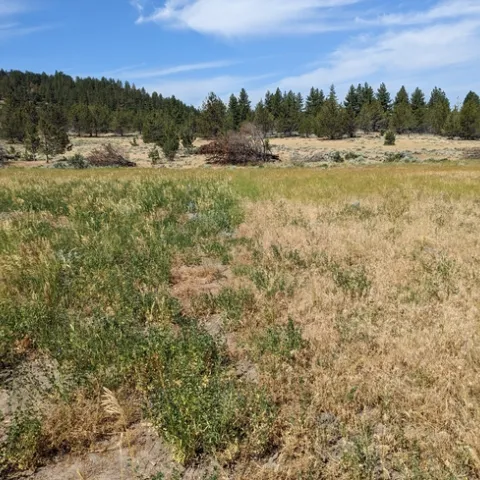
Winter annual grasses are one of the major invaders on rangelands in the intermountain region. They also can be problematic in a variety of systems from farm ground to forestry (cheatgrass in particular).
Assistant professor Nicholas "Nick" Miller of the Department of Biology, Illinois Institute of Technology, Chicago, will present the first-of-the-fall seminars hosted by the UC Davis Department of Entomology and Nematology, on Wednesday, Sept.
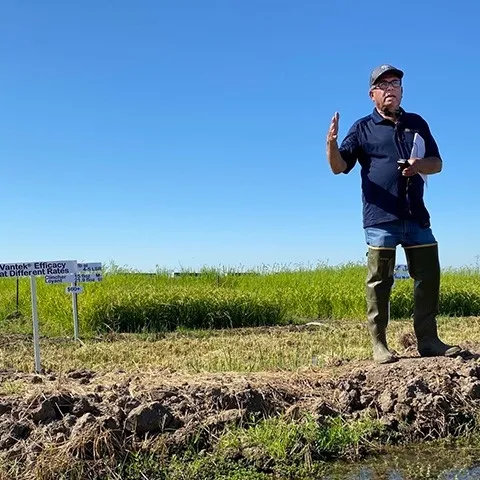
New varieties of rice that offer more effective weed control with less herbicide were showcased by UC Davis Department of Plant Sciences researchers at the recent Rice Field Day north of Yuba City in California's Central Valley.
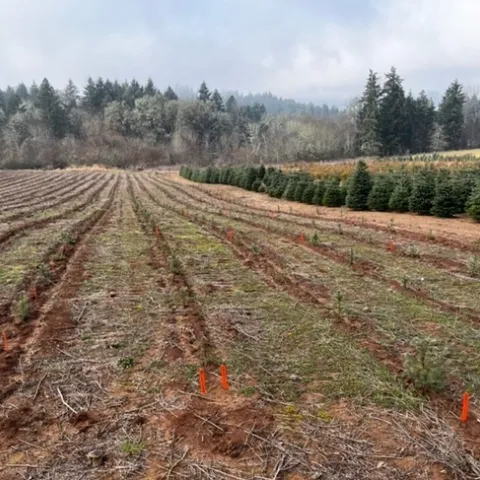
Oregon leads the United States in the production of Christmas trees, with almost 8.5 million trees sold in 2015. Weed control is essential in Christmas trees to reduce competition for moisture and nutrients, allow fast and robust tree growth, and ensure growers top prices for high-quality trees.