UC ANR is committed to providing an accessible and inclusive web experience for all users. If you encounter an accessibility barrier or need content in an alternative or remediated accessible format, please contact anraccessibility@ucanr.edu.
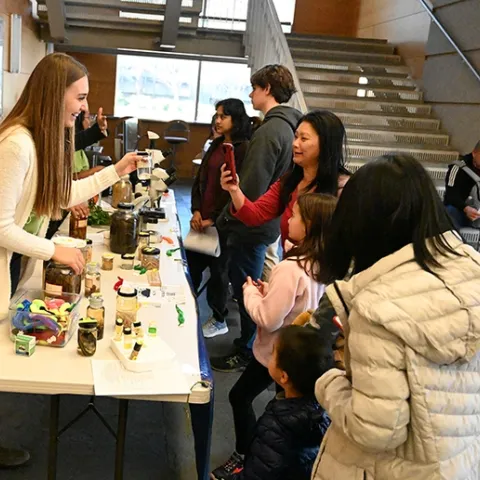
Can you link nematodes, aka roundworms, with tomatoes, sugar beets, peaches, dogs, horses, whales and even Mormon crickets? You'll see specimens and get to talk to nematologists during the 13th annual UC Davis Biodiversity Museum Day on Saturday, Feb. 10.
Follow these general tips for the month of February to prevent pest in the garden and landscape. To view more tips specific to your region, visit the Seasonal Landscape IPM Checkliston the UC IPM website. Protect sensitive plants from freezing and frost damage.
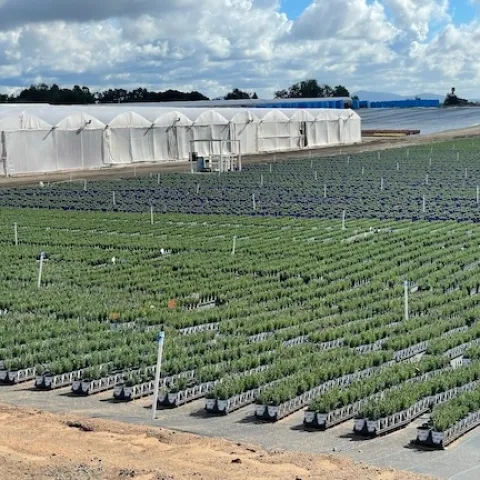
Helechos colgantes dan la bienvenida a los visitantes en medio de un oasis de vegetacin, cuidadosamente resguardados en el interior de estructuras de plstico que sirven como invernadero para cientos de plantas, en su mayora tropicales.
Emilia Santos se levanta todos los das a las 4:30 de la maana, ella cultiva vegetales en el 1.6 acre de terreno en donde tiene su propia granja Alpha & Omega Organic Farm en Salinas, California.
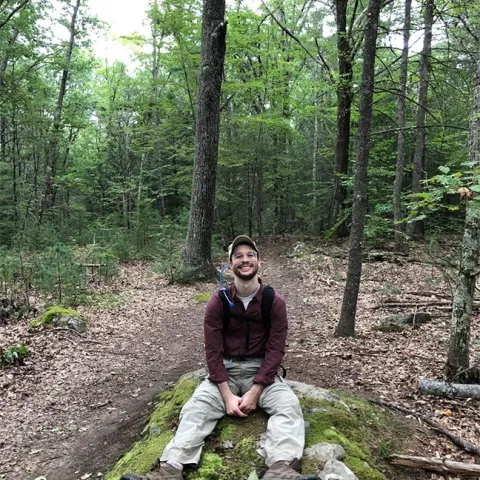
"Forests cover approximately 30 percent of the Earth's landmass and provide important ecosystem services that include food, fuel, and timber, as well as habitat for diverse organisms. Threats posed to forests by invasive and pestiferous species are rapidly growing.
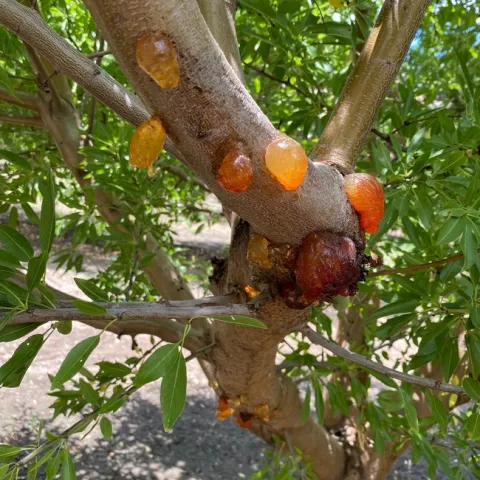
With heavy rains in the forecast amid strengthening El Nio conditions, almond growers should be on the lookout for a rare disease that can cause severe damage to their orchards, according to Florent Trouillas, a University of California Cooperative Extension specialist in fruit and nut pathology.
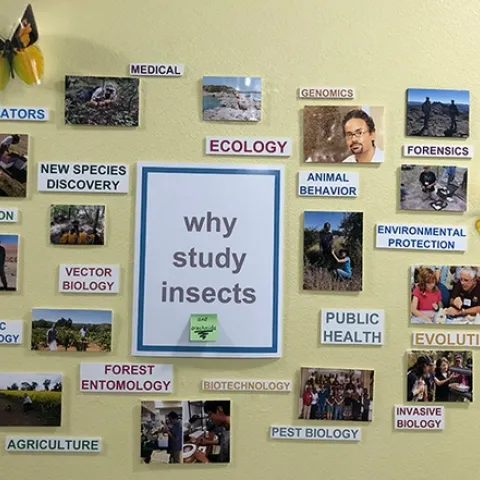
"Why Study Insects?" That's the title of a poster next to the door of the Bohart Museum of Entomology, located in Room 1124 of the Academic Surge Building, 455 Crocker Lane, UC Davis.
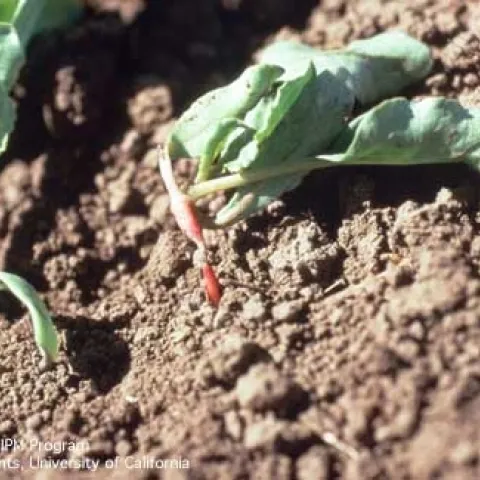
Springtime planting is almost here but don't rush to plant seeds until the soil has warmed up! Planting seeds too soon, when the soil is cold and wet, risks losing them to damping-off, a disease caused by fungi and oomycetes in the soil.
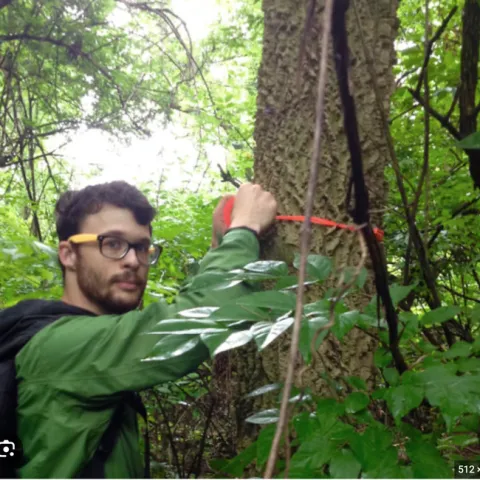
Forest entomologist Todd Johnson assistant professor at Louisiana State University, will speak on "Characterizing Ecological Interactions of Arthropods in Forests under Global Change"at the next seminar hosted by the UC Davis Department of Entomology and Nematology.