UC ANR is committed to providing an accessible and inclusive web experience for all users. If you encounter an accessibility barrier or need content in an alternative or remediated accessible format, please contact anraccessibility@ucanr.edu.
Pest Management & Plant Health
Smart Water Living: Urban Water Use Efficiency in SoCal: Article
Welcome to Smart Water Living Blog– your local guide to urban water efficiency and conservation in Southern California. From drought-tolerant landscaping to smart irrigation and water-wise policies, we share practical tips, expert insights, and real stories to help you save water without sacrificing comfort…
Just a few more weeks of summer remain! As the weather begins to shift, you may need to adjust your landscaping practices to prevent and monitor for fall pests. The UC IPM Seasonal Landscape IPM Checklist is a monthly guide to help you avoid common pests of landscape plants.
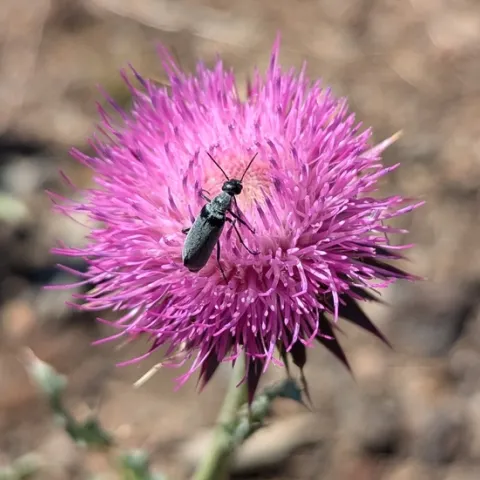
I have gotten quite a few calls about blister beetles this year. There was a newspaper article up in Modoc that caused some stir, and was picked up by a lot of social media pages. So, what are blister beetles and why do we care? Blister beetles get their name for a reason.
Nobody wants cockroaches in their home, especially since these pests can cause and worsen allergies in children, transmit diseases and bacteria, and contaminate foods.
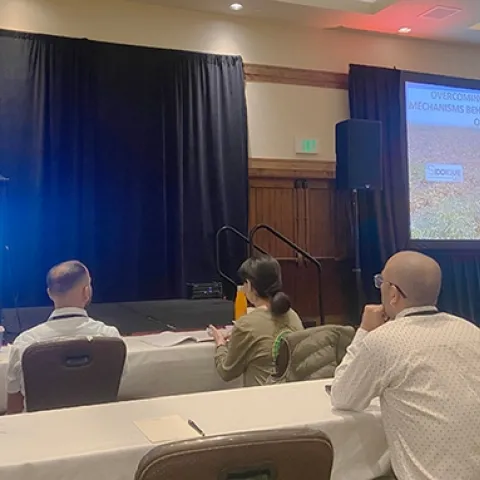
Nematodes are where it's at! Two UC Davis nematology doctoral students were invited to give research presentations at the international Society of Nematologists' conference in Park City, Utah and they excelled.
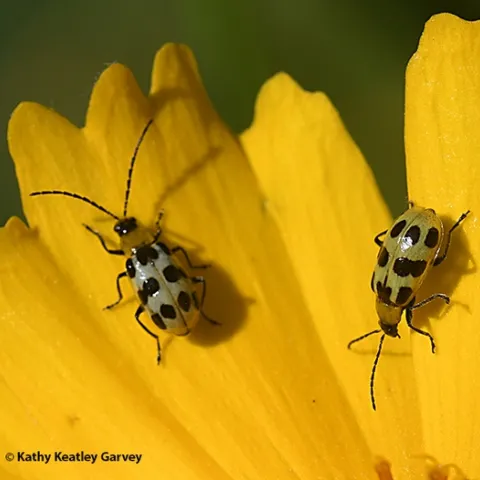
So there you are, admiring your Coreopsis and suddenly you notice spots and holes--spots on the backs of two western spotted cucumber beetles, and holes cut in the petals. Ah, there's two of them. The beetles, about a fourth of an inch long, are fun to photograph, but they're not your buddies.
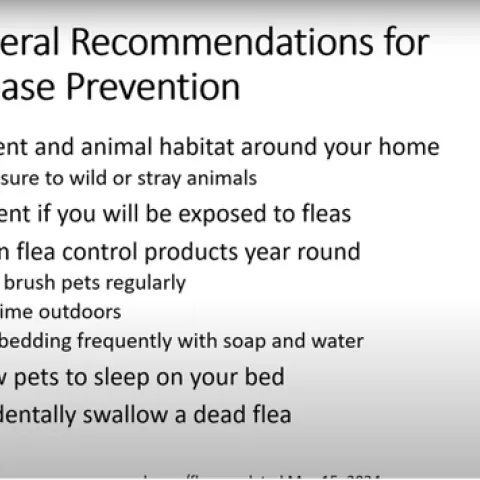
Fleas can be found on pets year-round, but populations tend to increase dramatically in spring and summer when temperatures are warmer. Larvae develop rapidly in areas where temperatures reach 70 to 90F.
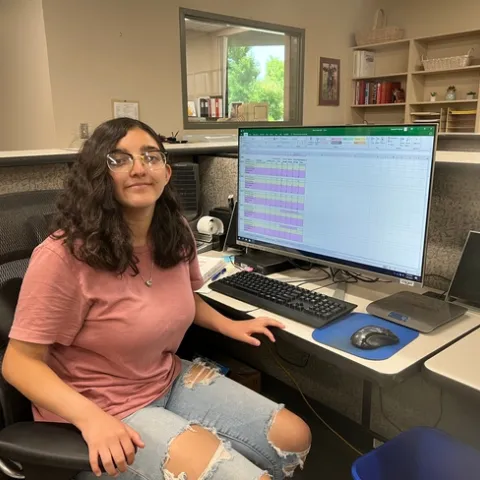
Mireya Molina, a rising senior at El Diamonte High School, joined UCCE Tulare County as a 2024 summer research intern serving the nut, olive, and prune research and extension program. Mireya has a strong science background and is an active member of her high school horticulture and FFA programs.