UC ANR is committed to providing an accessible and inclusive web experience for all users. If you encounter an accessibility barrier or need content in an alternative or remediated accessible format, please contact anraccessibility@ucanr.edu.
Above 2000 ft. : prune deciduous fruit trees, cane berries Below 2000 ft.: prune grapes, roses, crepe myrtle. Paint trunks of bare root and young fruit trees to prevent borers and protect from sunburn. Use interior white latex paint with equal amounts of water and apply generously.
Discover how to manage and ID mammal pests at home - effective strategies to protect home and garden from squirrels, gophers, moles, voles, raccoons, and more.
No matter how long youve been gardening months, years, or decades, sooner or later, just about every gardener will encounter a plant problem. While many are easily eliminated, there might be occasions when a pest or disease reaches a level where some sort of control measures is warranted.
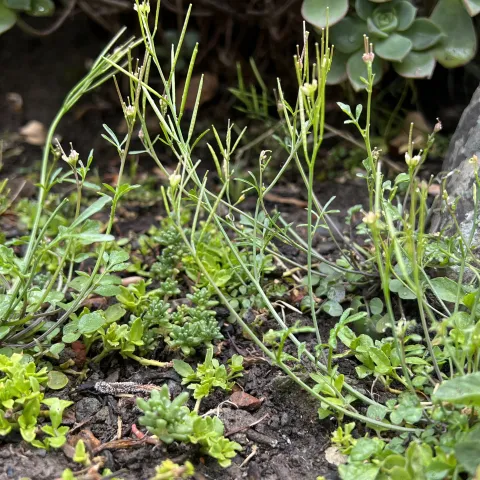
Lambert Yuri, Unsplash > Types of weeds > Life cycle of weeds > How to identify weeds > Managing weeds > What to do when you already have weeds > What you should know about weedkillers > How to prevent weeds Weeds are generally defined as any plant growing in a place where you dont want it, or a pla...
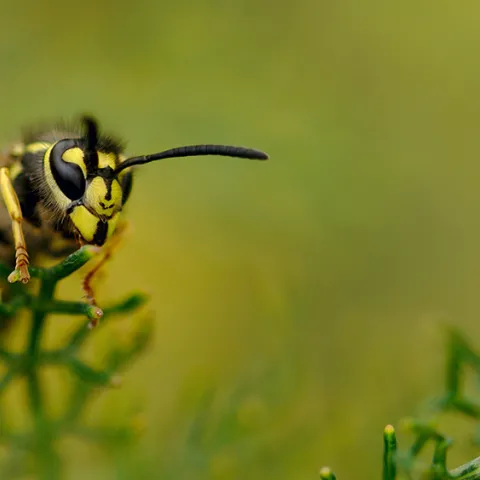
Photo: N Londeree Pests in a garden or landscape can include all kinds of different life forms. From the microscopic disease-producing bacteria to large foliage-eating deer, they come in many types, sizes, shapes, forms, and destructive abilities.
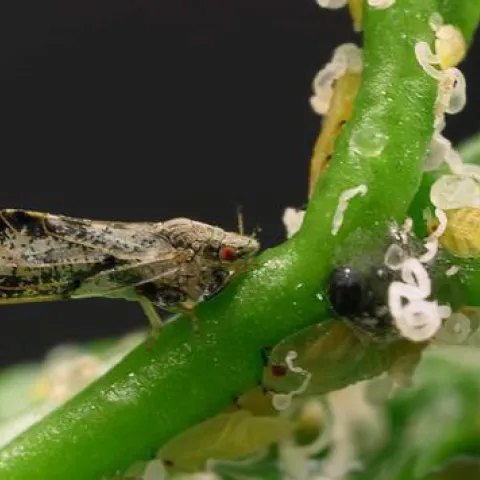
Current Quarantines: A Mediterranean Fruit Fly quarantine is in effect for large parts of San Jose, as well as sections of Campbell, Los Gatos, Santa Clara, and Milpitas. Asian citrus psyllid (ACP) County-wide quarantine on citrus fruits, leaves, and trees; also Indian curry leaf and other hosts The Asian…
Since the first week of August 2024, the UCCE Entomology program at Imperial County has maintained a yellow sticky trap network across the Imperial Valley.
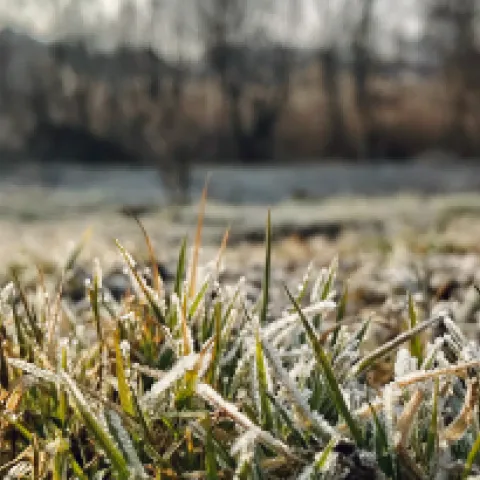
Wikimedia Commons > Physical factors > Environmental factors > Mechanical factors > Chemical factors Stormy weather, lack of water, drifting herbicides, freezing temperatures, transplant shock, compacted soils, mower injury, and lack of nutrients are some examples of factors that can damage plants.