UC ANR is committed to providing an accessible and inclusive web experience for all users. If you encounter an accessibility barrier or need content in an alternative or remediated accessible format, please contact anraccessibility@ucanr.edu.
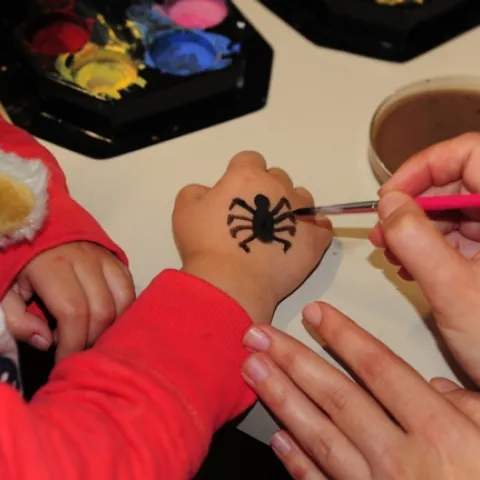
Oh, the myths about insects and spiders! It was a fun and educational afternoon when the UC Davis Bohart Museum of Entomology hosted an open house last Sunday. Visitors checked out the displays, asked the entomologists and staff questions, and looked over the list of myths.
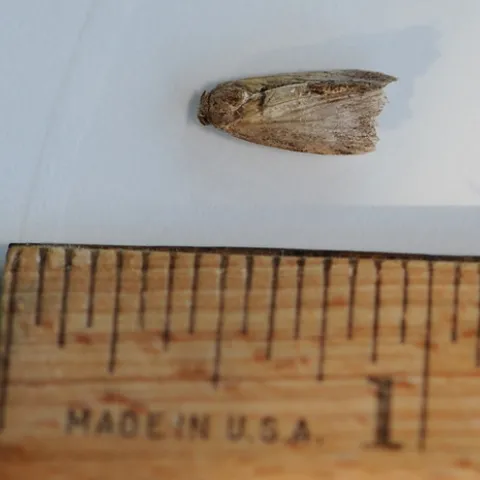
The female Greater Wax Moth (Galleria mellonella) is a sneaky creature. She flies around bee hives at night and when the opportunity presents itself--as it often does--in she goes to lay her eggs. The egg hatch into larvae, which munch and crunch just about everything in sight.
Lady beetles, aka ladybugs, eat lots of aphids. Did we say lots of aphids? Lots of aphids. They have no portion control. If you watch closely, you'll see them gobble aphids like theater-goers devour buttered popcorn.
So, you want to become an entomologist... Entomologists, future entomologists and others interested in science are looking forward to the fall seminars sponsored Oct. 1 through Dec. 3 by the Department of Entomology, University of California, Davis.
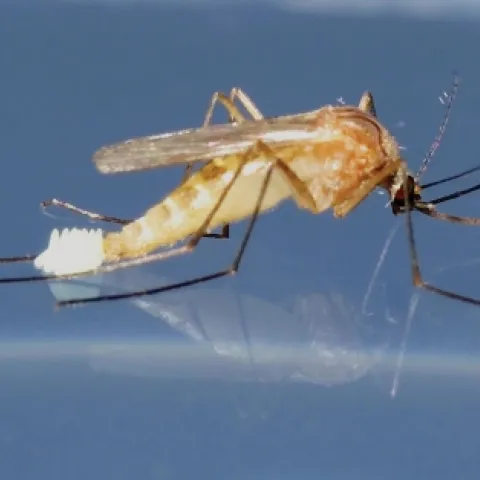
Whew, that stinks! If you've ever smelled a mosquito gravid trap, you know it's not heaven-scent. This isn't about the aroma of summer roses or the whiff of freshly baked cinnamon rolls or the fragrance of vanilla-laced skin cream. No. This is something that stinks to high heaven.
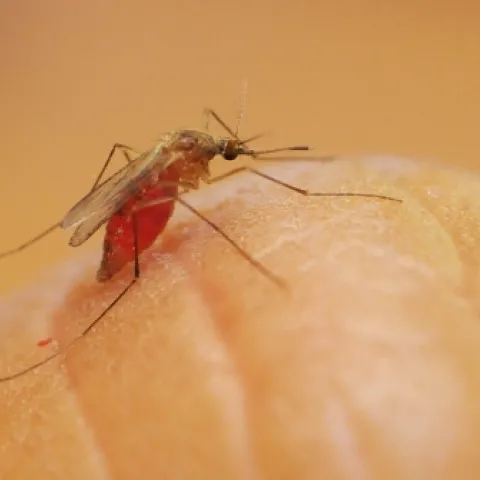
We know it works, but how? Just how does DEET work? Does it jam the senses of a mosquito? Does it mask the smell of the host? You spray the chemical repellent on your arm and thankfully, those darn skeeters leave you alone.
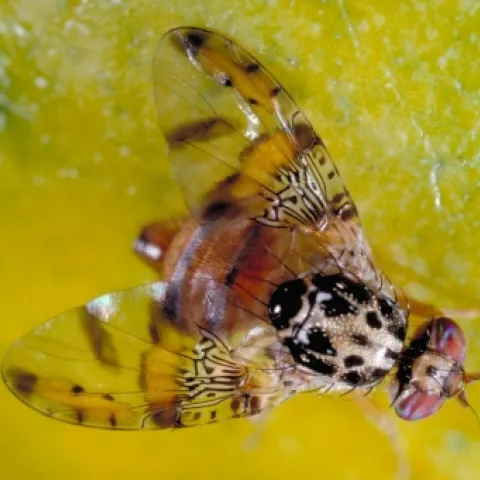
The war is overagain, wrote reporter Pat Brennan of the Orange County Register in a news article published Aug. 14. Brennan was referring to the war against the Mediterranean fruit fly, a tiny pest that targets some 260 crops.