Pest Management & Plant Health

Primary Image
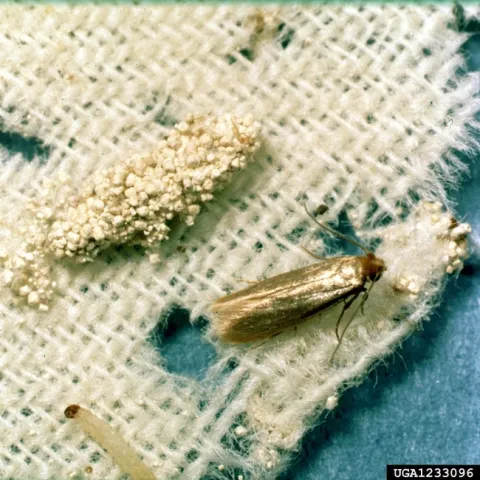
Webbing clothes moth. (Photo credit: Clemson University, USDA Cooperative Extension Slide Series, Bugwood. org)
Pests in the Urban Landscape: Article

Controlling Clothes Moths

February 20, 2018
By Anne E Schellman
Spotting a small moth fluttering around your closet then discovering damaged fabric or other items can be shocking. Upon further inspection, you may even see the silken webs spun by the larvae, or the droppings they leave behind.
View Article
Primary Image
Esplnade 7 oz
UC Weed Science (weed control, management, ecology, and minutia): Article

Follow Up: Pre-emergence Medusahead Control in the Intermountain Region

February 19, 2018
By Thomas J Getts
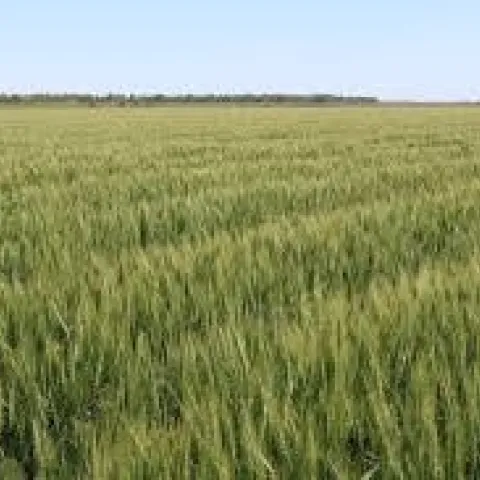
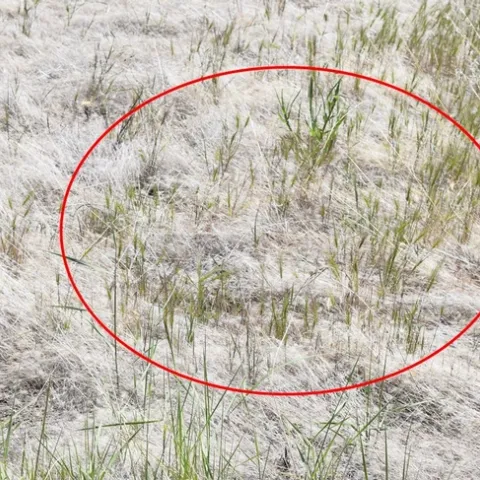
Last year about this time, I posted a blog regarding an ongoing trial investigating various herbicides for Pre-emergent Control of Medusahead. I wanted to follow up on that trial which I deemed unsuccessful and share some of the data collected in 2017.
View Article
Primary Image
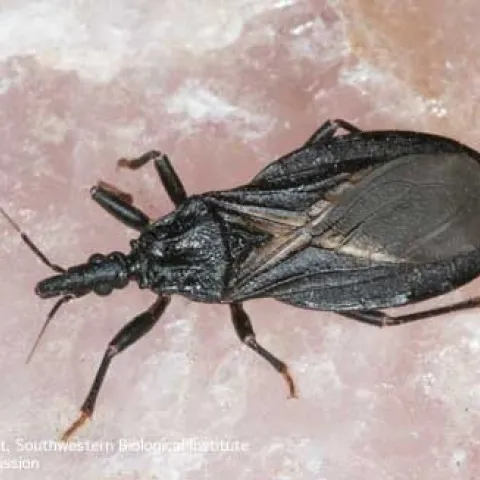
Adult western conenose bug, Triatoma protracta. (Credit: Justin Schmidt)
Pests in the Urban Landscape: Article

Kissing bugs are not your valentine

February 12, 2018
By Karey Windbiel-Rojas
Conenose or kissing bugs' (Triatoma spp.) are in the Reduviidae family, a group of insects known for a sturdy body and large proboscis. Most reduviids are beneficial as insect predators, and include various species of assassin bugs.
View Article
Primary Image
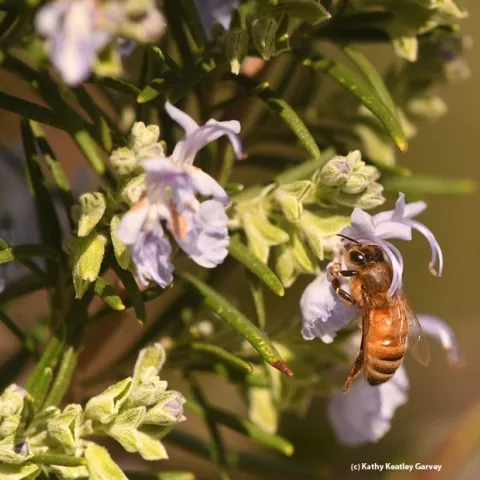
A honey bee nectars on a rosemary blossom on Feb. 9 on the UC Davis campus. (Photo by Kathy Keatley Garvey)
Bug Squad: Article

Honey Bees Think It's Spring on the UC Davis Campus

February 9, 2018
By Kathy Keatley Garvey
Spring doesn't "spring" on the University of California, Davis campus. Sometimes it skitters, scampers and scoots. That's in between the cool and warm temperatures that deceive us--and the bees.
View Article
Southern IPM Activities: Article

Pesticide Safety Train the Trainer is Back

February 8, 2018
By Cheryl A Wilen
Pesticide Safety Instructor Training Workshops Update your knowledge of changing regulations! This course meets the requirements established by the revised Worker Protection Standard, which is mandated by the US Environmental Protection Agency and the California Department of Pesticide Regulation.
View Article
Primary Image
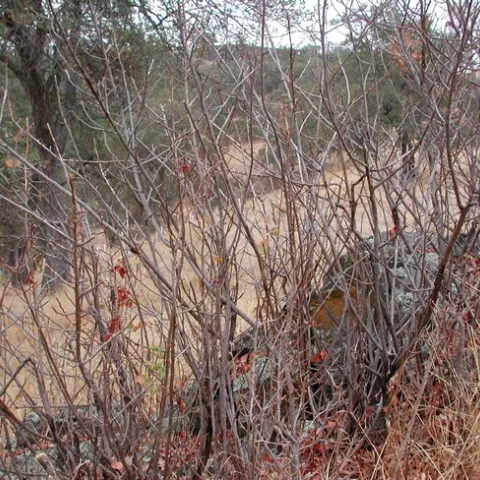
Poison oak stalks after leaf loss. (Credit: Anne McTavish)
Pests in the Urban Landscape: Article

Poison Oak: Not Just a Summer Problem

February 7, 2018
By Anne E Schellman
Campers and hikers are often warned to avoid poison oak in summer by looking out for green plants with glossy leaflets of three. However, as weather cools, the appearance of the plant changes, making it more difficult to identify.
View Article
Primary Image
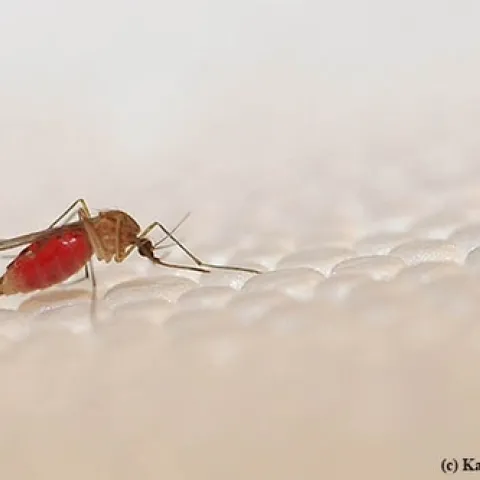
This Culex mosquito, Culex quinquefasciatus, transmits West Nile virus and other viruses. (Photo by Kathy Keatley Garvey)
Bug Squad: Article

Why Vector-Borne Diseases Remain a Key Threat to Human Health

February 5, 2018
By Kathy Keatley Garvey
"Vector-borne diseases remain a key threat to human health, wildlife, and plants, in part, due to the multitude of factors that influence their transmission," says biologist A. Marm Kilpatrick, assistant professor in the Department of Ecology and Evolutionary Biology, UC Santa Cruz.
View Article
Primary Image
California burclover. [Credit: Jack Kelly Clark]
Community Pest News: Article

Controlling Winter Weeds

February 2, 2018
By Karey Windbiel-Rojas
Weeds can be a real nuisance in gardens and landscapes, and even during the colder winter months, some kinds of weeds continue to grow and thrive. These are called winter annual weeds. Most weeds are classified as annuals, biennials, or perennials.
View Article