UC ANR is committed to providing an accessible and inclusive web experience for all users. If you encounter an accessibility barrier or need content in an alternative or remediated accessible format, please contact anraccessibility@ucanr.edu.
Welcome to our blog! We are excited to announce the University of California Cooperative Extension (UCCE) Master Gardener Program is starting in Stanislaus County.
Our postdoctoral scholar, Dr. Jia-Wei Tay, has successfully completed her postoctoral research, and will be leaving the Choe laboratory. Dr. Tay has been working on a novel baiting system (i.e.
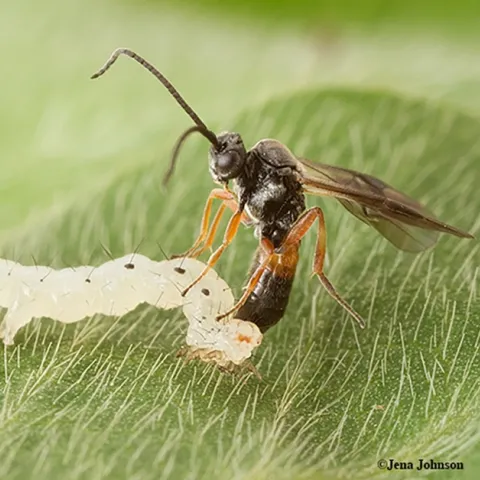
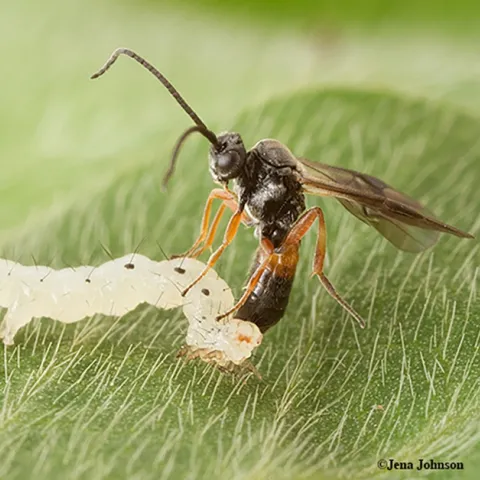
Have you ever seen a wasp oviposit or lay its eggs inside a caterpillar? Or the egg of a moth? it's not always easy to tell what's going on without destroying both species.
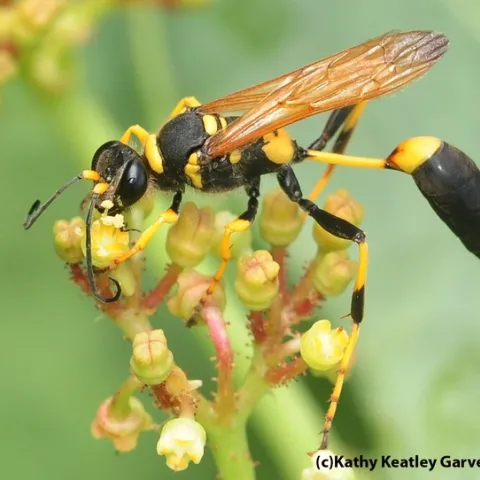
UC Cooperative Extension advisors are on the front line and get the most interesting questions from our community. Someone brought some wasps into our office, and was worried they were invading her home, and wondered how to get rid of them.
It's green, it's tiny, and everyone is hoping it doesn't wreak any havoc in the vineyards. "It" is the three-cornered alfalfa hopper, Spissistilus festinus, a lear-winged, wedge-shaped (thus the name "three-cornered") insect that's about a quarter of an inch long.
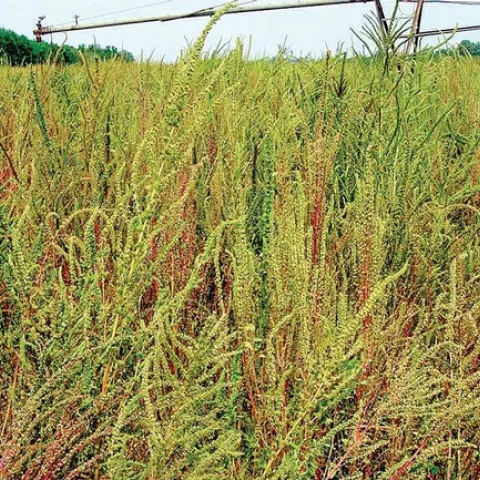
From Growing Produce by Karli Petrovic | November 27, 2018 https://www.growingproduce.com/vegetables/field-scouting-guide-palmer-amaranth/ This month's field scouting guide concentrates on Amaranthus palmeri S. Watson (Palmer amaranth).
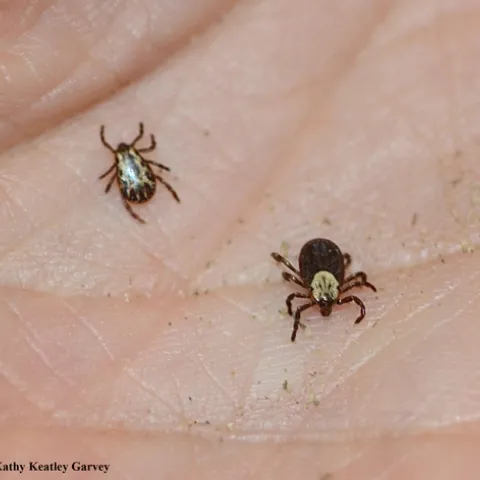
They ticked me off. Ticks can do that to you. I never think about ticks during the holiday season, but a news release from the University of Cincinnati about how Hungry Ticks Work Harder to Find You piqued my interest--and memories of the day our family inadvertently collected a total of 14 ticks.
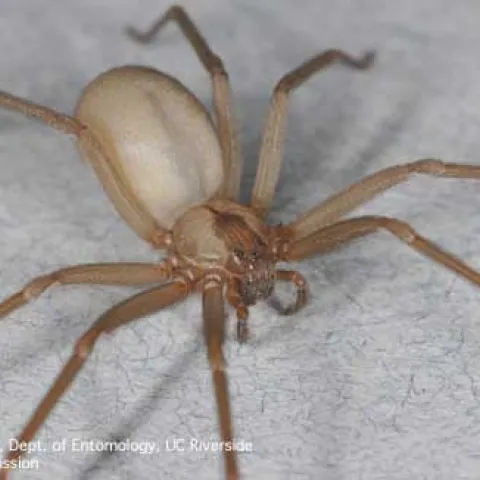
No we aren't here to tell you we found one. Because brown recluse spiders do not live in California. Don't believe this last statement? Then please read the recently updated publication Pest Notes: Brown Recluse and Other Recluse Spiders by UC Riverside spider expert Richard S. Vetter.