UC ANR is committed to providing an accessible and inclusive web experience for all users. If you encounter an accessibility barrier or need content in an alternative or remediated accessible format, please contact anraccessibility@ucanr.edu.
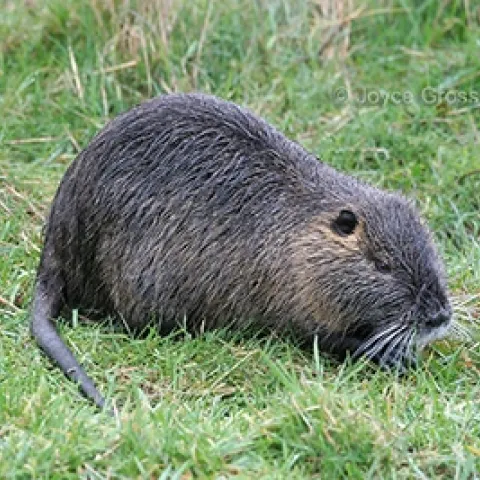
Nutria are found near rivers, streams, lakes, ponds and wetlands. Their burrowing and feeding on vegetation can cause damage. In addition, they can carry pathogens and parasites.
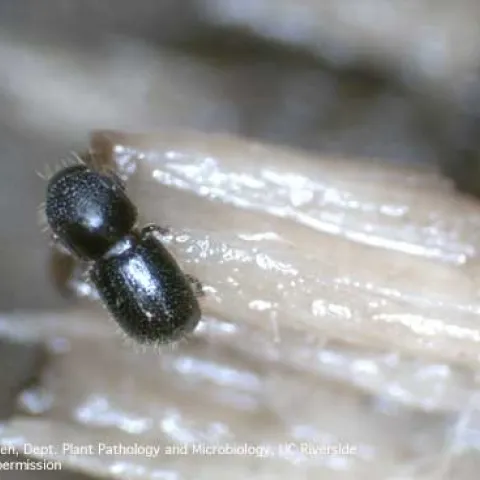
Small beetles are causing big problems in Southern California. Two closely related species, the polyphagous shot hole borer and the Kuroshio shot hole borer (collectively referred to as invasive shot hole borers), have been attacking more than 60 species of trees.
UC IPM agrees that Black lives matter, and that we must act now to end the systemic racism that allows police violence to take Black lives, including George Floyd, Breonna Taylor, Tony McDade, Stephon Clark, Darell Richards, Marshall Miles, Joseph Mann, Atatiana Jefferson, Sandra Bland, and countles...
While some may find them cute, both the Eastern gray squirrel (Sciurus carolinensis) and the Eastern fox squirrel (S. nigeri) are actually invasive species in California. They are two of four species of tree squirrels found throughout the state.
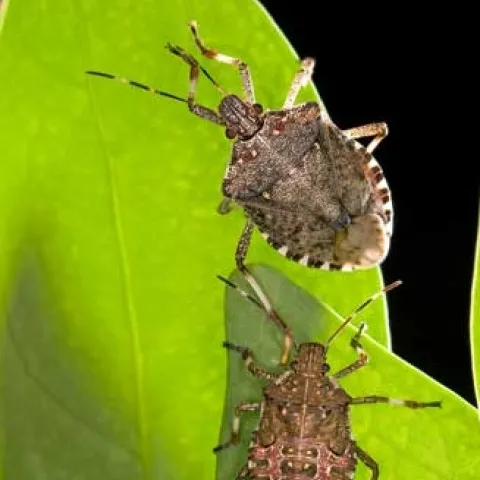
Stink bugs are common pests in gardens but the brown marmorated stink bug, or BMSB, is of particular concern. BMSB (Halyomorpha halys) was first detected in Los Angeles County in 2006 and has since been detected in many other parts of California with large populations in some counties.
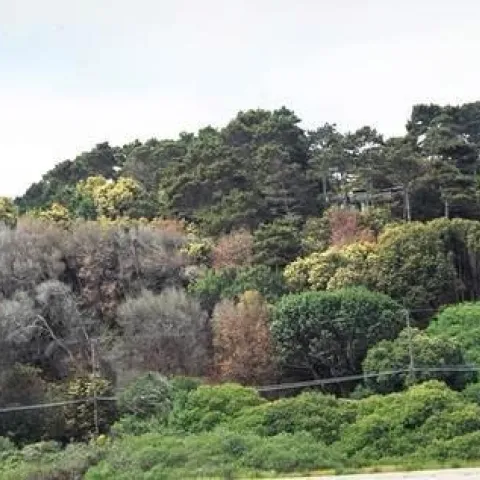
Sudden oak death is a disease of oak trees that is caused by an invasive plant pathogen Phytophthora ramorum. The disease has been found infecting trees in coastal California counties from Monterey to Humboldt and can be spread by moving infested soil and plant material. In California, P.
For a 7th year, the California Department of Fish and Wildlife will celebrate California Invasive Species Action Week, which this year will be from Saturday, June 6 through Sunday, June 14, 2020.
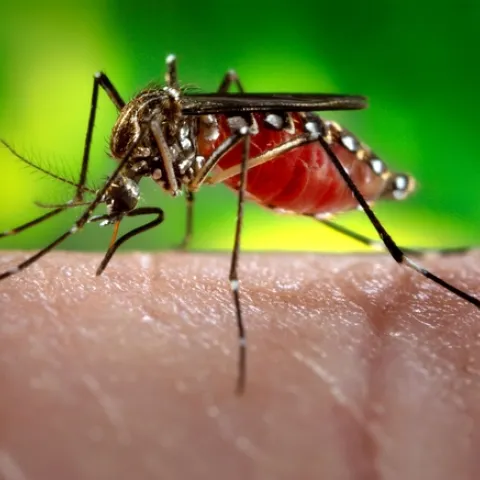
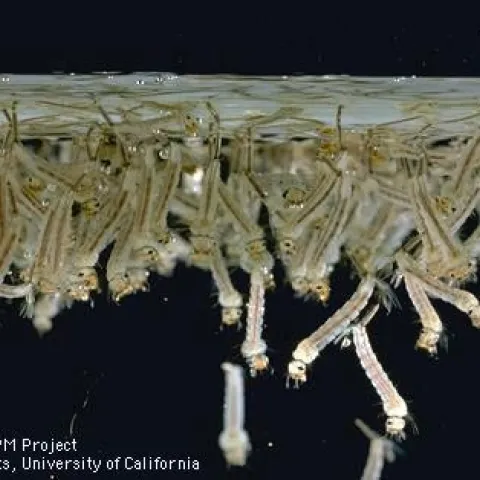
From UC IPM Pests in the Urban Landscape blog. As summer quickly approaches and we find ourselves getting outside a bit more, remember to take care to protect yourself from mosquitoes.
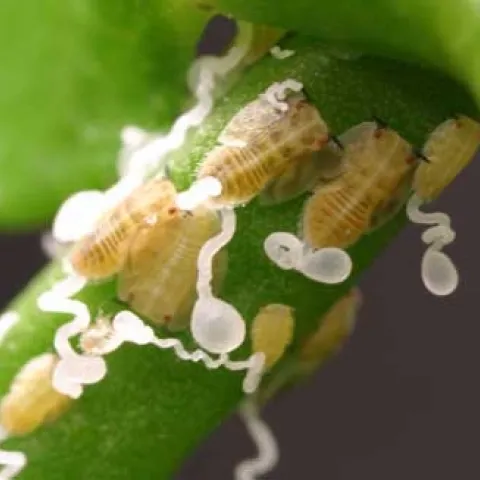
The bacterium that causes huanglongbing (HLB), Candidatus Liberibacter asiaticus (CLas), enters a citrus tree either through grafts or when the Asian citrus psyllid (ACP) feeds.