UC ANR is committed to providing an accessible and inclusive web experience for all users. If you encounter an accessibility barrier or need content in an alternative or remediated accessible format, please contact anraccessibility@ucanr.edu.
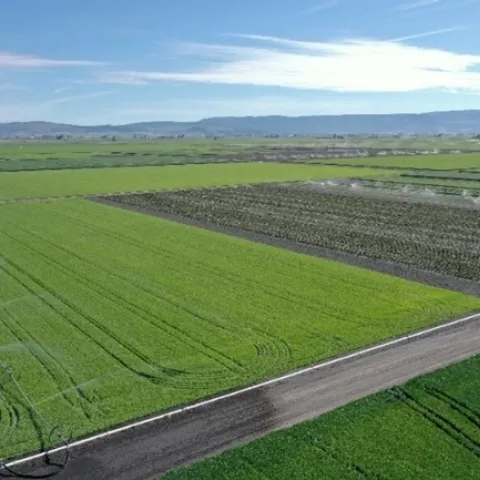
Good afternoon Growers! Just like you, the Intermountain UCCE researchers have had a busy year, despite the turmoil surrounding us. Now that field work is done, it's time to take a look at the results.
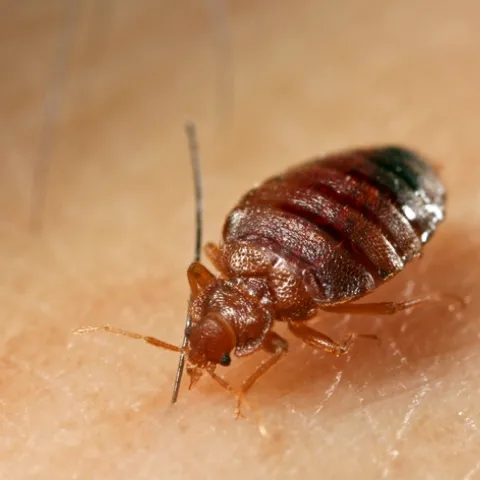
Bed bugs can hitch rides on secondhand furniture, luggage, backpacks and other personal items to invade homes and attack people. While we rest and sleep on sofas and beds, the insects come out to feed. They want to suck our blood.
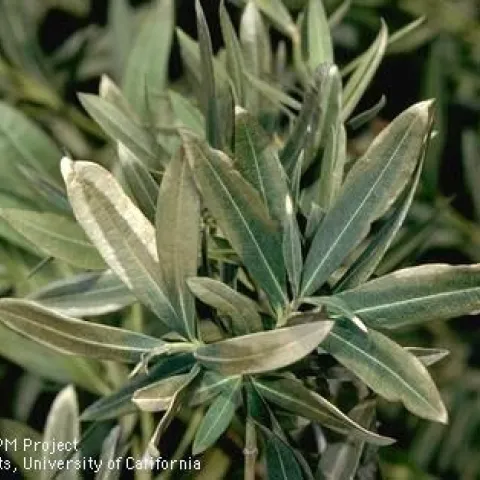
With the recent time change along with a change in temperatures, landscaping practices for pests need some adjusting too. We're sharing a few recommended tasks to help prevent insect pests, diseases, and environmental disorders in landscapes.
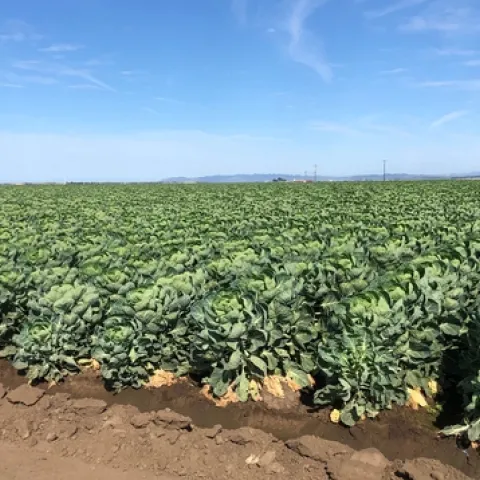
Brussels sprouts field in Santa Maria The diamondback moth, Plutella xylostella (Lepidoptera: Plutellidae) is an important pest of broccoli, Brussels sprouts, cabbage, cauliflower, collards, kale, and other cruciferous crops.
It's Veterans' Day and what better day than today to salute noted medical entomologist Robert Washino, 88, a U.S. Army veteran? When you say "Thank you for your service," that not only means his service in the Korean War, but his entire career in medical entomology. Dr.
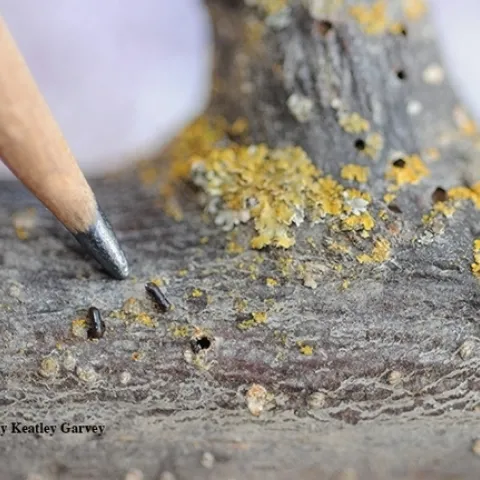
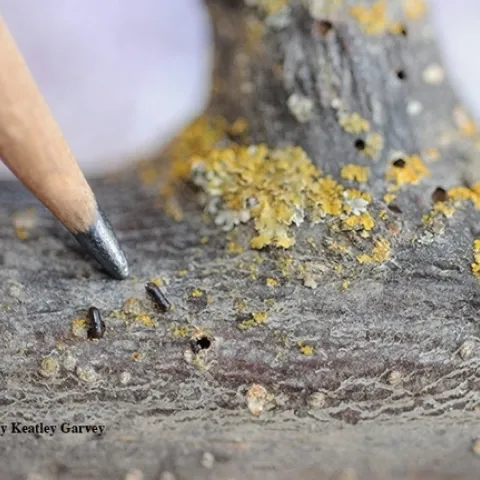
Two UC Davis forest entomologists who studied with the late chemical ecologist Steven Seybold, a faculty-research associate with the UC Davis Department of Entomology and Nematology, have published two complementary papers on the walnut twig beetle that shed more light on the invasive pest.
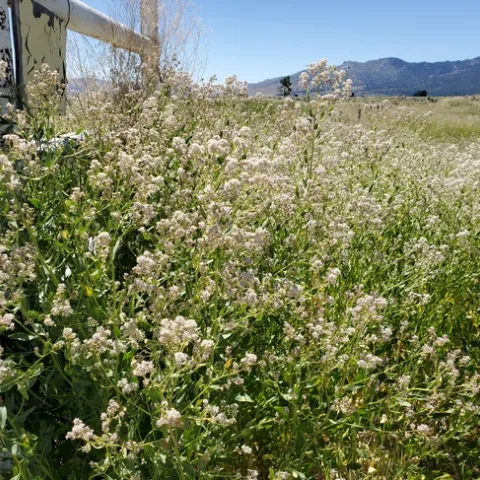
A few months ago Rob Wilson wrote an excellent blog highlighting perennial pepperweed patches he was seeing in the Klamath Basin. It is a terrible noxious weed, which is found throughout much of the state, from sea level up to 8,000 ft. in the Sierras.
Despite the tremendous need, there are currently no preemergence herbicides that are organic-compliant. Steam injected into the soil such that the soil temperatures reach >140F for 15-20 minutes will kill weed seed in the soil.
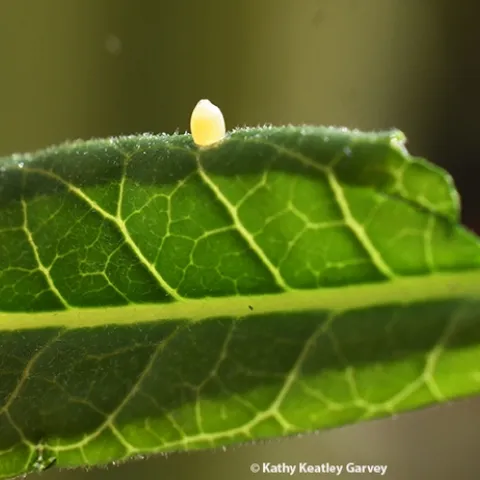
You never know about those photo-bombers. You can't trust 'em. So here I was, trying to photograph a tiny egg that a monarch butterfly had just deposited on our milkweed. I held it up for a better look.